Colorado high court tosses redistricting ballot measures

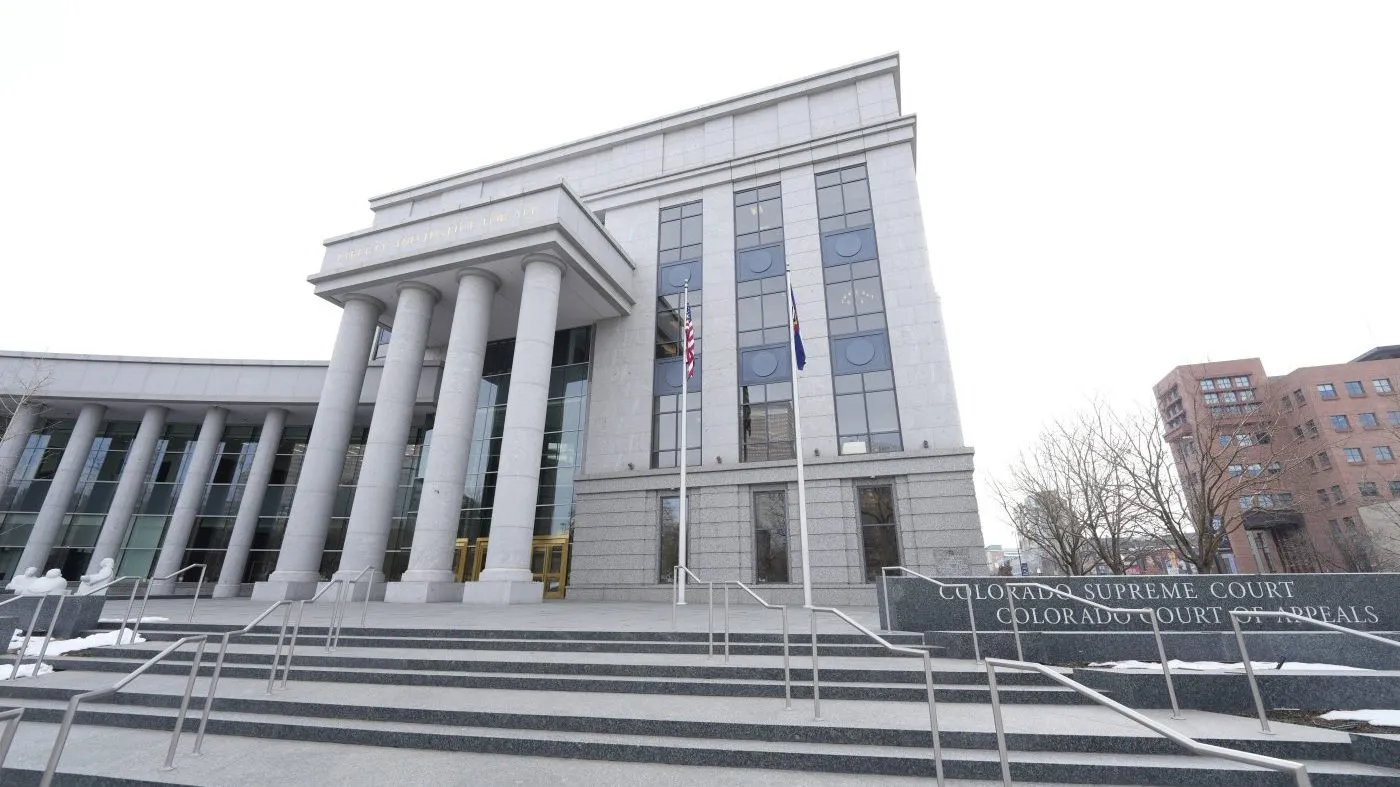
Colorado Supreme Court Dismisses Democratic Redistricting Initiatives
Provpnadvice.com – On Monday, the Colorado Supreme Court rejected two ballot measure cases that sought to reshape the state’s congressional districts in a way that would advantage Democratic candidates. The decision, which overturned the proposals, centered on a constitutional provision requiring ballot initiatives to address a single issue. This ruling marks a significant setback for efforts aimed at altering the redistricting process before the 2028 and 2030 election cycles.
Key Ruling: Violation of Single Subject Requirement
The court determined that the redistricting measure in question violated the state constitution’s “single subject” rule. This requirement stipulates that ballot initiatives submitted via petition must focus on one distinct topic. According to the ruling, the measures proposed by the Democratic-aligned group Coloradans for a Level Playing Field combined multiple issues, making them ineligible for inclusion on the ballot.
“We conclude that these are distinct and separate subjects,” stated Chief Justice Monica M. Márquez in one of the court’s opinions. She further explained, “Temporarily allowing mid-decade redistricting is not merely the means to implement or effectuate the Initiatives’ central purpose of adopting a specific new congressional district map for the 2028 and 2030 election cycles.”
The group had argued that their initiative was necessary to secure temporary congressional maps that could be used in the upcoming elections. However, the court found that the measure’s dual focus on mid-decade changes and the adoption of new maps constituted separate subjects, thereby invalidating the entire proposal.
Democratic Group’s Ballot Initiative Efforts
Coloradans for a Level Playing Field initially submitted four different versions of a ballot initiative for voters to consider in November. One of these proposals aimed to bypass the state’s independent redistricting commission, enabling the group to implement mid-decade changes and create new maps all at once. Two other initiatives would have split the effort into two phases, addressing redistricting and map adoption sequentially.
The court’s rejection of the two measures was based on the same constitutional rule that applies to all ballot initiatives. Justice Richard Gabriel, who authored the unanimous opinion, emphasized that the measures failed to meet the single-subject standard. “Accordingly, we conclude that Initiative #241, Initiative #242, and Initiative #328 all contain multiple subjects,” he wrote, “and, thus, the Title Board lacked jurisdiction to set titles for any of them.”
“To conclude otherwise and to allow initiative proponents to proceed with interlocking measures like those at issue here would allow proponents to achieve indirectly what they could not achieve directly,” Gabriel added. “This would endorse an end run around the single subject requirement. This we cannot do.”
The ruling underscores the challenge of consolidating multiple related issues into a single ballot measure. By rejecting the proposals, the court reinforced the constitutional requirement that each initiative must be narrowly focused, preventing lawmakers from leveraging overlapping objectives to gain an electoral edge.
Political Implications and National Context
The decision has broader implications for the political landscape, as the rejected measures would have given Democrats the opportunity to secure three additional seats in the U.S. House of Representatives. This potential gain is part of a larger strategy by both parties to maximize their electoral advantages. The initiative was initially sparked by Republican efforts in Texas, which led to a surge in similar proposals from Democrats in California and other states.
In Colorado, the push for redistricting reform has been a contentious issue. The state’s independent redistricting commission, which is designed to minimize partisan bias, faces criticism from both sides. Democrats argue that the commission’s maps favor Republicans, while Republicans claim the process is overly restrictive and benefits Democrats. The court’s rejection of the ballot measures highlights the legal hurdles in bypassing this commission, even with popular support.
Similar rulings have already been made in Virginia, where a court recently blocked Democrats’ attempt to alter the state’s congressional district boundaries. This parallel decision suggests a growing trend of judicial oversight in redistricting efforts, particularly when they are perceived as favoring one party over another. The Colorado case is now part of this national narrative, emphasizing the role of constitutional constraints in shaping electoral outcomes.
Impact on Electoral Strategy and Voter Engagement
While the court’s decision limits the immediate impact of the Democratic proposals, it also raises questions about the effectiveness of ballot initiatives in achieving redistricting goals. The group’s argument that mid-decade changes were essential to securing favorable maps was met with skepticism, as the justices viewed the two steps as fundamentally different.
Redistricting is a critical tool for influencing electoral results, and the rejection of these measures may affect the balance of power in Colorado’s congressional delegation. Democrats had hoped to secure more favorable boundaries for the 2028 and 2030 cycles, but without this initiative, the state’s independent commission will remain in charge of drawing the lines. This outcome could influence future campaigns and the way voters perceive the fairness of the electoral system.
Despite the setback, the group may still pursue alternative strategies to achieve their objectives. They could seek to amend the existing redistricting process or introduce new measures that better align with the single-subject requirement. The decision also serves as a reminder of the importance of legal precision in crafting ballot initiatives, as even minor deviations can lead to significant consequences.
As the 2022 and 2024 elections approach, the tension over redistricting continues to shape political discourse. The Colorado case illustrates how courts are playing an increasingly active role in mediating disputes between parties. With similar cases in Virginia and potential ones in other states, the legal battle over redistricting is far from over. The outcome in Colorado will likely influence the strategies of other groups seeking to reshape the electoral map, ensuring that the fight for fair representation remains a focal point in the lead-up to the next congressional elections.