Cassidy criticizes Hegseth after flu outbreak at Texas Air Force base

Cassidy Criticizes Hegseth Following Flu Outbreak at Texas Air Force Base
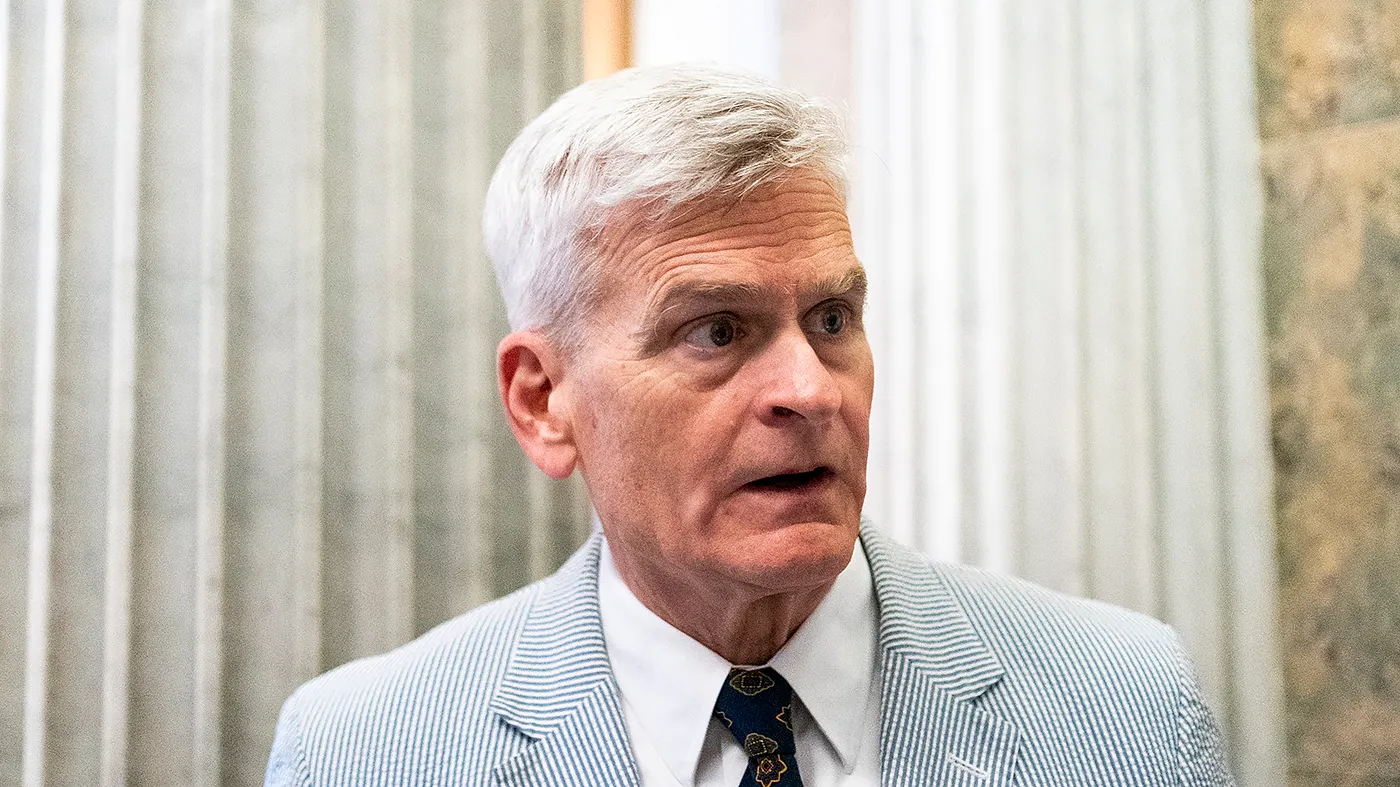
Provpnadvice.com – Senator Bill Cassidy (R-La.) has publicly criticized Defense Secretary Pete Hegseth after a significant influenza outbreak impacted multiple service members at an Air Force base in Texas. The incident, which has raised questions about the effectiveness of recent policy changes, has become a focal point in the ongoing debate over vaccine mandates in the military.
Medical Expertise Fuels Cassidy’s Concerns
As a licensed gastroenterologist and the first physician to chair the Senate Health, Education, Labor and Pensions (HELP) Committee, Cassidy used his medical background to underscore the importance of vaccines in public health. During an interview on “Face the Nation” with CBS News’ Margaret Brennan, he emphasized how the absence of mandatory flu vaccinations has led to visible consequences.
“We do see the consequences, though, of ignoring the benefits that things like vaccines bring for public health,” Cassidy said.
He further pointed out that the administration had been downplaying the role of immunization, stating, “If you will, I think what you’re going after is that this administration, parts of it, have tried to downplay the importance of immunization.”
Historical Context and Combat Readiness
Cassidy also invoked historical events to highlight the risks of lax vaccination policies. Referring to the 1918 influenza pandemic, he explained how the disease devastated military forces during World War I, particularly in Germany. “Combat readiness means preventing disease, and if you want to be combat-ready, you don’t want everybody out with the flu,” he noted.
The outbreak at Lackland Air Force Base, which has seen a sharp rise in cases, has sparked renewed discussion about the balance between individual rights and collective health. According to Representative Joaquin Castro’s (D-Texas) office, the number of flu cases at the base increased to 275 by Wednesday, compared to 160 the prior week. A single Air Force recruit passed away on June 16, though it remains unclear whether the death was directly tied to the outbreak. The incident is still under investigation.
Hegseth’s Argument for Medical Autonomy
Defense Secretary Pete Hegseth has defended the removal of the flu vaccine mandate, asserting that the change promotes medical autonomy and respects religious convictions. “Our new policy is simple,” Hegseth stated in a video message posted to social media. “If you, an American warrior entrusted to defend this nation, believe that the flu vaccine is in your best interest, then you’re free to take it. You should. But we will not force you. Because your body, your faith are not negotiable.”
He characterized the previous requirement as an “absurd” and “overreaching” mandate, arguing that it unnecessarily burdens military personnel. Hegseth claimed the policy, which was established in 1945, had been in place to align with public health directives. However, he believes the mandatory flu vaccine policy has become too rigid.
“The notion that a flu vaccine must be mandatory for every service member everywhere in every circumstance at all times is just overly broad and not rational,” Hegseth said. He added that service members had once been forced to choose between their conscience and their country, even when such choices did not jeopardize military readiness.
Broader Implications for U.S. Vaccination Policies
The controversy over the flu mandate has extended beyond the military, with Health and Human Services Secretary Robert F. Kennedy Jr. playing a central role. As an anti-vaccine activist, Kennedy has advocated for shifts in U.S. vaccination guidance, including the cancellation of flu vaccine campaigns during heightened flu seasons. Emails released by Senate HELP Committee ranking member Senator Bernie Sanders (I-Vt.) revealed that Kennedy had directed these changes, indicating a broader trend of skepticism toward vaccine mandates.
Cassidy’s critique ties into this national conversation. He argued that the administration’s approach to immunization reflects a pattern of prioritizing individual choice over public health, which could have far-reaching consequences. The debate now centers on whether mandatory vaccines are essential for maintaining readiness or if they infringe on personal freedoms.
Public Health vs. Personal Freedom
The conflict between public health measures and personal