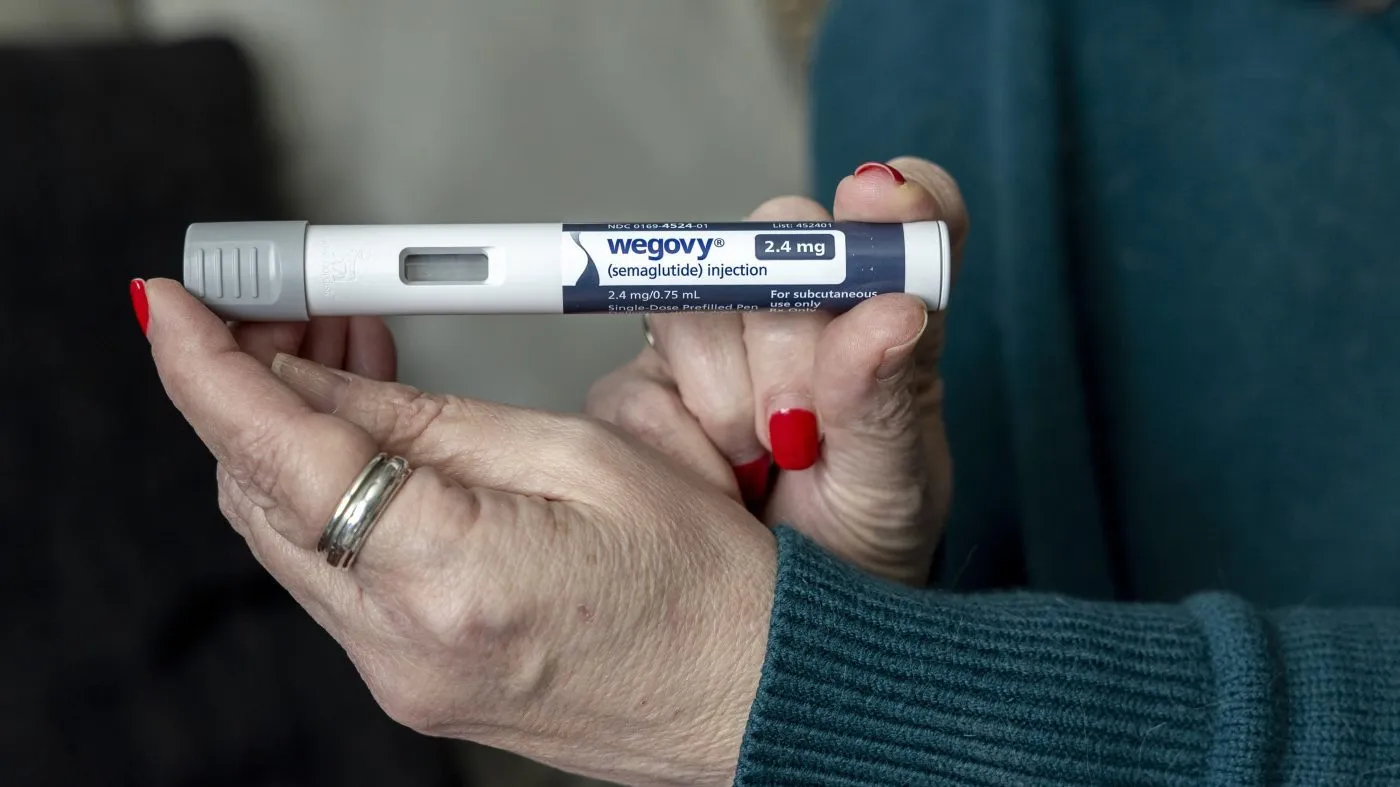
Oral GLP-1 pill delivers nearly 12 percent weight loss in 36 weeks, study finds

Oral GLP-1 Drug Aleniglipron Demonstrates Significant Weight Loss Potential in Long-Term Study
Provpnadvice.com – A recent clinical trial has revealed that individuals using the oral GLP-1 medication aleniglipron experienced notable weight reduction over an extended period. According to researchers, participants who adhered to the treatment regimen saw up to a 12 percent decrease in body weight after 36 weeks, marking a promising development in obesity management. This finding comes as part of a broader investigation into the efficacy of GLP-1 receptor agonists, a class of drugs known for their role in regulating glucose and appetite.
Key Mechanisms Behind Aleniglipron’s Weight-Loss Effects
The study, led by scientists at Northwestern University, identified several biological mechanisms that contribute to aleniglipron’s effectiveness. The drug was found to enhance insulin release, curb hunger signals, and prolong feelings of fullness, collectively supporting sustained weight loss. These effects align with the known properties of GLP-1 agonists, which work by mimicking the hormone glucagon-like peptide-1, often associated with metabolic health.
Dr. Robert Kushner, a co-author of the research and professor at Northwestern University, highlighted the unique features of aleniglipron. “What sets this drug apart is its classification as a small molecule,” he explained. “Unlike some injectable medications, it can be administered orally and is not restricted to specific meal times.” This characteristic makes it more convenient for patients, potentially improving adherence to long-term treatment plans.
“Most medications we take—whether aspirin or blood pressure drugs—are small molecules. Because of that, they can potentially be combined with other medications.”
Kushner’s insights underscore the drug’s versatility. Small molecules, he noted, are typically easier to produce and integrate into existing therapeutic regimens. This adaptability could allow aleniglipron to be paired with other treatments, offering a more personalized approach to weight management. However, the study emphasized the importance of dosage adjustments, as the participants’ intake was gradually increased every four weeks to optimize results.
Study Design and Participant Engagement
The research involved 230 adults diagnosed with overweight or obesity, recruited across 38 U.S. medical centers. Each participant was assigned to either receive aleniglipron or a placebo, with both groups undergoing a 36-week trial. The drug was administered once daily, with dosages escalating in a structured manner to assess its impact at different levels.
Throughout the trial, researchers monitored participants’ progress, tracking changes in weight and other metabolic markers. The results indicated that the drug’s effects were consistent over time, with the average weight loss from baseline remaining significant. This suggests that aleniglipron may offer a durable solution for individuals seeking long-term weight control.
Side Effects and Safety Profile
While the drug demonstrated effectiveness, gastrointestinal side effects were reported, though they were categorized as mild to moderate. Participants experienced these effects initially but saw a decline in severity as the trial progressed. This trend indicates that the body may adapt to the medication over time, reducing discomfort.
Kushner added that the study did not uncover any safety concerns or unexpected adverse reactions. “We didn’t find any concerns or new safety signals,” he stated. “The dose tested appears effective, and further adjustments will be made in phase III trials to improve tolerability.” These findings are critical for advancing the drug’s development, as they support its potential for widespread use.
“We found a dose that appears effective, and dose escalation will be slowed further in phase III trials to improve tolerability.”
Aleniglipron is currently in the development phase as an oral treatment for obesity. Although it has not yet received approval from the Food and Drug Administration, the study’s outcomes provide a strong foundation for future regulatory considerations. The Cleveland Clinic noted that the drug’s status remains under review, with additional trials planned to refine its application.
Comparative Insights From Earlier Research
Previous studies on aleniglipron have also shown encouraging results. A prior investigation by Structure Therapeutics reported a 16 percent weight loss in participants after 39 weeks, further reinforcing the drug’s potential. These findings suggest that aleniglipron may outperform some existing treatments, particularly when considering its oral administration and long-term efficacy.
Despite the positive results, the drug’s development is still in progress. Researchers are working to determine the optimal dosage and delivery method, as well as to address any remaining challenges in its safety profile. The phase III trials aim to expand on the current data, ensuring that the drug is both effective and well-tolerated for a broader patient population.
Experts in the field have expressed optimism about aleniglipron’s prospects. Its ability to deliver consistent weight loss without requiring injectable methods could revolutionize obesity treatment, making it more accessible to individuals who struggle with traditional therapies. As the research progresses, the hope is that aleniglipron will become a viable option for managing weight in a variety of clinical settings.
Overall, the study represents a significant step forward in the development of GLP-1-based therapies. By combining the benefits of a small-molecule design with measurable weight-loss outcomes, aleniglipron may offer a more convenient and effective solution for those battling obesity. Continued research and clinical trials will be essential in confirming its long-term benefits and ensuring its safe integration into standard care protocols.