Bought beef? You have just days to file a claim in $87.5 million settlement

Bought Beef? You Have Just Days to File a Claim in $87.5 Million Settlement
Provpnadvice.com – Consumers who purchased beef products across more than half the United States over a five-year span are facing a critical window to seek compensation. The final opportunity to submit a claim for a portion of an $87.5 million settlement tied to alleged anti-competitive practices among major beef processors is approaching rapidly. This legal resolution, spearheaded by a group of consumers, targets companies suspected of colluding to control market share and inflate prices. With only a few days remaining, individuals must act quickly to ensure their eligibility for refunds.
Antitrust Claims Against Beef Processors
The lawsuit, which was filed under antitrust laws, accuses several prominent beef processors of entering into a market allocation agreement. This arrangement reportedly allowed them to reduce competition and stabilize prices by coordinating the distribution of their products. Tyson Foods, Cargill, National Beef, and JBS are among the firms named in the suit. The agreement is said to have enabled these companies to increase their profit margins and pass on higher costs to consumers, leading to a significant rise in beef prices.
“Through this agreement, the beef processors were able to increase their margins and increase the price consumers paid for beef,” a statement from the U.S. District Court for the District of Minnesota clarified.
The legal action centers on the alleged collusive behavior that suppressed competition in the beef market. While the companies involved have not formally admitted guilt, the settlements they’ve agreed to are meant to resolve the claims without further litigation. The combined total of $87.5 million from Tyson Foods and Cargill will be distributed to consumers who bought beef products during the specified period, providing financial relief for overpriced purchases.
Eligibility Criteria for Claimants
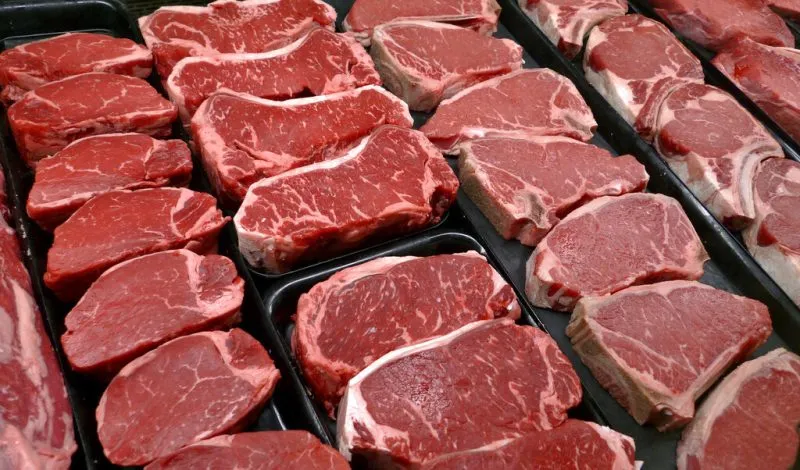
To qualify for compensation, individuals must have purchased beef for personal use between August 1, 2014, and December 31, 2019. The products in question include more than 280 types of beef, ranging from fresh primal cuts like chuck, loin, and rib to frozen options such as round steaks and roasts. Eligible items were sold in grocery stores or supermarkets, not directly from the processors themselves.
Claims are limited to purchases made in specific states and the District of Columbia. These include Arizona, California, Florida, Illinois, Iowa, Kansas, Massachusetts, Maine, Michigan, Minnesota, Missouri, Montana, Nebraska, Nevada, New Hampshire, New Mexico, New York, North Carolina, North Dakota, Oregon, Rhode Island, South Dakota, Tennessee, Utah, West Virginia, and Wisconsin. The geographic scope of the settlement ensures that consumers in these regions are directly affected by the alleged price manipulation.
Consumers are encouraged to visit the official website, OverchargedForBeef.com, for a comprehensive list of qualifying products. This resource provides detailed information on the types of beef covered under the settlement, including specific cuts and packaging formats. However, certain products are excluded, such as those marketed as specialty items or sold through direct-to-consumer channels. These exceptions help narrow the focus to the broader market segment impacted by the processors’ agreements.
Claim Submission Process and Options
The deadline to file a claim is fast approaching, with submissions due by Tuesday, June 30. Claimants can choose to submit their forms online or via postal mail. The online platform requires personal details such as name, address, email, and phone number. It also asks for information about the quantity and frequency of beef purchases, including monthly spending amounts. This data is used to determine the share of the settlement each consumer will receive.
Once a claim is filed, participants will be given the option to select their preferred payment method. They can request a direct cash payment, which will be distributed proportionally based on the volume of eligible beef purchased, or choose a digital gift card for platforms like Amazon, Instacart, or Starbucks. Alternatively, some may opt for electronic transfers via services such as PayPal or Venmo. This flexibility aims to accommodate diverse preferences while ensuring equitable distribution of funds.
The settlement process is still pending final approval from a judge. Until that occurs, cash payments will not be made to claimants. Officials have noted that any objections to the settlements could delay the release of funds. This means that consumers who wish to challenge the terms of the agreement have until March 30, 2026, to submit their written objections. The ruling on these objections will ultimately determine the fate of the compensation plan.
Impact of the Settlement
The $87.5 million settlement represents a significant step toward addressing consumer concerns about price increases linked to the processors’ alleged collusive practices. By participating in the claim process, individuals can recover a portion of the overcharged amounts, providing tangible relief for their expenses. The agreement also serves as a precedent for similar antitrust cases, highlighting the potential consequences of market manipulation in the food industry.
For those who choose to accept the settlement, it offers a streamlined resolution to their grievances. However, the decision to file a claim or object to the terms is critical. The prorated payments ensure that larger buyers receive a greater share, while smaller consumers are also compensated fairly. This structure reflects the court’s effort to balance the interests of all parties involved in the case.
Experts suggest that the settlement could have broader implications for the beef industry. It may encourage further investigations into pricing strategies and market dynamics among major food processors. The collaboration between consumers and regulatory bodies underscores the importance of holding corporations accountable for unfair practices. As the deadline for claims approaches, the focus remains on ensuring that affected individuals are informed and prepared to take action.
Final Steps for Consumers
Consumers are advised to review the settlement details carefully before proceeding with their claims. The inclusion of over 280 beef products means that a wide range of items may be eligible for compensation. However, it’s essential to verify that the specific product purchased falls within the defined categories. The exclusion of specialty cuts emphasizes the need for clear guidelines in determining which items are affected.
The settlement process also highlights the role of class action lawsuits in addressing widespread consumer harm. By pooling resources and legal expertise, a group of individuals can challenge large corporations effectively. This case demonstrates how such lawsuits can lead to substantial financial settlements, offering hope to those who have been impacted by pricing strategies. As the clock ticks down, the focus is on ensuring that all eligible consumers have the opportunity to seek justice.
In summary, the $87.5 million settlement represents a collaborative effort to hold beef processors accountable for their alleged actions. With a limited time frame for claim submissions, consumers must act swiftly to secure their share of the compensation. The resolution of this case not only provides financial relief but also sets a precedent for future antitrust actions in the food industry. Whether through cash payments or digital gift cards, the goal remains to return value to those who were overcharged for beef products over the past five years.