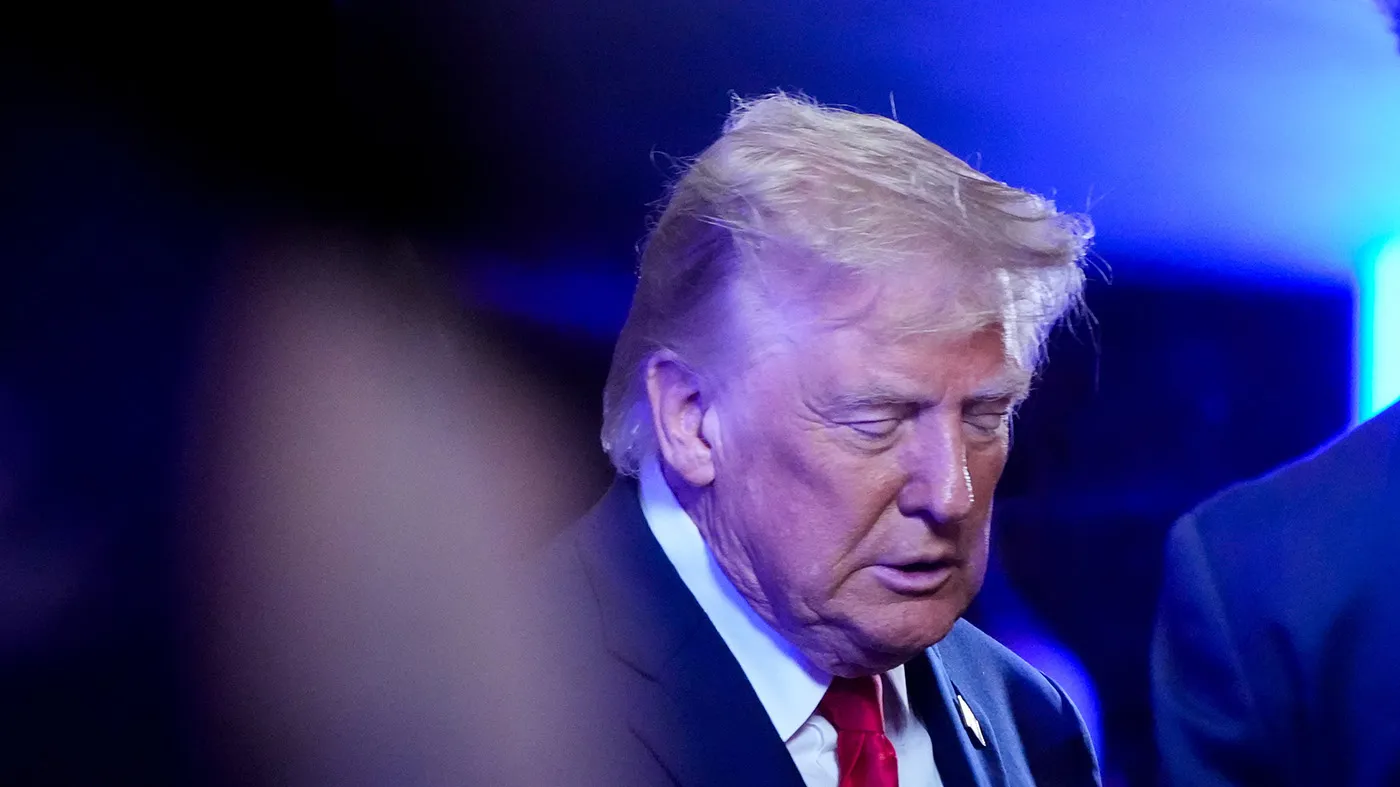
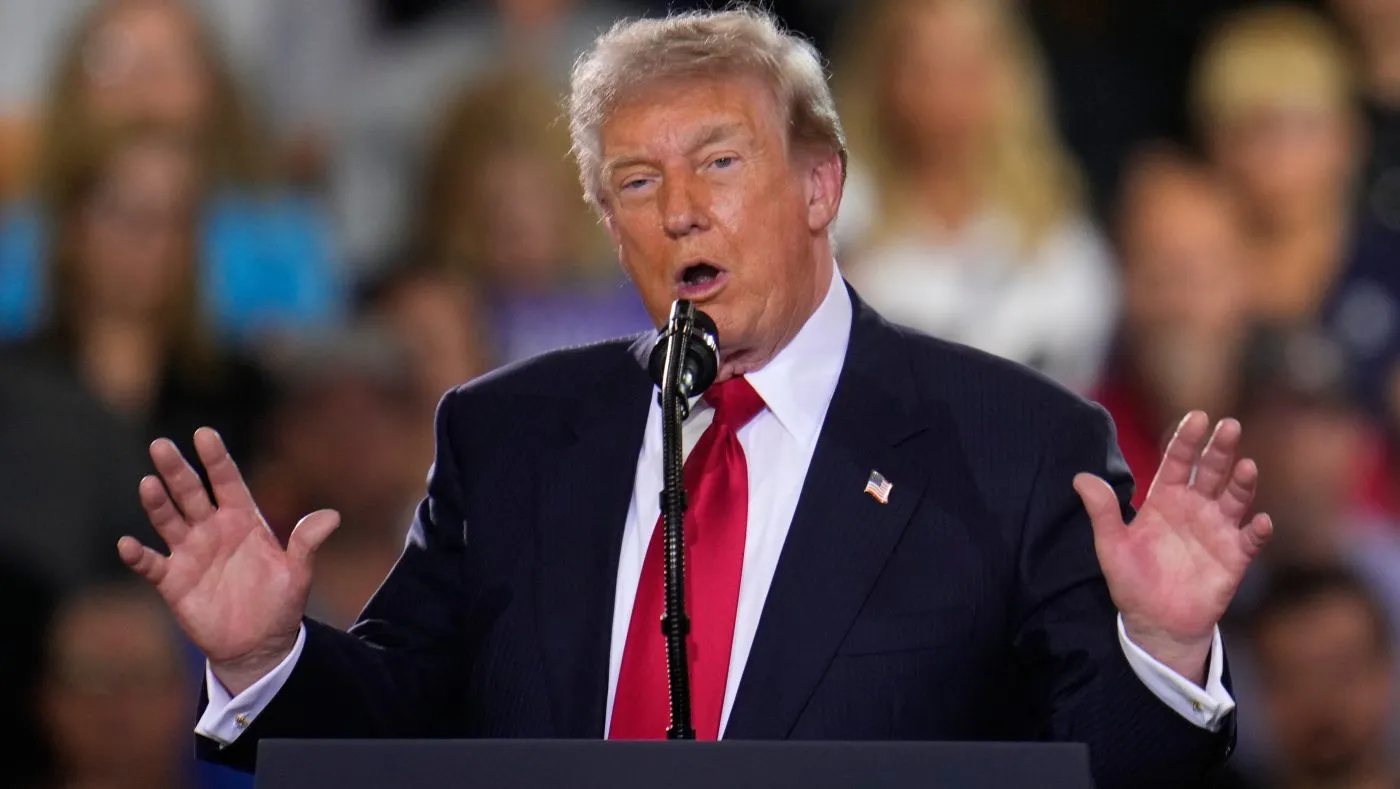
Secret Service didn’t secure mobile devices, putting leaders at risk, report says

Secret Service Lacks Mobile Device Security, Exposing Leaders to Risks
Provpnadvice.com – The Secret Service’s failure to secure mobile devices has left high-profile leaders vulnerable to cyber threats, according to a recent report. Following the attempted assassination of President Trump in Butler, Pennsylvania, the Office of Inspector General (OIG) revealed significant gaps in the agency’s communication protocols. Agents were often forced to use personal phones for official tasks due to shortcomings in the government-issued equipment, creating a security risk that could have been mitigated with proper safeguards.
Despite its role in protecting national leaders, the Secret Service’s reliance on unsecured personal devices highlights a critical oversight in its operational standards. The OIG’s investigation found that the agency’s internal processes for assessing and securing mobile technology were incomplete, leaving agents to rely on devices that lacked essential security features. This practice, though common, exposed sensitive information to potential interception by adversaries, raising concerns about the agency’s preparedness for modern threats.
Communication Protocols Under Scrutiny After Butler Shooting
The OIG report was prompted by a broader review of the Butler shooting, where agents used personal phones to coordinate with local law enforcement. The report cited a whistleblower complaint detailing how mission-critical tasks, such as intelligence sharing and suspect tracking, were carried out via unsecured devices. This deviation from standard procedures underscores the need for updated protocols that align with contemporary security requirements.
According to the findings, the Secret Service’s failure to secure these devices meant adversaries could exploit vulnerabilities in the technology to access confidential data. This risk is especially pronounced when unsecured equipment is used abroad, where the threat environment is more complex and less predictable. The report emphasizes that such lapses could jeopardize not only operations but also the safety of those under protection.
Operational Pressures Lead to Compromised Security
Agents reported using personal devices when government-issued phones could not meet immediate operational needs, such as processing images or transmitting data quickly. One case involved an agent receiving a photo from a local officer to identify a suspect, a task that required faster processing than the official devices could provide. This scenario illustrates the tension between security measures and the practical demands of field operations.
The report also highlights how the Secret Service’s security policies are inconsistently applied. While the agency prohibits the use of personal devices for official work, agents often resort to them during urgent situations. This inconsistency, combined with outdated software and unmanaged devices, creates a scenario where even routine communications could be intercepted or compromised.
“The Secret Service’s process for identifying and implementing mobile device capabilities did not always fully address employees’ operational needs, leaving them without essential features such as secure data transmission,” the report noted. This lack of preparedness increases the risk of cyber intrusions during critical missions.
Broader Implications for Government Security
The findings suggest that the Secret Service’s approach to mobile device security is not unique to its operations. The OIG report points out that the agency’s reliance on personal devices violates public records laws, which require the preservation of all government communications. By using unsecured equipment, the Secret Service may have inadvertently created gaps in data documentation and protection, raising questions about transparency and accountability.
Furthermore, the report highlights the potential consequences of unsecured devices in high-risk scenarios. If a personal phone is compromised, adversaries could gain access to sensitive information about protectees, their schedules, or intelligence operations. This risk underscores the importance of integrating robust security measures into mobile communication systems, especially for agencies responsible for national security.