Megyn Kelly after Supreme Court TPS decision: ‘Go back to f—ing Haiti’


Megyn Kelly after Supreme Court TPS decision: ‘Go back to f—ing Haiti’
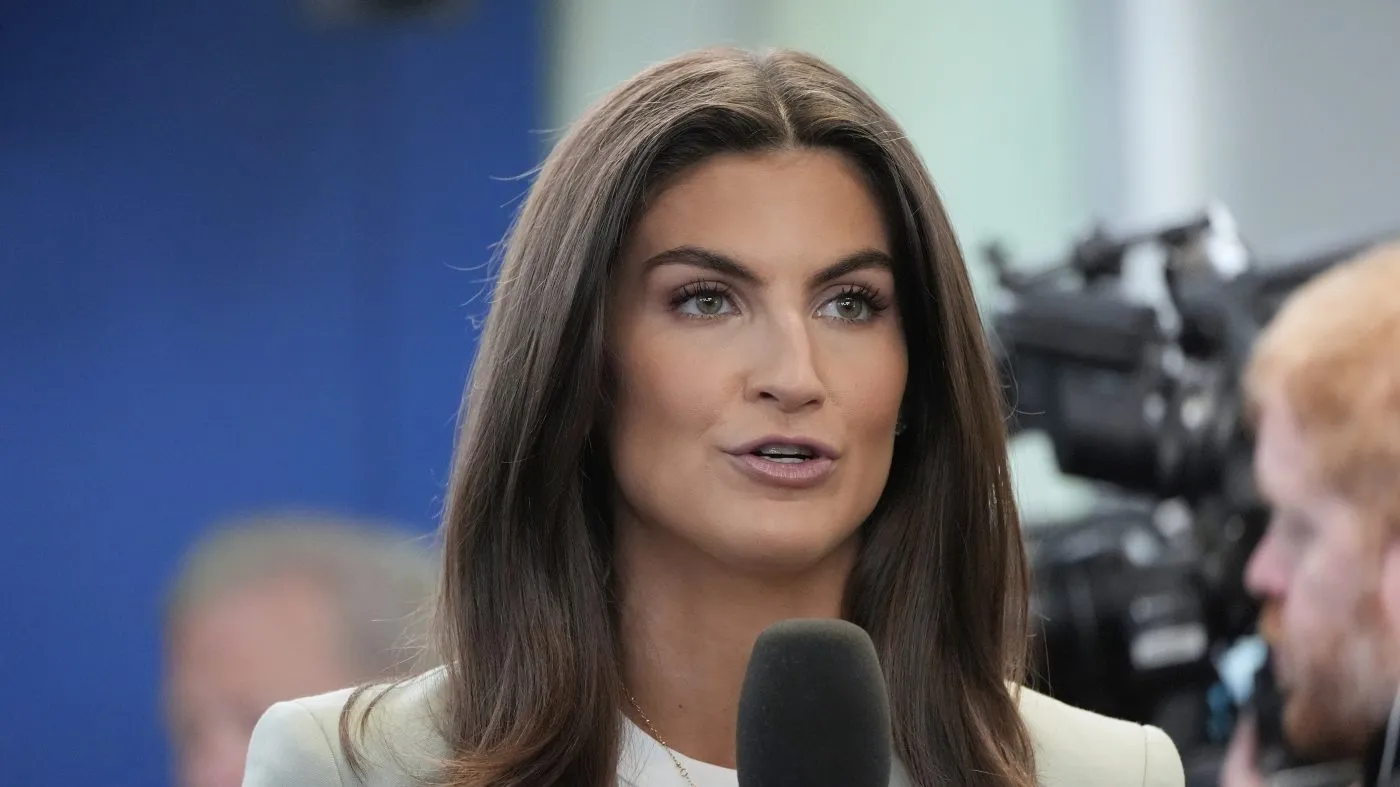
Provpnadvice.com – The U.S. Supreme Court’s recent ruling has sparked heated debate over immigration policies, with former Fox News anchor Megyn Kelly taking a particularly sharp stance. Speaking on her SiriusXM show, Kelly directly addressed the thousands of Haitians and Syrians who have been granted temporary legal protection from deportation under the Temporary Protected Service (TPS) program. Her remarks, which emphasized a strong sense of national identity and cultural pride, drew widespread attention and mixed reactions from the public and political figures alike.
The Legal Shift in TPS Policy
The Supreme Court’s decision this week allows the Trump administration to terminate TPS protections for Haitians and Syrians, marking a pivotal moment in the ongoing immigration policy discussions. TPS, a humanitarian relief program, permits citizens from countries experiencing crises such as war, natural disasters, or political instability to remain in the U.S. temporarily. These individuals are granted work authorization and protection from deportation, providing them with a pathway to stability during uncertain times in their home nations.
According to the Congressional Research Service, as of March 2025, 330,735 Haitians and 6,100 Syrians have benefited from TPS. The policy was initially implemented to address the aftermath of the 2010 earthquake in Haiti and the ongoing conflict in Syria. However, the administration’s push to end these protections has raised concerns about the future of these communities and their ability to rebuild their lives in the U.S.
White House Support for the Decision
The White House swiftly endorsed the ruling, framing it as a major victory for the Trump administration. In a statement to The Hill, White House spokesperson Abigail Jackson highlighted the decision’s alignment with the president’s long-standing position on TPS. “Today, the Supreme Court affirmed what President Trump has always maintained: temporary protected status is, by definition, temporary,” Jackson said, emphasizing the administration’s belief in the program’s intended purpose and its potential for change.
This ruling opens the door for the Trump administration to proceed with its plan to revoke TPS from 13 of the 17 countries currently on the list. The potential consequences are significant, with over a million people at risk of deportation. The policy shift has been met with criticism from some lawmakers, who argue that it could disrupt families and communities that have relied on these protections for years.
Megyn Kelly’s Strong Stance
“Go home. Get out. We know our country’s better than yours,” Kelly said during her Thursday show. “That’s because we filled it with our work ethic and our culture and our values. You being here only dilutes it for us, those who built it and live it.”
Kelly’s remarks were met with both support and backlash. While some viewed her comments as a reflection of the administration’s broader priorities, others criticized them as overly harsh and potentially xenophobic. Her statement underscored the emotional and ideological divide surrounding the issue, with some Americans expressing pride in their national identity and others feeling that immigrants are taking resources or opportunities from native-born citizens.
Historically, TPS has been a tool for temporary relief in times of crisis, but the decision to terminate it for Haiti and Syria has been framed as a permanent shift. The administration’s rationale is based on the idea that these protections should not be extended indefinitely, particularly for countries that have not fully recovered from their challenges. Critics, however, argue that the process for ending TPS is too abrupt and lacks sufficient consideration for the individuals affected.
Political Reactions and Concerns
Democratic Rep. Ayanna Pressley (Mass.) was among those who condemned the ruling, calling it “cruel and lawless” during a press conference outside the Supreme Court. She highlighted the human toll of the decision, emphasizing how it could uproot families and disrupt the livelihoods of those who have contributed to American society. “This is a moment that shows the deep divide in our country,” Pressley said, urging lawmakers to reconsider the implications of the policy change.
Meanwhile, some Republicans have joined Democrats in voicing concerns about the administration’s approach. Rep. Mike Lawler (R-N.Y.) warned that the move could “create a crisis” for vulnerable populations, while Ohio Gov. Mike DeWine (R) stressed that the decision could lead to the deportation of over 10,000 Haitians currently residing in the state. “Today’s decision is a legal decision,” DeWine said, “but as I have stated in the past, the policy to remove these individuals from this country is a mistake.”
The State Department’s designation of Haiti and Syria as “Level 4” travel advisories further supports the administration’s argument for ending TPS. These warnings, which advise Americans to avoid travel to the countries due to unrest and crime, align with the broader narrative that the populations in these nations are not yet stable enough to justify continued immigration protections. However, advocates for the TPS beneficiaries argue that the policy is essential for those who have no other options for safety or employment.
Broader Implications of the Ruling
The ruling is part of a larger trend in the Trump administration’s immigration strategy, which has focused on reducing the number of people granted legal status through temporary programs. While the decision to end TPS for Haiti and Syria may seem isolated, it reflects a pattern of policies aimed at tightening borders and prioritizing permanent residency over temporary relief. This approach has sparked debates about the balance between national security and humanitarian obligations.
For Haitian and Syrian communities in the U.S., the decision brings uncertainty about their future. Many have built lives here, working, raising families, and integrating into society. The potential for mass deportation has led to fears of displacement and economic instability. Advocacy groups have called for immediate action to prevent the loss of these protections, arguing that the policy change could have long-term consequences for both the individuals affected and the broader American community.
As the debate continues, the ruling serves as a reminder of the political and emotional stakes involved in immigration decisions. While the Supreme Court’s decision is a legal milestone, its impact on human lives and social dynamics remains a central point of contention. The voices of those directly affected, like Kelly’s, will continue to shape the conversation around TPS and its role in U.S. immigration policy.