Why drawing down the Strategic Petroleum Reserve is a smart business decision

Why Drawing Down the Strategic Petroleum Reserve Is a Smart Business Decision
Provpnadvice.com – The Middle East conflict has driven oil prices to historic highs over the past few months. In early February, crude oil was priced around $60 per barrel, but by April, it surged to $113 per barrel before stabilizing just below $80. This price fluctuation has had a noticeable effect on consumers, with gasoline costs climbing above $5 per gallon in certain regions. It has also contributed to broader inflation, reaching its highest point since April 2023.
Recent decisions by the administration to release 172 million barrels from the Strategic Petroleum Reserve have sparked debate. While the move was framed as a way to ease consumer burden, deeper analysis reveals it as a calculated economic strategy. The action aligns with the reserve’s dual purpose of stabilizing markets and supporting domestic energy security, with minimal risk of long-term consequences.
A Legacy of Energy Security
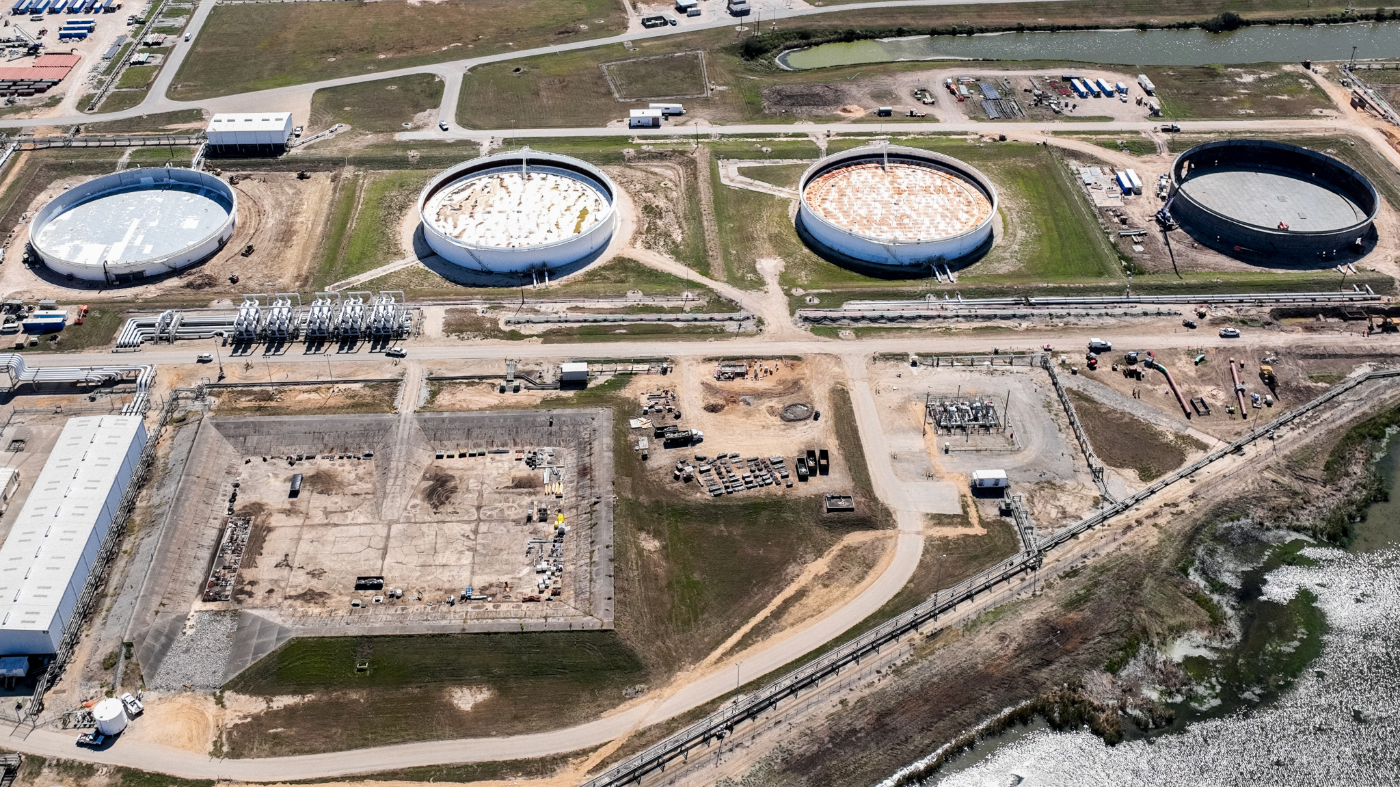
Established in 1975 following the 1973-1974 oil embargo, the Strategic Petroleum Reserve was designed to mitigate short-term supply shocks. Congress set its capacity at 714 million barrels, a figure that has been slightly reduced over time. The reserve’s peak capacity of 727 million barrels was recorded in December 2009, but by 2025, its stock had dwindled to 413 million barrels. As of June 12, it stood at 340 million barrels, marking the lowest level in over four decades.
Despite its reduced size, the SPR remains a critical asset. The United States consumes over 20.6 million barrels of oil daily in 2025, the highest rate since 2007. To meet this demand, the nation has become the world’s largest crude oil producer. However, domestic refineries are optimized for specific types of oil, such as heavy crude, requiring a balance between imports and exports. Canada and Mexico supply the majority of foreign oil, while Asia, Europe, and Central/South America are primary markets for U.S. production.
Strategic Implications of the Strait of Hormuz Crisis
The disruption of oil tankers through the Strait of Hormuz has highlighted the reserve’s relevance in global markets. Although the strait’s closure initially limited domestic supply, its impact on international trade was more significant. Prices spiked sharply, influencing both local and global economies. Oil companies capitalized on this volatility, with domestic gasoline prices rising as a direct result of the increased demand and supply constraints.
Releasing oil from the SPR became a pragmatic solution to address this crisis. However, its purpose extends beyond immediate relief. The majority of the reserve holds light crude, which is less suitable for U.S. refineries. By selling this oil, the government enabled exporters to profit from the higher market rates. To facilitate this, a trade agreement was arranged with producers, allowing them to return 1.25 barrels for every one sold from the reserve. This arrangement ensured a financial benefit for the government while maintaining a strategic buffer.
Historical Context and Modern Relevance
The U.S. energy landscape has evolved dramatically since the 1973-1974 oil crisis. Back then, the nation produced just over 9.2 million barrels per day. Today, production exceeds 13.6 million barrels daily, a nearly 50% increase. Consumption, meanwhile, has grown by more than 30% over the same period, underscoring the need for adaptable supply strategies.
The SPR’s role in this transformation is clear. With 46 billion barrels of proved reserves in the U.S. as of the end of 2024, the reserve acts as a safeguard against prolonged supply disruptions. While these reserves are not immediately accessible and vary in type, their presence ensures stability during crises. Even at its current level, the reserve can cover approximately five weeks of daily consumption if production were to cease entirely—a scenario deemed highly unlikely.
Business Acumen in Energy Policy
Experts argue that the SPR’s release was not merely an act of goodwill but a shrewd business move. The decision to draw down reserves during periods of elevated prices allows the government to offset costs without direct taxpayer expense. By selling oil at a premium, the U.S. can replenish the reserve later when prices are lower, creating a win-win scenario for both producers and consumers.
The plan to rebuild the reserve over the next year includes an additional 40 million barrels, ensuring that the SPR remains a viable tool for future stability. This approach leverages market dynamics to achieve economic efficiency while supporting long-term energy security. The strategy reflects a modern understanding of how oil markets operate, balancing immediate needs with future preparedness.
Expert Insight on Strategic Decision-Making
Sheldon H. Jacobson, Ph.D., a professor of Computer Science at the University of Illinois Urbana-Champaign, emphasizes the value of data-driven risk assessments in shaping energy policy. His research underscores the importance of strategic reserves in navigating volatile global markets, offering a framework for evaluating decisions based on both immediate and long-term outcomes.
The SPR’s continued existence is a testament to its strategic value. Even as the U.S. becomes more energy-independent, the reserve serves as a hedge against unforeseen disruptions. The recent release demonstrates a nuanced approach to energy management—one that recognizes the interconnectedness of domestic needs and global market forces. By acting proactively, the administration has reinforced the reserve’s role as a critical component of national economic resilience.