
Transportation Secretary Sean Duffy returns to reality TV roots, sparking criticism and questions
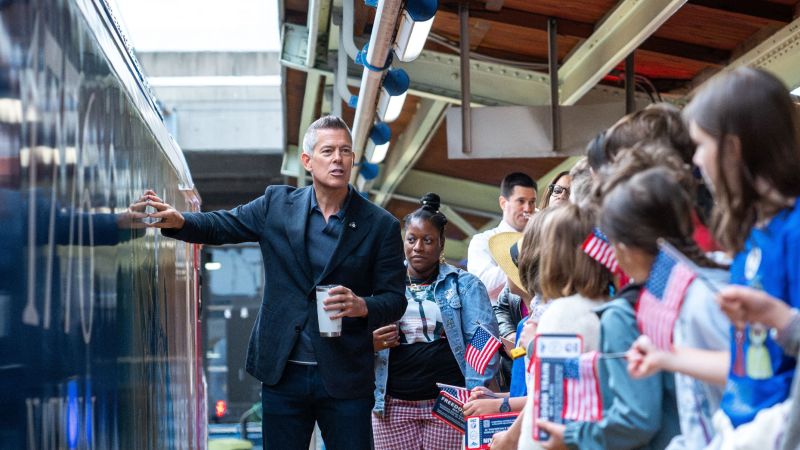
Transportation Secretary Sean Duffy Returns to Reality TV, Sparks Debate
Transportation Secretary Sean Duffy returns to reality TV with his new show, *The Great American Road Trip*, which has sparked both interest and controversy. Filmed over seven months with his family, the series debuts on YouTube, showcasing the Duffys’ cross-country journey as the U.S. prepares to celebrate its 250th anniversary. Critics, however, have questioned the timing, noting that rising gas prices and economic pressures have made such ventures seem out of touch with everyday challenges.
A Nonprofit Funded by Industry Partners
Duffy’s return to television is backed by a nonprofit organization, Great American Road Trip Inc., which he claims did not rely on public funds. “Zero taxpayer dollars were spent on my family,” he stated, emphasizing that his spouse, Rachel Campos-Duffy, and their nine children were not paid for their appearances. The show’s corporate sponsors, including Boeing, Shell, Toyota, United Airlines, and Royal Caribbean, all have ties to the Department of Transportation, raising questions about potential conflicts of interest.
According to Donald K. Sherman of Citizens for Responsibility and Ethics in Washington, the timing of the show’s release appears suspicious. “As everyday Americans struggle with fuel costs and airline safety concerns, the Secretary promotes a road trip funded by industries his agency regulates,” he noted. This critique highlights the perception that Duffy’s personal project might subtly support corporate interests at the expense of public priorities.
Reconnecting with a Past in Entertainment
Duffy’s venture is not his first foray into media. The couple, who previously worked together on MTV’s *Road Rules: All Stars*, has a history in television. The trailer for *The Great American Road Trip* features Duffy reflecting on the American spirit, declaring, “To love America is to see America.” It blends scenic landscapes with urban landmarks, aiming to capture the nation’s cultural diversity.
The show’s production spanned seven months, with filming conducted in segments across key locations. These include the Rocky Steps in Philadelphia, Montana’s snowmobiling trails, and the *Real World: Boston* house, where Duffy first gained visibility. A ceremonial launch in the Oval Office, attended by former President Donald Trump, who joked about the “little trip all over,” added a political dimension to the project.
Public Reaction and Economic Context
Reactions to the show have been mixed, with some viewing it as a nostalgic break from policy work and others criticizing its relevance. With gas prices climbing to $4.55 per gallon, many Americans are struggling to afford travel. “Regular families can’t afford road trips anymore,” said Pete Buttigieg, a former transportation secretary, implying that Duffy’s focus on leisure might overshadow pressing economic concerns.
Buttigieg’s comments were echoed by his wife, Chasten Glezman Buttigieg, who called the show “unserious.” They argued that the Duffys are using their government roles to advance a private initiative, even as the nation faces financial strain. In response, Campos-Duffy reiterated the nonprofit’s independence, stating, “No one in my family—my husband included—was paid to do this.”
Collaboration and Industry Influence
Great American Road Trip Inc. describes itself as an independent 501(c)(4) nonprofit, partnering with the Department of Transportation to promote national unity. The organization’s website claims it “fully funds its own efforts to celebrate America’s story,” with sponsors ranging from energy companies to tourism boards. While this collaboration is framed as a partnership, critics argue it blurs the line between public service and corporate promotion.
Despite the backlash, a Department of Transportation spokesperson highlighted Duffy’s achievements in vehicle affordability and the administration’s energy dominance goals. The statement suggests that the show is part of a broader effort to connect with the public, even as its timing and funding raise eyebrows. As the series airs, the debate over its purpose and impact will likely continue.
