
Hantavirus-hit cruise ship arrives in Tenerife, passengers expected to return home
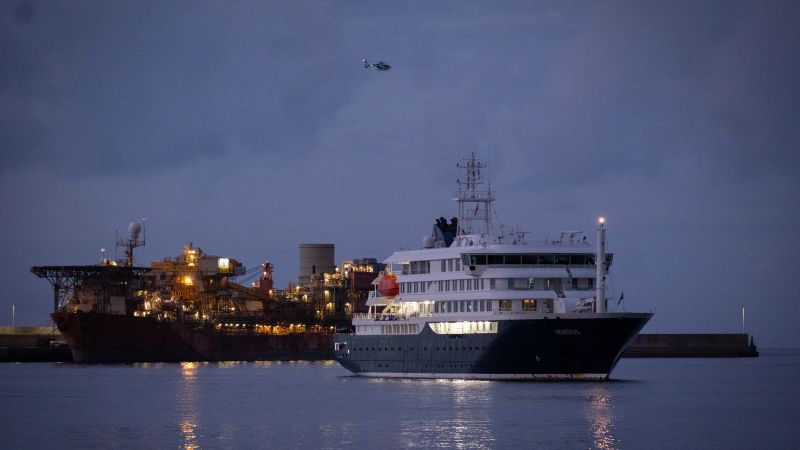
Hantavirus-Affected Cruise Ship Arrives in Tenerife, Passengers Begin Repatriation
Hantavirus hit cruise ship arrives in Tenerife – The MV Hondius, a cruise ship impacted by a hantavirus outbreak, has reached the Spanish island of Tenerife, marking a pivotal moment in the international effort to transport its 147 passengers home. Health authorities have initiated a phased evacuation process, with the ship anchoring at the Port of Granadilla to ensure safety protocols are followed. The operation commenced at dawn, as medical personnel in protective gear and officials in WHO uniforms prepared to assist the disembarkation. This coordinated effort aims to minimize the risk of transmission while efficiently returning passengers to their countries of origin.
Evacuation Process and Health Protocols
Oceanwide Expeditions, the tour operator overseeing the mission, confirmed the vessel will maintain a safe distance from the dock to limit exposure. Passengers are being ferried ashore in small groups, with the initial wave consisting of 14 Spanish nationals. These individuals will undergo PCR testing at a military hospital and remain in isolation for a week, followed by a second test to confirm their status. The move underscores the strict measures being taken to contain the virus, which spreads primarily through rodent contact, as authorities work to prevent community spread.
“Passengers’ luggage will remain on board until final retrieval, allowing for seamless coordination with arriving repatriation flights,” the operator stated, highlighting the streamlined logistics designed to protect public health. This approach ensures that each group is processed according to their country’s requirements, with Spain’s health minister emphasizing the importance of clear communication and vigilance in the Canary Islands.
Global Response and Passenger Destinations
Several nations, including the U.S., Germany, France, Belgium, Ireland, and the Netherlands, have mobilized resources to transport their citizens from the ship. The CDC noted that 17 American passengers, currently asymptomatic, will be sent to the University of Nebraska Medical Center for evaluation. After a brief assessment, they will return to their home countries under continuous monitoring, with daily follow-ups scheduled for 42 days. This international collaboration reflects the gravity of the situation and the need for a unified response to the outbreak.
The hantavirus, which has a high fatality rate in severe cases, has become a focal point for health officials. While the WHO initially deemed the outbreak a low public health threat, the cruise ship’s situation has intensified scrutiny. The virus’s spread aboard the vessel has raised questions about containment, prompting stricter guidelines as authorities navigate the challenges of repatriating passengers while safeguarding global health.
Despite the logistical challenges, the evacuation is progressing methodically. Spain’s health ministry prioritized its nationals, with logistics teams ensuring smooth transitions for other groups. The ship’s crew, who have been in quarantine, will disembark in Rotterdam after a thorough disinfection process. This step aims to eliminate any residual viral presence, reinforcing efforts to control the outbreak and prevent further spread across borders.
Local Reactions and Public Safety Concerns
The arrival of the hantavirus-affected cruise ship has sparked debate in the Canary Islands, where local leaders and port workers have expressed concerns about the risks to public safety. Fernando Clavijo, a regional representative, voiced early opposition, stressing the need for transparency in handling the crisis. Meanwhile, port workers have organized demonstrations, highlighting their frustrations with the lack of detailed risk assessments. These reactions underscore the delicate balance between public health measures and community trust in the face of the outbreak.
Spain’s health ministry has reiterated its commitment to containment, with the first group of passengers receiving individualized care in a military hospital. The process for the remaining passengers will be nationality-based, ensuring each group is managed according to their home country’s protocols. As the MV Hondius prepares for its final departure, the focus remains on preventing the hantavirus from spreading further and ensuring all individuals are safely returned to their respective communities for continued monitoring and care.
