Treasury Department issues temporary license for Iranian oil sales

Treasury Department issues temporary license for Iranian oil sales
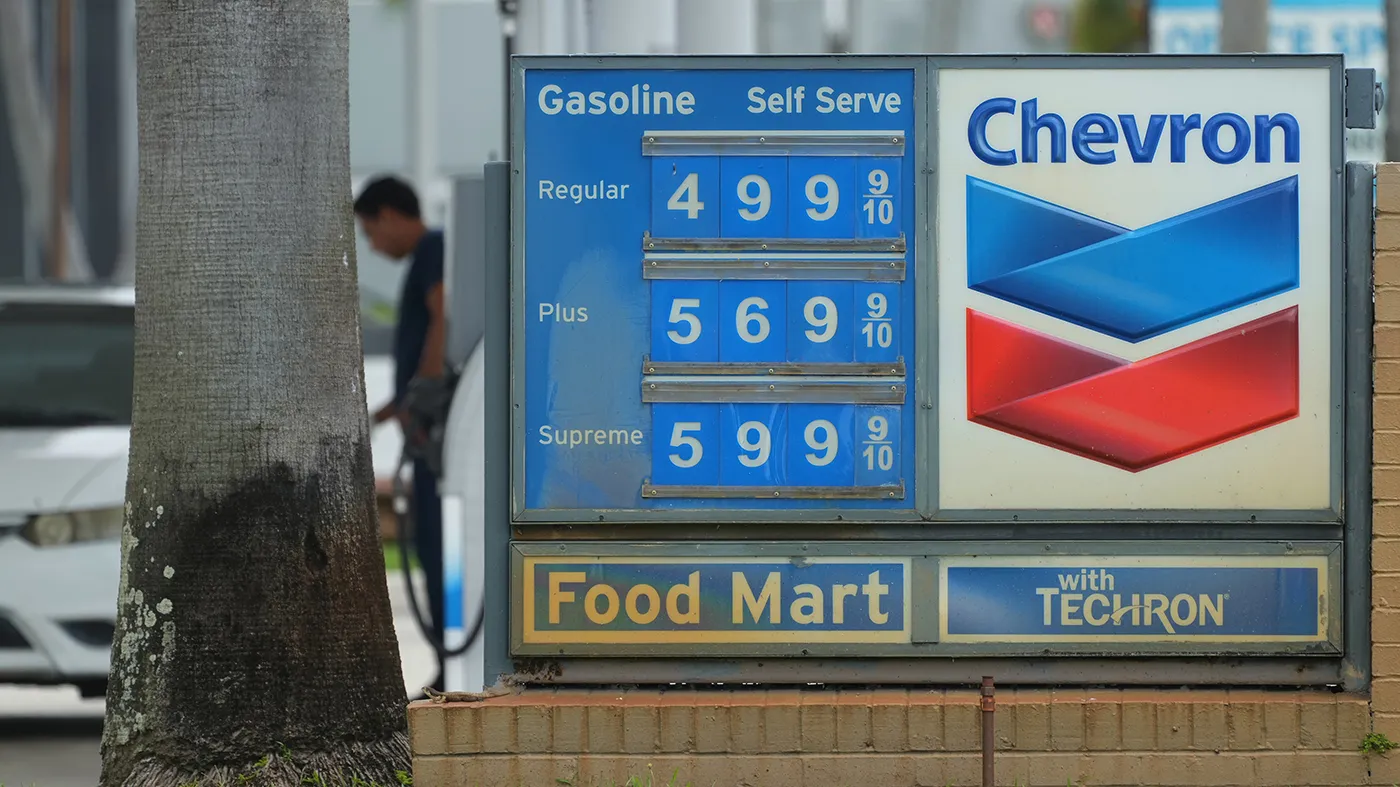
Provpnadvice.com – On Monday, the U.S. Treasury Department took a significant step by authorizing a 60-day general license that temporarily permits the sale of Iranian crude oil. This measure eases restrictions typically imposed on Iranian oil exports, allowing transactions involving the production, delivery, and sale of oil products from the country. The decision follows months of diplomatic engagement and marks a pivotal moment in the evolving relationship between the United States and Iran.
Key Conditions and Diplomatic Context
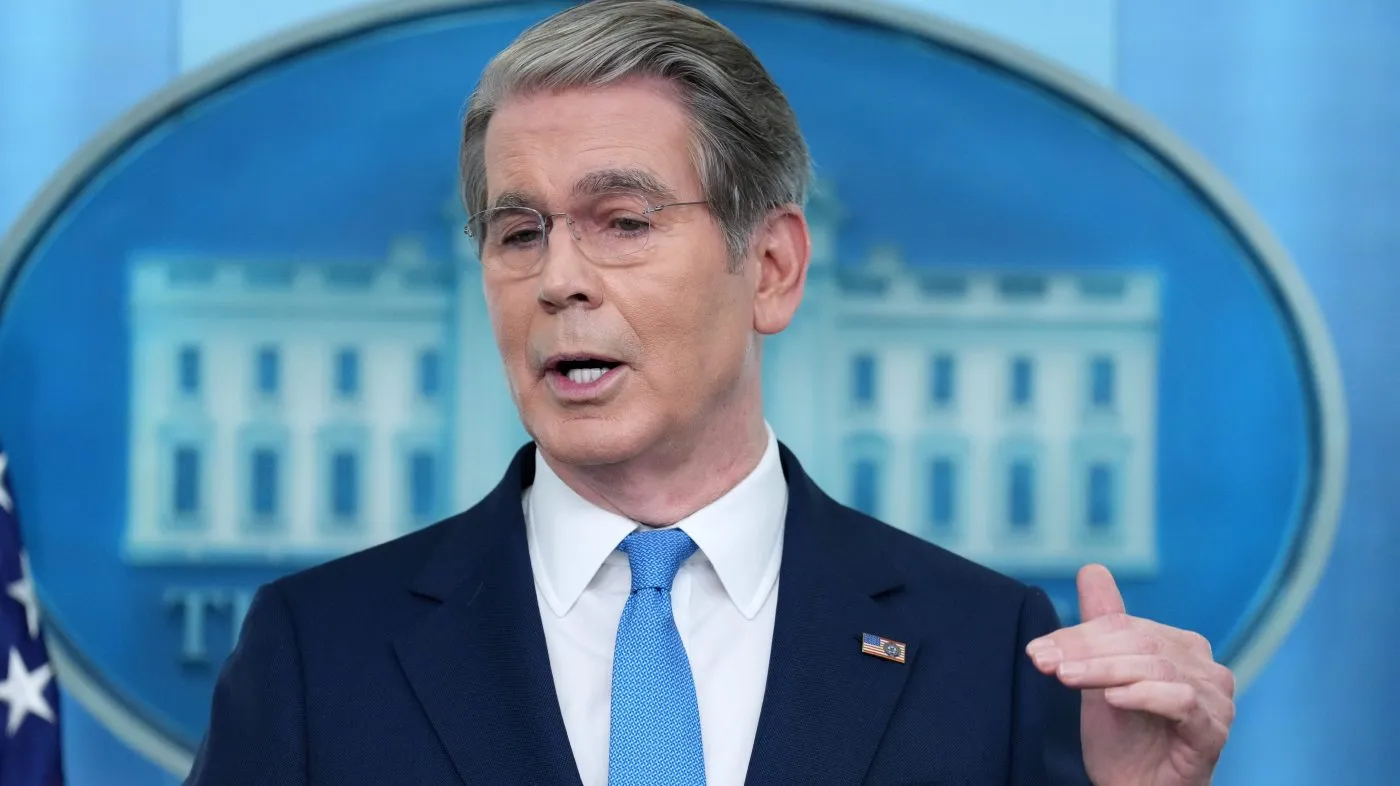
The temporary license is tied to a broader agreement between the U.S. and Iran, which outlines conditions for lifting sanctions. Treasury Secretary Scott Bessent highlighted that Iran has agreed to maintain open transit through the Strait of Hormuz and to welcome International Atomic Energy Agency (IAEA) inspectors into its territory. These commitments are part of ongoing talks in Switzerland, where both nations have been working to resolve tensions and stabilize oil trade.
“In line with the ongoing productive talks in Switzerland, Iran has committed to free and open transit in the Strait of Hormuz and to permit IAEA inspectors into their country,” Bessent stated in a post on the social media platform X.
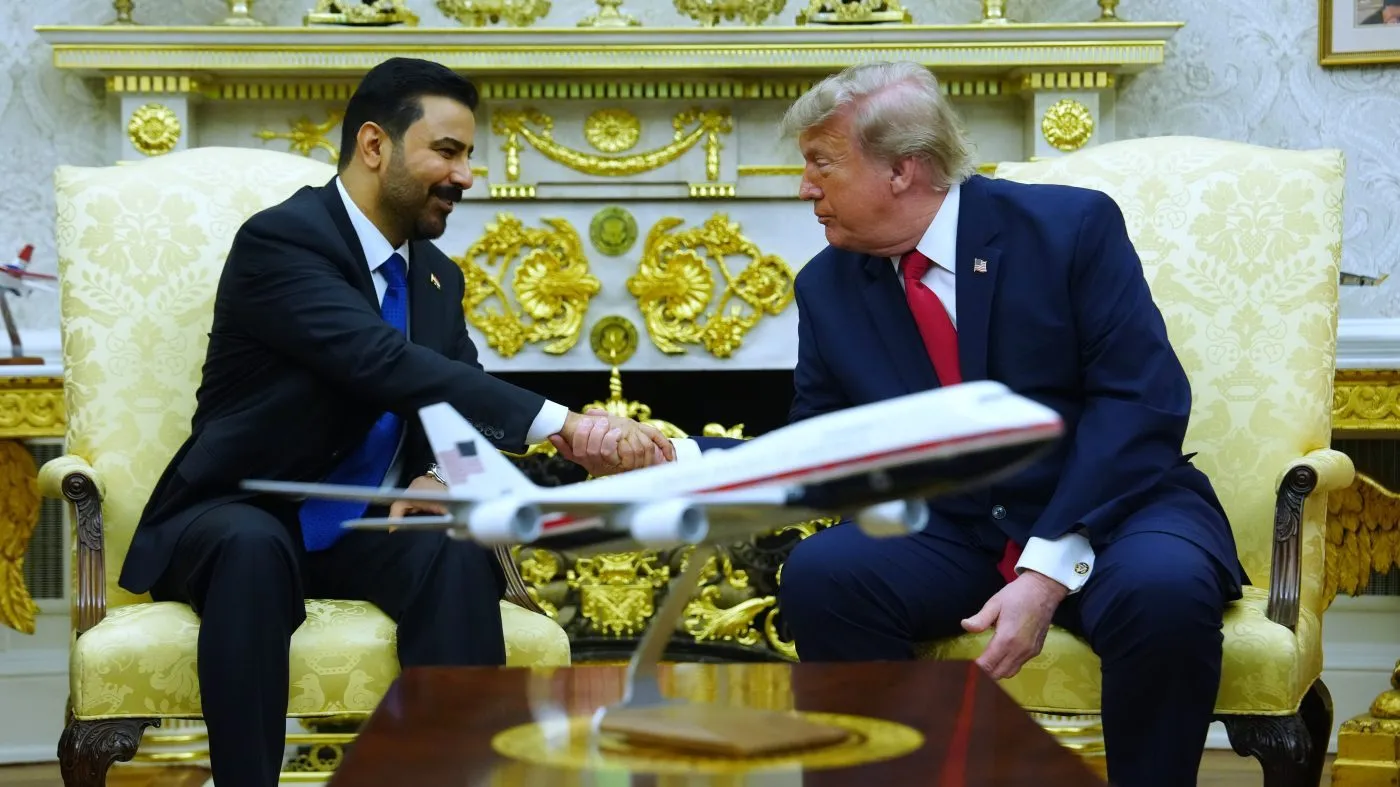
The move is a direct result of the memorandum of understanding (MOU) signed between the two countries last week. This document laid the groundwork for immediate relief on Iranian oil exports, and the new license is a practical application of that agreement. While the waiver is limited in scope, it provides a critical pathway for Iran to continue selling its oil without facing full sanctions.
Strategic Implications of the License
Under the terms of the license, transactions related to Iranian oil products—such as crude oil, petrochemicals, and petroleum derivatives—are now permitted for 60 days. This temporary authorization is designed to address immediate economic needs while maintaining oversight. The Treasury’s action signals a willingness to balance sanctions with diplomatic flexibility, ensuring that Iran can access international markets without fully dismantling its restrictions.
The decision to issue the license comes amid growing concerns about the impact of sanctions on Iran’s economy. By allowing the sale of oil, the U.S. aims to support Iran’s energy sector, which has been a cornerstone of its economic stability. Analysts suggest this move could help Iran recover from financial pressures while fostering a more predictable trade environment.
Strait of Hormuz and Ceasefire Negotiations
The license is part of a larger ceasefire deal that seeks to reduce hostilities in the Persian Gulf. The agreement is expected to include the reopening of the Strait of Hormuz, a vital maritime route for global oil shipments. The U.S. government has confirmed that the strait remains open, but Iran’s military has recently announced plans to close it again, raising questions about the durability of the ceasefire.
Bessent emphasized that the temporary license is a strategic tool to promote stability. He noted that the waiver could lead to increased oil sales, potentially boosting Iran’s revenue and providing a financial cushion for its economy. However, the success of this initiative depends on sustained diplomatic efforts and Iran’s adherence to the agreed-upon terms.
Global Reactions and Market Impact
International stakeholders have reacted cautiously to the news. While some view the waiver as a positive step toward reducing economic strain on Iran, others remain skeptical about its long-term effects. The temporary nature of the license means that Iran must continue meeting its commitments to maintain access to the market.
Market analysts predict that the move could lead to a surge in Iranian oil exports, particularly to countries that have previously supported the country. This could help Iran replenish its foreign reserves and invest in infrastructure projects. However, the potential for price fluctuations and geopolitical risks remains a concern, as the situation in the region is still fragile.
Iran’s commitment to open transit through the Strait of Hormuz is a crucial element of the agreement. The waterway, which accounts for a significant portion of global oil shipments, has been a focal point of tension between Iran and its neighbors. The temporary license is intended to ensure that this critical route remains unobstructed, facilitating smoother trade flows and reducing the risk of supply disruptions.
Broader Economic and Political Significance
As the license takes effect, its economic implications are expected to be felt across multiple sectors. The U.S. government has stated that the waiver will allow Iran to sell more oil and possibly secure higher prices, which could improve its trade balance and strengthen its currency. This is particularly important for a country heavily reliant on oil exports for economic growth.
Furthermore, the temporary authorization underscores the Treasury Department’s role in managing sanctions as a tool for diplomacy. By issuing the license, the department demonstrates a pragmatic approach to addressing Iran’s economic needs while maintaining pressure on its nuclear program. The broader ceasefire deal is seen as a way to reduce the risk of conflict and stabilize the region.
The agreement also highlights the importance of multilateral negotiations in resolving complex international disputes. The participation of Switzerland in the talks reflects the country’s interest in facilitating dialogue between the U.S. and Iran. This collaboration could set a precedent for future diplomatic engagements involving the two nations.
Despite the positive developments, challenges remain. The U.S. and Iran must continue working to ensure that the terms of the agreement are met, and the temporary license is not seen as a long-term solution. The success of this initiative will depend on the sustained cooperation between the two countries and the ability to maintain the ceasefire.
As the 60-day period begins, the international community will be closely watching the outcomes. The temporary license is a significant step, but it is just one part of a larger strategy to foster economic and political stability. The Treasury Department’s decision has opened the door for Iran to engage in oil trade, offering a glimpse of hope amid ongoing negotiations and regional tensions.