House unveils bipartisan kids online safety deal

House Unveils Bipartisan Kids Online Safety Agreement
Provpnadvice.com – On Monday, a group of House representatives introduced a cross-party agreement aimed at enhancing digital protections for children, following a protracted period of discord over regulating online platforms. This development marks a significant shift from earlier disputes that had stalled progress on comprehensive digital safety legislation. The bipartisan effort, which emerged after months of collaboration, seeks to address growing concerns about the risks children face while navigating the internet.
Collaboration Across Party Lines
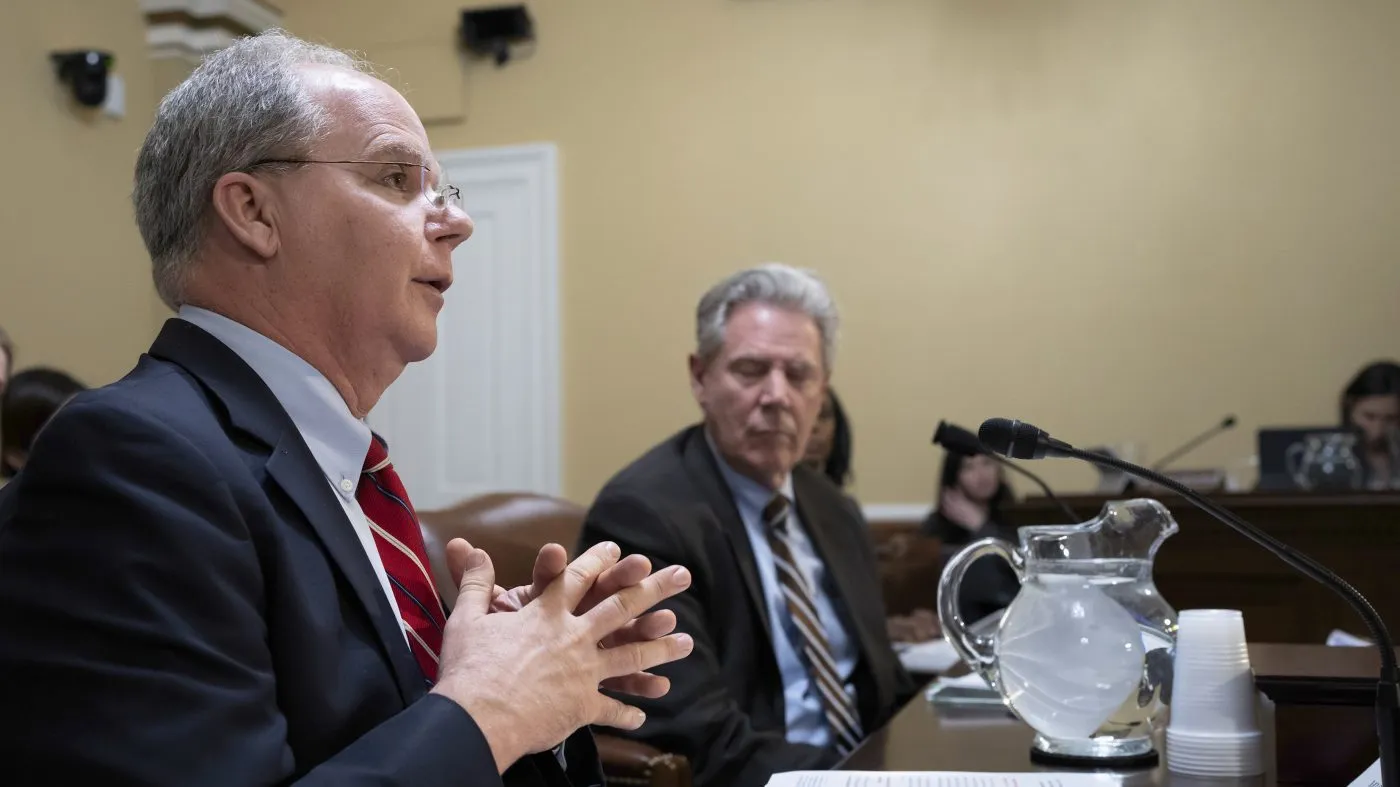
Leading the initiative are House Energy and Commerce Committee Chair Brett Guthrie (R-Ky.) and Democratic Representative Frank Pallone (D-N.J.), who emphasized their dedication to finding solutions that bridge partisan divides. According to their statement, the two lawmakers engaged in sustained bipartisan collaboration over several months, culminating in a shared vision for safer online spaces. Their commitment to “common ground” reflects a broader strategy to prioritize children’s welfare in the digital age, even as political tensions lingered over other tech-related issues.
“Our goal has been to create a framework that empowers parents, ensures safety as a standard, and safeguards the privacy of young users,” Guthrie and Pallone stated in a joint release. “This legislation represents a critical step toward modernizing the rules that govern online activity for children and teens.” The statement highlights key pillars of the new proposal, including parental control mechanisms, default safety settings, and stricter oversight of data practices by major tech companies.
“Through empowering parents, establishing safety as a default, strengthening privacy for children and teens, increasing transparency around data brokers, and holding Big Tech accountable, the KIDS Act delivers the 21st century protections parents have demanded and our kids deserve,” the lawmakers wrote in a statement.
The KIDS Act, as it is now called, builds upon earlier efforts such as the Kids Online Safety Act (KOSA), which had gained traction in previous sessions. While KOSA focused on holding social media platforms responsible for harm caused to minors, the updated KIDS Act expands its scope to include broader data governance measures. This evolution underscores the growing recognition that online safety requires not only accountability for content but also transparency in how user data is collected and used.
Key Provisions and Stakeholder Impact
Central to the KIDS Act is its emphasis on parental empowerment. Under the proposal, platforms would be required to offer customizable privacy settings that allow parents to control their children’s online experiences. These settings would default to high privacy modes for users under a certain age, ensuring that data collection practices are minimized unless explicitly agreed to by parents. Additionally, the bill mandates that companies provide clear, accessible information about how they handle children’s data, including details about third-party data brokers.
Data brokers, often overlooked in public discourse, are entities that aggregate personal information from multiple sources to create detailed profiles of users. The KIDS Act seeks to regulate these brokers by requiring them to disclose the types of data they collect from minors and how it is shared with advertisers or other platforms. This transparency is crucial for parents who want to make informed decisions about their children’s digital footprint. The lawmakers also stress the need to hold major technology firms accountable, citing their influence over the online environment as a key factor in shaping children’s behaviors and identities.
Privacy advocates and education experts have praised the bill for its forward-thinking approach. “This legislation addresses the root causes of online risks, such as data misuse and algorithmic targeting,” said one cybersecurity analyst. “By making safety a priority, it sets a new standard for how companies interact with young users.” The act also includes provisions to increase transparency around targeted advertising, ensuring that children are not subjected to manipulative marketing tactics without clear consent from their guardians.
Progress and Challenges Ahead
The KIDS Act builds on a previous version that had passed through committee in March with a narrow 28-24 vote. While this initial approval signaled support, the bill still needed to navigate the full House floor and gain final passage. The current agreement is seen as a refinement of earlier proposals, incorporating feedback from stakeholders and addressing concerns that had previously hindered consensus. With the bipartisan deal, lawmakers hope to streamline the legislative process and build broader support for the measure.
Despite the progress, challenges remain. The bill must now face scrutiny from both parties, with potential objections from groups that favor lighter regulation. Critics argue that the KIDS Act could impose burdensome compliance costs on tech companies, particularly smaller platforms. However, proponents counter that these measures are necessary to protect the most vulnerable users in an increasingly connected world. “The cost of inaction is far greater than the cost of implementation,” said a representative from a children’s advocacy organization.
Industry representatives have also weighed in on the proposal. While some tech firms expressed cautious optimism, others warned of the need for clear implementation guidelines. “We welcome the opportunity to work with lawmakers to ensure the bill balances protection with innovation,” said a spokesperson for a major social media company. The KIDS Act’s success will depend on its ability to strike this balance, as well as its passage through the House and Senate.
As the debate continues, the KIDS Act is positioned as a landmark achievement in bipartisan cooperation. It represents a shift toward prioritizing children’s safety in the digital realm, even as political differences persist on other issues. The bill’s passage could serve as a model for future legislation, demonstrating that common ground is possible when the stakes are clear and the needs of families are at the forefront of the discussion.
BestReviews, a platform that evaluates consumer products, is reader-supported and may earn an affiliate commission from purchases made through its recommendations. This partnership highlights the role of independent assessments in shaping public understanding of digital safety initiatives. While the KIDS Act is still in the early stages of debate, its introduction has already sparked renewed interest in the importance of safeguarding young users in the digital age.
With the support of key lawmakers and a growing coalition of advocates, the KIDS Act has the potential to reshape how children engage with online platforms. Its provisions, which span parental control, data transparency, and accountability for tech giants, reflect a comprehensive approach to addressing the multifaceted challenges of digital safety. As discussions continue, the bill’s ability to unify diverse perspectives will be critical to its long-term impact on families and the online ecosystem.
In an era where digital technologies are deeply integrated into daily life, the KIDS Act serves as a reminder that legislative action can still drive meaningful change. By bringing together representatives from both major parties, the bill exemplifies the power of collaboration in tackling complex issues. Its success could not only improve the online experience for children but also set a precedent for future legislation that balances innovation with the protection of user rights.