Susan Rice slams ‘flimsy’ Trump Iran MOU amid ‘stupid war’: ‘This is a very bad outcome’

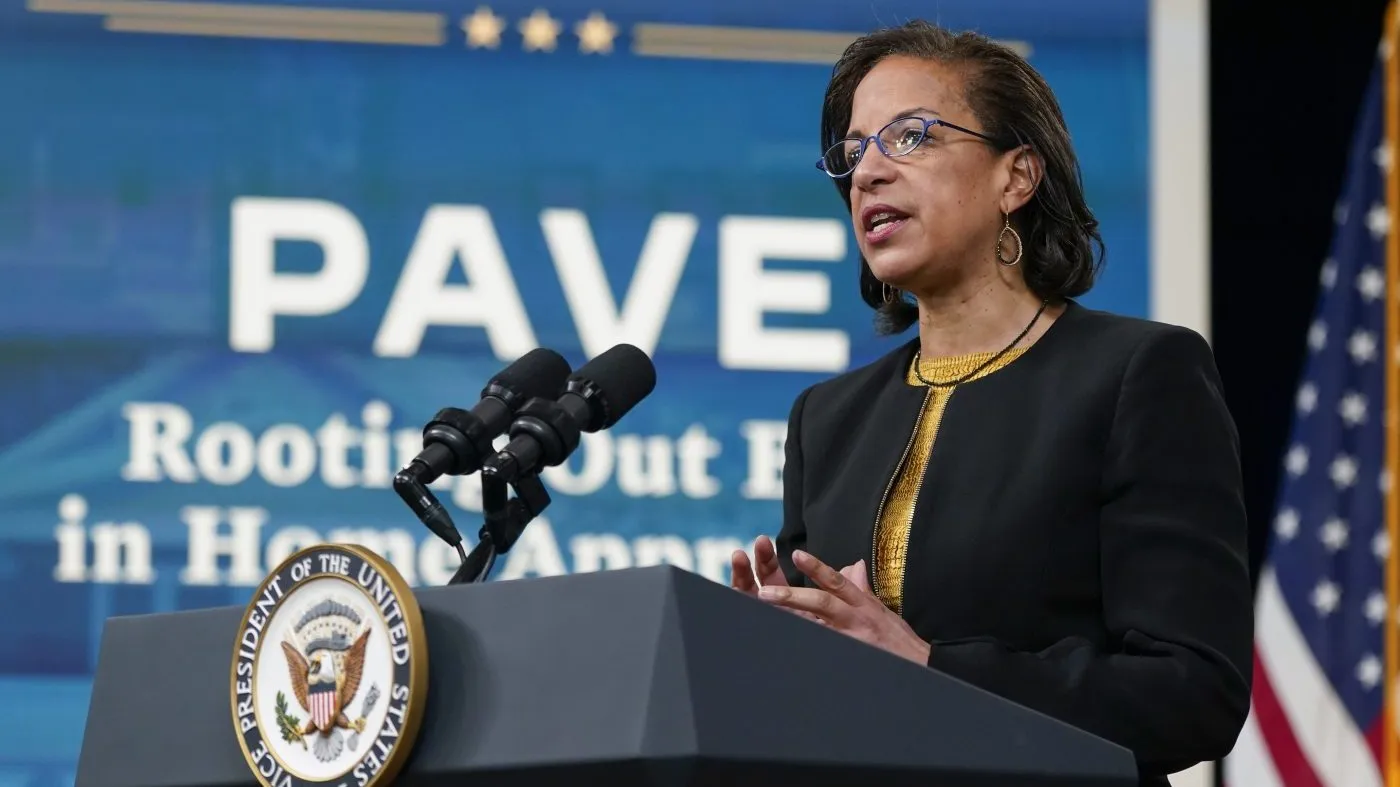
Susan Rice Criticizes Trump’s Iran MOU as ‘Flimsy’ Amid ‘Stupid War’
Provpnadvice.com – Former national security adviser Susan Rice has voiced strong opposition to President Donald Trump’s memorandum of understanding (MOU) with Iran, describing the 14-point agreement as a “flimsy” framework that risks undermining decades of diplomatic progress. In a recent interview with ABC News’s Jonathan Karl, Rice emphasized her dismay over the pact, which she believes has compromised U.S. strategic interests in the Middle East.
The MOU: A Fragile Framework
Rice highlighted that the agreement, finalized on Wednesday, represents a significant shift in U.S. policy toward Iran. She argued that the concessions outlined in the two-page document were made without sufficient negotiation, leaving critical issues unresolved. “So many concessions were granted upfront,” she stated, “which wouldn’t normally or shouldn’t have been given until after a fully comprehensive deal was in place to address Iran’s nuclear program.”
“Egregious,” Rice said, addressing Karl directly. “This flimsy memorandum of understanding is a slap on the wrist for Iran, allowing them to hold the world economy hostage without the necessary safeguards.”
Rice, who served in the administrations of former Presidents Bill Clinton and Barack Obama, has been a vocal advocate for diplomacy over military action. In a separate interview on “This Week,” she reiterated her stance, calling the MOU “a jaw-dropping, horrific surrender document.” The agreement includes a $300 billion reconstruction fund for Iran, a provision she viewed as a major concession that could prolong the country’s geopolitical leverage.
Ending the Conflict and Reopening the Strait of Hormuz
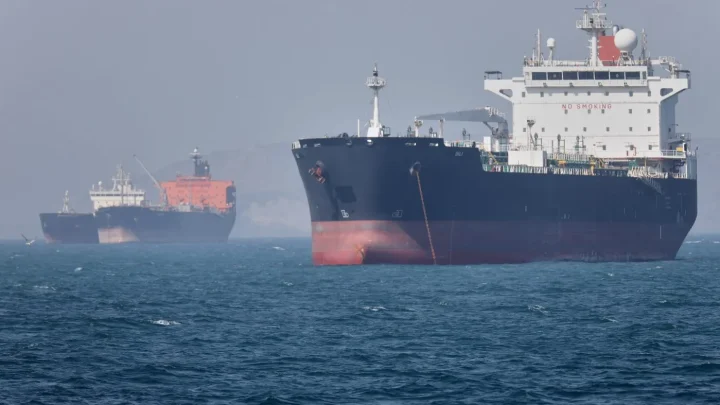
The MOU aims to de-escalate the ongoing tensions between the U.S. and Iran, with a key focus on restoring access to the Strait of Hormuz. This vital waterway serves as a critical artery for global oil transportation, with approximately a quarter of the world’s oil passing through it daily. The agreement also outlines the termination of oil sanctions on Tehran and establishes a 60-day timeline for technical discussions on Iran’s nuclear program.
Rice expressed concern over the administration’s approach to securing the strait. “Iran has now realized they can use Hormuz as a weapon to disrupt the global economy,” she warned. “They’ve been playing that game for the last 48 hours, and the MOU gives them a platform to do so without immediate consequences.”
“President Trump’s strategy was to use the reopening of the strait as leverage,” Rice said. “But by doing so, he’s allowed Iran to dictate terms without fully addressing the underlying issues.”
The decision to end the conflict came amid heightened regional tensions, particularly after Iran threatened to close the strait in response to renewed fighting between Israel and Hezbollah in Lebanon. While the Trump administration claimed that ship traffic was resuming, Rice questioned whether the agreement truly resolved the situation or merely delayed the inevitable.
Reactions to the Agreement
Democrats and some Republican critics have voiced frustration over the MOU, citing its potential to weaken U.S. position in negotiations. The $300 billion fund, intended to rebuild Iran’s infrastructure, has been criticized as a reward for Iran’s actions rather than a condition for reform. Rice argued that the agreement’s compromises risk creating a “far weaker hand” for the U.S. in future talks.
“This is a very bad outcome,” Rice asserted. “We shouldn’t have been in this war in the first place, because it was obvious for decades that diplomacy is the only way to resolve this problem.” She reiterated that the conflict, which began under the previous administration, was avoidable and that the MOU fails to address the root causes of the dispute.
Strategic Leverage and Political Calculus
Energy Secretary Chris Wright, speaking in a separate interview with Karl, defended the administration’s strategy. “The returning flows of oil back to normal without any cooperation from Iran,” he said, “is the leverage President Trump used to get them to the table.” According to Wright, the MOU demonstrates a pragmatic approach to resolving the crisis, even if it means accepting temporary concessions.
Rice, however, challenged this view. She pointed out that the agreement’s terms may not hold in the long run, as Iran could exploit its regained influence. “This MOU doesn’t just end the war—it leaves us in a worse position,” she said. “We’ve traded immediate stability for a fragile peace that doesn’t address the real problems.”
Historical Context and Diplomatic Implications
Rice’s critique echoes broader concerns about the shift from a structured nuclear deal to a less binding agreement. The 2015 Joint Comprehensive Plan of Action (JCPOA), which Iran agreed to under the Obama administration, included strict verification measures and a phased reduction of nuclear capabilities. By contrast, the Trump MOU focuses more on easing sanctions and restoring access to key trade routes, with fewer commitments to long-term nuclear restrictions.
Analysts note that the MOU reflects a Trump administration prioritizing short-term political gains over sustained diplomatic efforts. The agreement was framed as a win for both sides, but critics argue it could embolden Iran to pursue more aggressive policies in the future. Rice’s warning about the strait of Hormuz underscores this risk, suggesting the MOU may have traded one form of conflict for another.
A Legacy of Diplomacy and Division
As the agreement moves forward, Rice’s comments highlight a growing divide within the Trump administration over its handling of Iran. While some officials see the MOU as a pragmatic solution to a complex problem, others, including Rice, view it as a missed opportunity to solidify a lasting peace. Her emphasis on the “stupid war” underscores her belief that the conflict was unnecessary and that the MOU fails to address the core issues of Iran’s nuclear program and regional influence.
Rice’s analysis also raises questions about the effectiveness of the MOU in achieving its stated goals. By ending the war, the agreement may reduce immediate hostilities, but it could also weaken the U.S. position in future negotiations. “We’ve allowed Iran to take advantage of the situation,” she said, “without ensuring they’re held accountable for their actions.”
As the details of the MOU continue to unfold, the debate over its merits and drawbacks remains intense. Rice’s sharp criticism serves as a reminder of the high stakes involved in U.S.-Iran relations and the importance of crafting agreements that balance immediate needs with long-term objectives. The agreement’s success will depend on whether Iran adheres to its commitments and whether the U.S. can maintain its strategic edge in the region.
Conclusion: A Test of Diplomatic Resolve
Rice’s comments reflect a broader anxiety about the direction of U.S. foreign policy under the Trump administration. While the MOU is a step toward de-escalation, she argues it risks setting a precedent for future concessions. “This is a very bad outcome,” she reiterated, emphasizing that the U.S. must prioritize diplomacy over unilateral actions to ensure a stable and secure future with Iran.