World Cup brings political issues to the surface: 5 takeaways

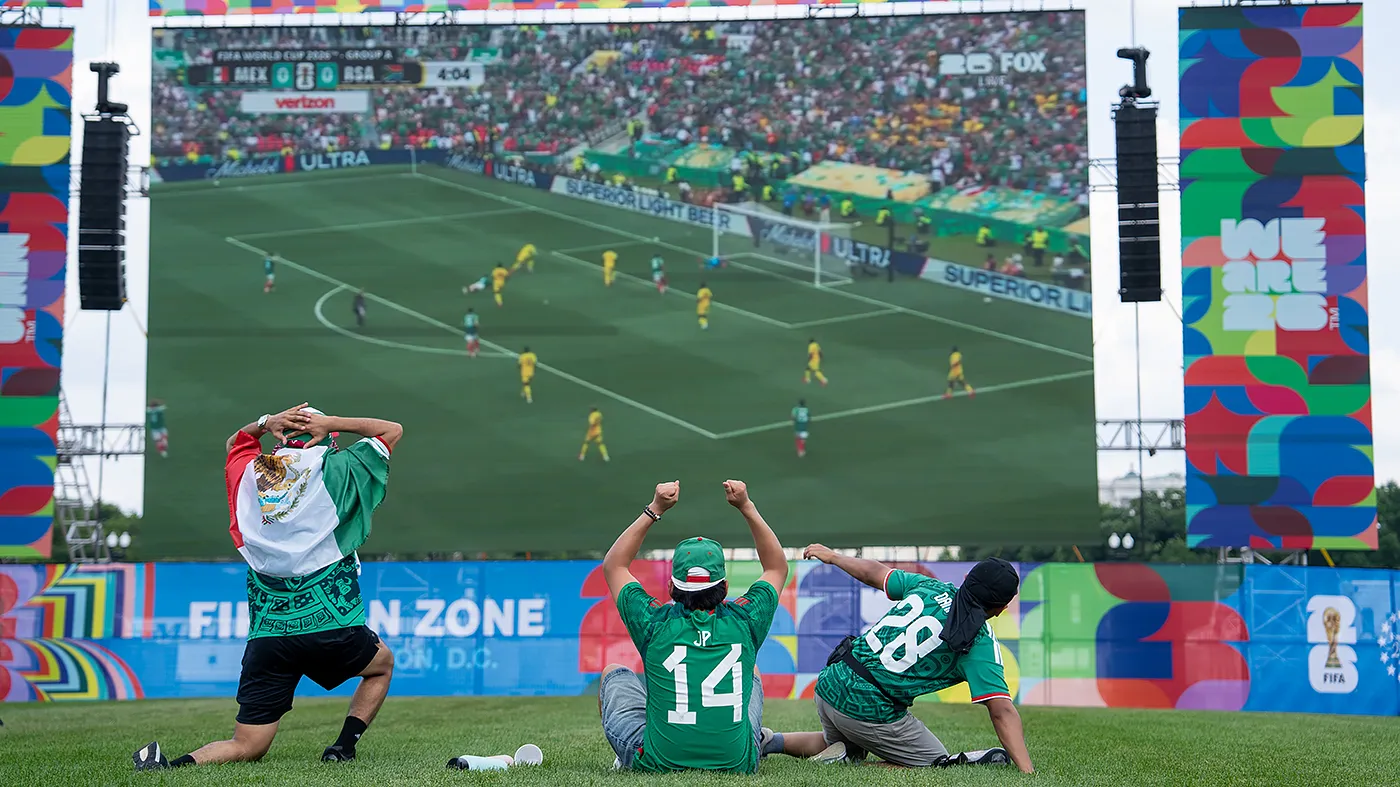
World Cup brings political issues to the surface: 5 takeaways
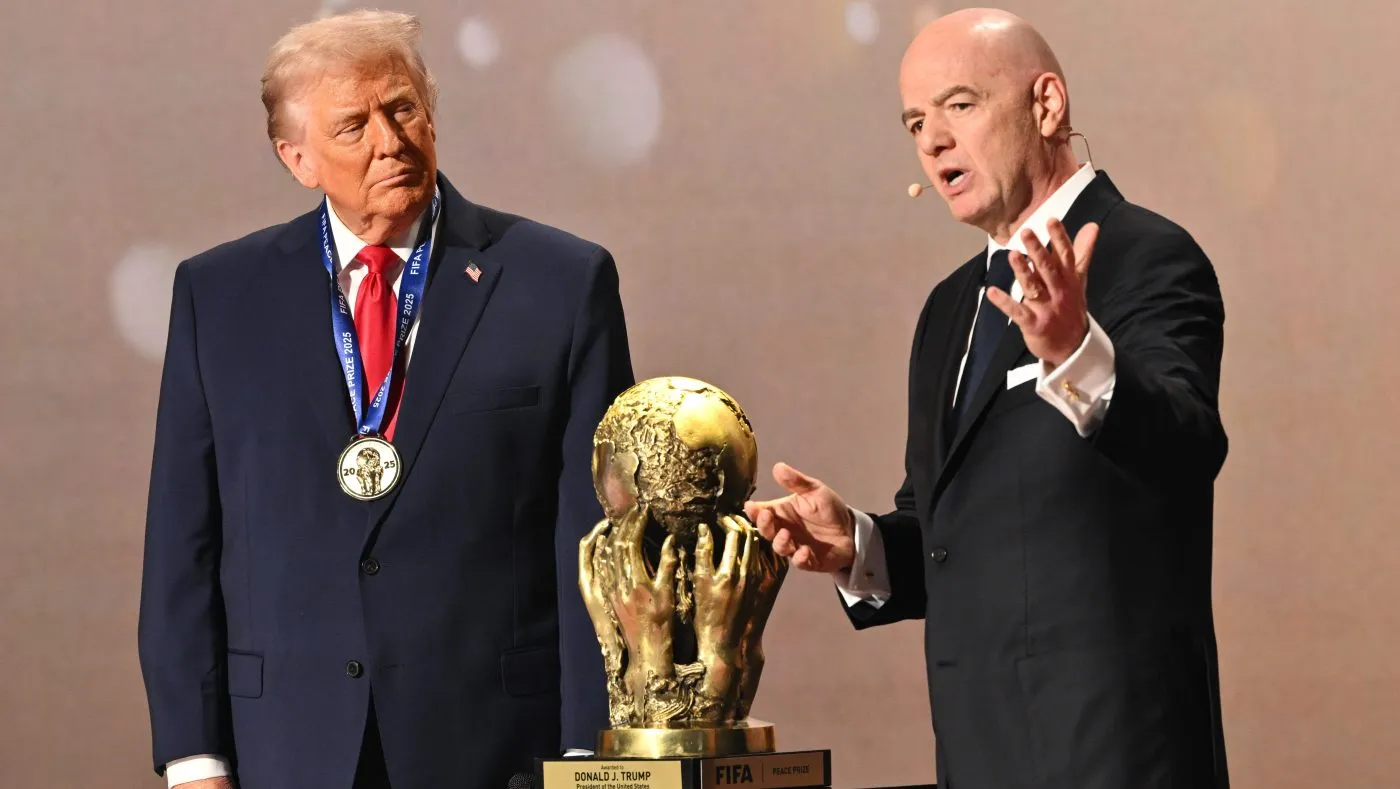
Provpnadvice.com – The opening week of the 2026 FIFA World Cup has been marked by heightened geopolitical tensions, U.S. immigration policy debates, and intense group stage action that has captivated audiences globally. As the tournament unfolds on American soil for the first time in over two decades, it has not only drawn new fans to the United States but also spotlighted the nation’s standing in international affairs under President Trump’s leadership.
Geopolitical Dynamics on Display
Political discourse has long accompanied the World Cup, but this year’s edition carries a sharper edge. The first week of matches coincided with ongoing diplomatic talks between the Trump administration and Iran, with the Islamic Republic participating in the event. This alignment has placed Iran’s players and coaches under scrutiny, particularly after they were compelled to depart the U.S. following their initial game without a chance to recover. Training now shifts to Mexico, a move that has raised concerns among team officials about potential performance impacts.
“We are working closely with the IR Iran Football Federation to identify compliant solutions that maximise opportunities for Iranian supporters to attend matches,” said a FIFA official.
Protests have erupted around Iranian matches, with demonstrators criticizing both the government and the ongoing conflict. Some fans have expressed frustration over tickets issued through the Iran Football Federation, arguing that FIFA should not facilitate entry for supporters amid the host nation’s tensions. The diplomatic context has added a layer of complexity to the sporting event, blending national pride with international relations.
Immigration Policy in the Spotlight
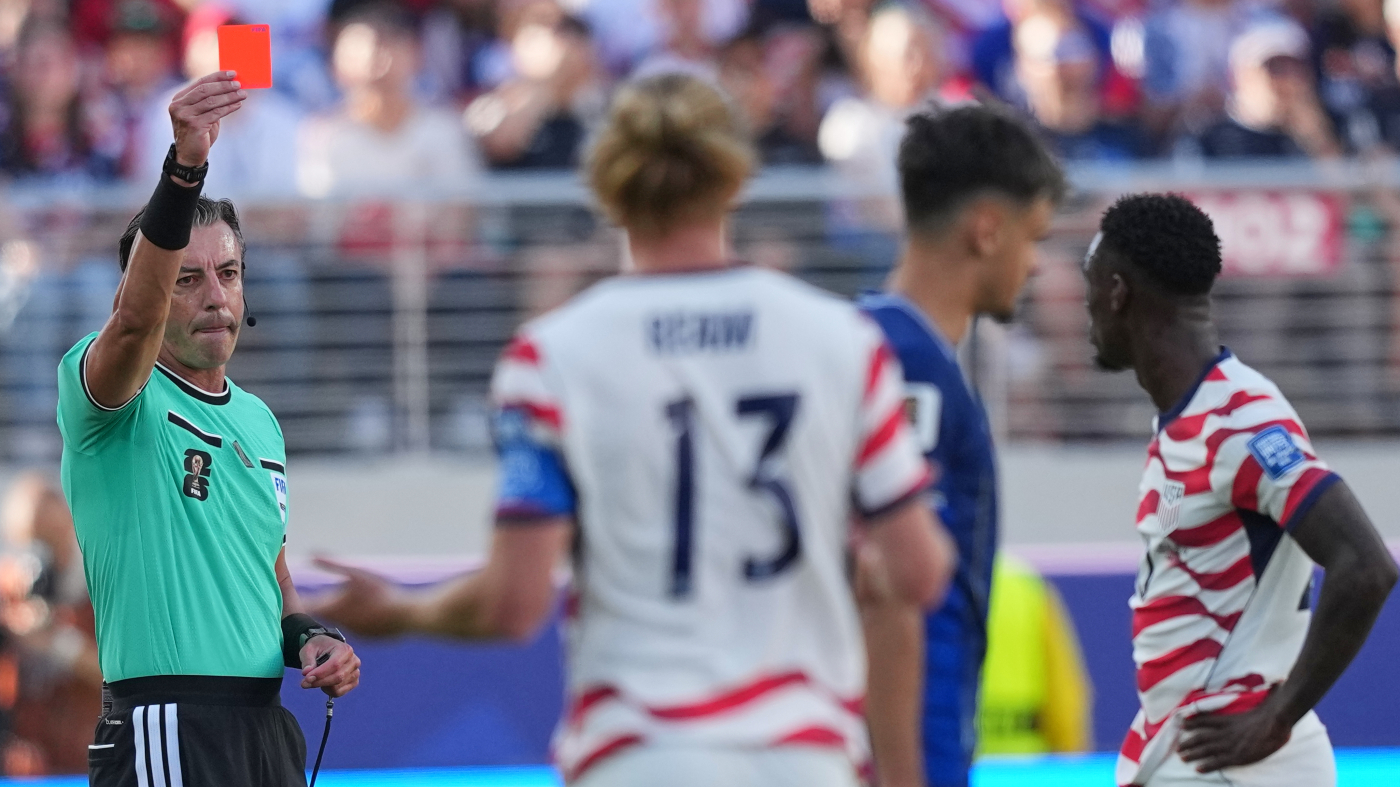
The U.S. immigration agenda has also taken center stage. Immigration and Customs Enforcement (ICE) operations have been observed at several matches, while the Department of Homeland Security (DHS) recently barred a Somali referee from entering the country for alleged ties to suspected terrorists. These actions have sparked debate among Democrats and immigration advocates, who question the role of enforcement agencies in a cultural event meant to unite people.
Despite the scrutiny, the Trump administration maintains that individuals in the U.S. legally have “nothing to worry about” when attending matches or participating in watch parties. However, the practical effects are evident: foreign fans and their families face challenges in obtaining visas, and the high cost of tickets has left some devoted supporters unable to attend games in person.
Corporate Branding and Economic Impact
This year’s World Cup is poised to become FIFA’s most financially successful tournament, with major corporate brands investing heavily in advertising campaigns. Sponsors like Nike, Anheuser-Busch, and Adidas have allocated millions to promote matches featuring top-tier athletes such as Lionel Messi and Christian Pulisic. Fox Sports, in particular, has reported strong ratings, with Team USA’s debut against Paraguay drawing over 27 million viewers.
The economic ripple effects are significant. Analysts predict that the event will generate more than $2 billion in local economic activity, creating tens of thousands of jobs in cities like Los Angeles, Seattle, and Dallas. This surge has also brought attention to the influence of stadium naming rights. A new study commissioned by Sports Business Journal estimates that brands with naming rights to U.S. venues hosting World Cup matches could lose up to $53.5 million in exposure due to FIFA’s restrictions on non-sponsor corporate names.
Logistical Innovations and Criticisms
One notable change this year is the introduction of incremental hydration breaks during matches. FIFA has mandated these pauses at the midpoint of each half, citing the need to safeguard player health and safety. The policy aligns with the sweltering conditions experienced in the U.S. during the first week, when temperatures reached the mid to upper 90s on several match days.
While the breaks are intended to aid athletes, critics argue they could provide an unfair advantage. Coaches and players facing challenges might use the intervals to regroup, potentially altering momentum in key moments. Some teams have already been seen leveraging these pauses strategically, according to reports. The measure also applies to indoor stadiums, raising questions about its necessity in all weather conditions.
Global Fans and Domestic Rivalries
As the World Cup progresses, the focus on American soil has created a unique blend of international and domestic narratives. Matches held in NFL stadiums—home to the nation’s most popular professional league—have drawn attention to the intersection of sports and business. The integration of major league venues into the tournament highlights FIFA’s strategy to bolster its foothold in the North American market.
Simultaneously, the event has reignited interest in U.S. teams, with fans eager to support their national squad. The competitive group stage has set the stage for a thrilling knockout round later this month, promising high-stakes action and heightened emotional investment. For many, the World Cup serves as a unifying force, transcending political divides to celebrate the universal language of sport.
Amid these developments, the tournament remains a testament to the power of football to bring people together. Even as political and logistical challenges shape the experience, the passion for the game continues to drive global engagement. The World Cup’s ability to adapt to its environment—whether through policy changes or corporate partnerships—underscores its enduring relevance in an ever-evolving world.