Iran says it’s closing Strait of Hormuz, citing Israeli strikes on Lebanon

Iran Says It’s Closing Strait of Hormuz, Citing Israeli Strikes on Lebanon
Provpnadvice.com – On Saturday, Iran’s top military authority announced that it would close the Strait of Hormuz, a vital maritime passage for global oil trade, in response to ongoing Israeli attacks on Lebanese forces during a ceasefire period. The decision, reported by the state-run IRIB broadcaster, follows a series of strikes attributed to Israel targeting Iran-backed Hezbollah militia in southern Lebanon. These actions, the Iranian military said, have disrupted the fragile peace agreement currently in place between the U.S. and Iran.
The closure of the strategic strait, which connects the Persian Gulf to the Arabian Sea, has significant implications for international shipping and energy markets. The move comes after President Trump signed a framework agreement with Iran in recent days, which aimed to secure the reopening of the waterway. However, the Iranian leadership claims that the U.S. has failed to uphold its commitments under the ceasefire terms, particularly the first article of the war-ending memorandum.
“In view of the United States’ bad faith and its clear breach of its commitments by failing to implement the first article of the memorandum ending the war, and in response to the continuous and ongoing violation of the ceasefire by the Zionist regime in southern Lebanon… It hereby announces that the Strait of Hormuz will be closed to the passage of vessels,”
the military command stated in a formal declaration. This statement reflects the Iranian position that Israel’s operations have undermined the ceasefire agreement, even as the U.S. continues to support the Jewish state in its military actions.
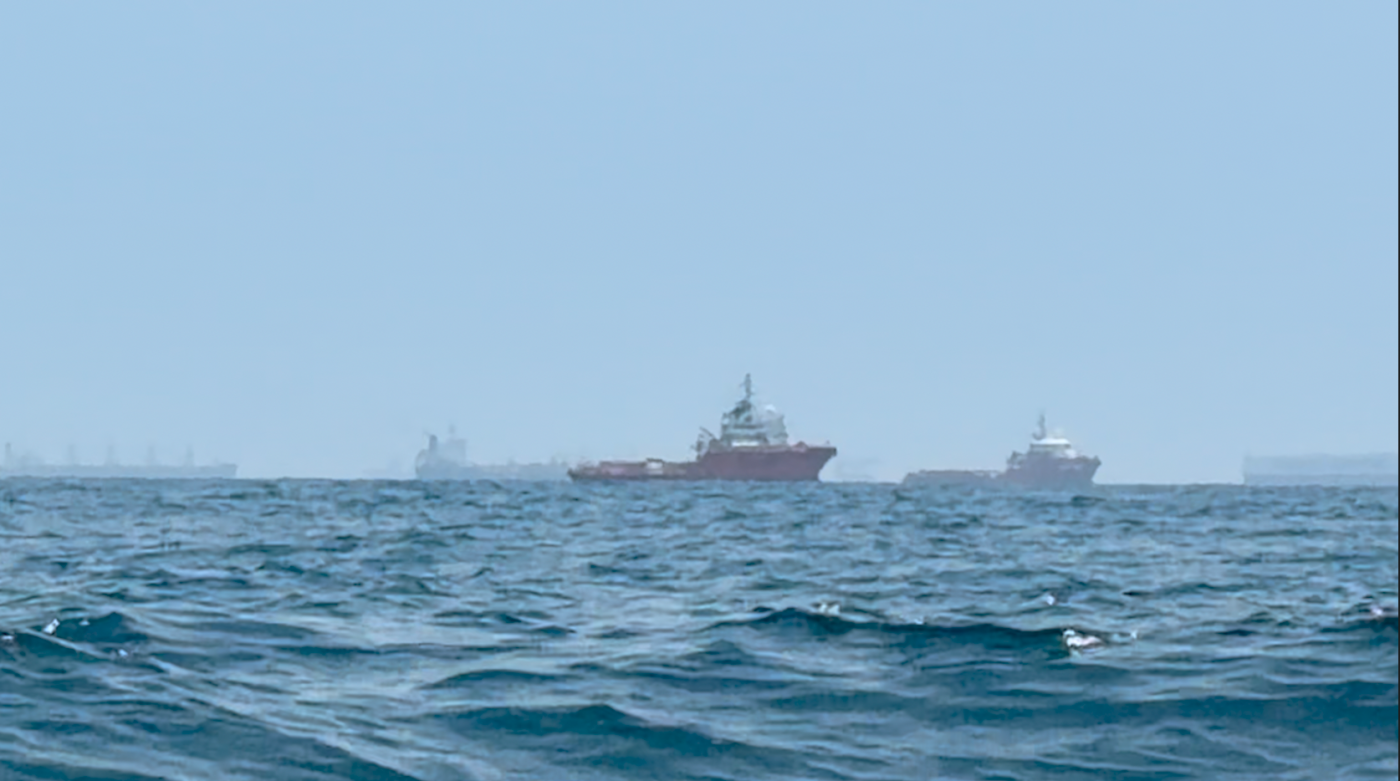
The decision to block the strait has already begun affecting the flow of commercial vessels, raising concerns about potential disruptions to global oil supplies. The closure, if fully enforced, could lead to a sharp rise in energy prices and create bottlenecks in the transportation of crude oil from the Middle East to international markets. Iran’s action is seen as a direct response to the recent escalation of hostilities, which has continued despite the initial agreement to halt fighting.
Following the announcement, U.S. Central Command (Centcom) issued a statement emphasizing that the strait remained open and that commercial traffic had actually increased on Saturday. The command attributed this to the U.S. military’s continued support and vigilance in ensuring the waterway’s safety. “U.S. forces remain present and vigilant to ensure all aspects of the agreement with Iran are adhered to, obeyed, and in full force and effect,” Centcom said in a social media update.
President Trump, in a speech delivered at Joint Base Andrews on Friday, highlighted the strait’s critical role in global trade. He remarked, “ships are flying out of the Hormuz Strait like nobody’s ever seen before,” underscoring the high volume of maritime traffic that typically flows through the region. However, the Iranian closure may challenge this narrative, as it could force ships to take alternative routes, potentially increasing travel times and costs.
Vice President Vance, speaking to Fox News earlier Saturday, provided specific data on the strait’s usage. He stated that 16 million barrels of oil had passed through the waterway in the previous 24 hours, a figure that aligns with pre-war levels. “That is basically to where it was before the war even started, and so that suggests that the straits really are open,” Vance explained, offering a counterpoint to Iran’s claim of a complete blockade.
The situation has drawn attention to the geopolitical stakes of the region. With the closure of the Hormuz Strait, the U.S. and Iran face heightened pressure to resolve their differences and restore stability to the area. The Israeli strikes on Hezbollah, which took place shortly after the ceasefire agreement was signed, have become a focal point in the ongoing tensions. Iran has framed these attacks as a violation of the truce, while Israel has defended its actions as necessary to counter Hezbollah’s activities.
Amid these developments, a new round of diplomatic efforts has emerged. The U.S. delegation, including special envoy Steve Witkoff and presidential advisor Jared Kushner, is currently in Switzerland ahead of planned technical-level talks set for Sunday. These discussions aim to finalize a peace deal that would end the prolonged conflict between the U.S. and Iran. Pakistan’s foreign ministry, which has played a key role in mediating the negotiations, confirmed that officials from Qatar will also join the meeting in Bürgenstock, a location known for its neutrality and strategic importance in international diplomacy.
The Iranian Foreign Ministry spokesperson, Esmaeil Baqaei, reiterated the country’s commitment to the peace process. Speaking to the semi-official Fars News Agency, he stated that Foreign Minister Abbas Araghchi would lead an Iranian delegation to the Swiss talks, signaling the nation’s intent to engage in direct negotiations. This move underscores the urgency for Iran to address the strait’s closure and its impact on the global economy.
As the situation unfolds, the closure of the Hormuz Strait has reignited debates about the role of international alliances and the balance of power in the Middle East. Analysts suggest that the decision could serve as a diplomatic lever, pressuring the U.S. to recommit to the ceasefire while also showcasing Iran’s ability to control critical infrastructure. The outcome of the Swiss talks may determine whether the strait reopens or remains a flashpoint in the broader conflict.
With the strait’s status hanging in the balance, the world watches closely for any signs of escalation or de-escalation. The continued flow of oil through the waterway, as reported by Centcom, offers a glimmer of hope, but the underlying tensions between the U.S. and Iran, exacerbated by Israel’s actions in Lebanon, remain unresolved. The next steps in the negotiations will likely shape the future of regional stability and the global energy market.