Trump insults Meloni again amid spat over G7 photo claims

Trump Insults Meloni Again Amid Spat Over G7 Photo Claims
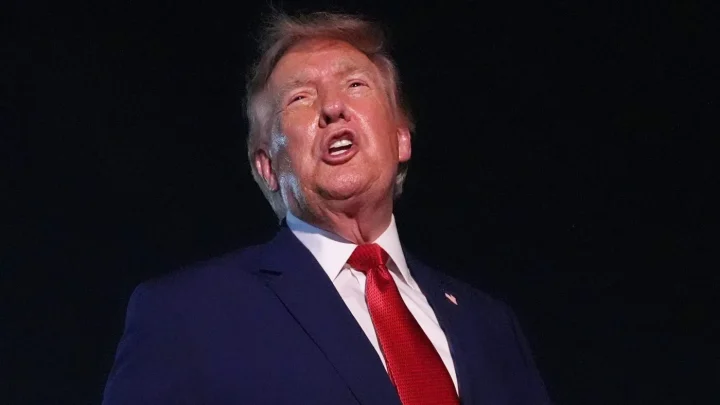
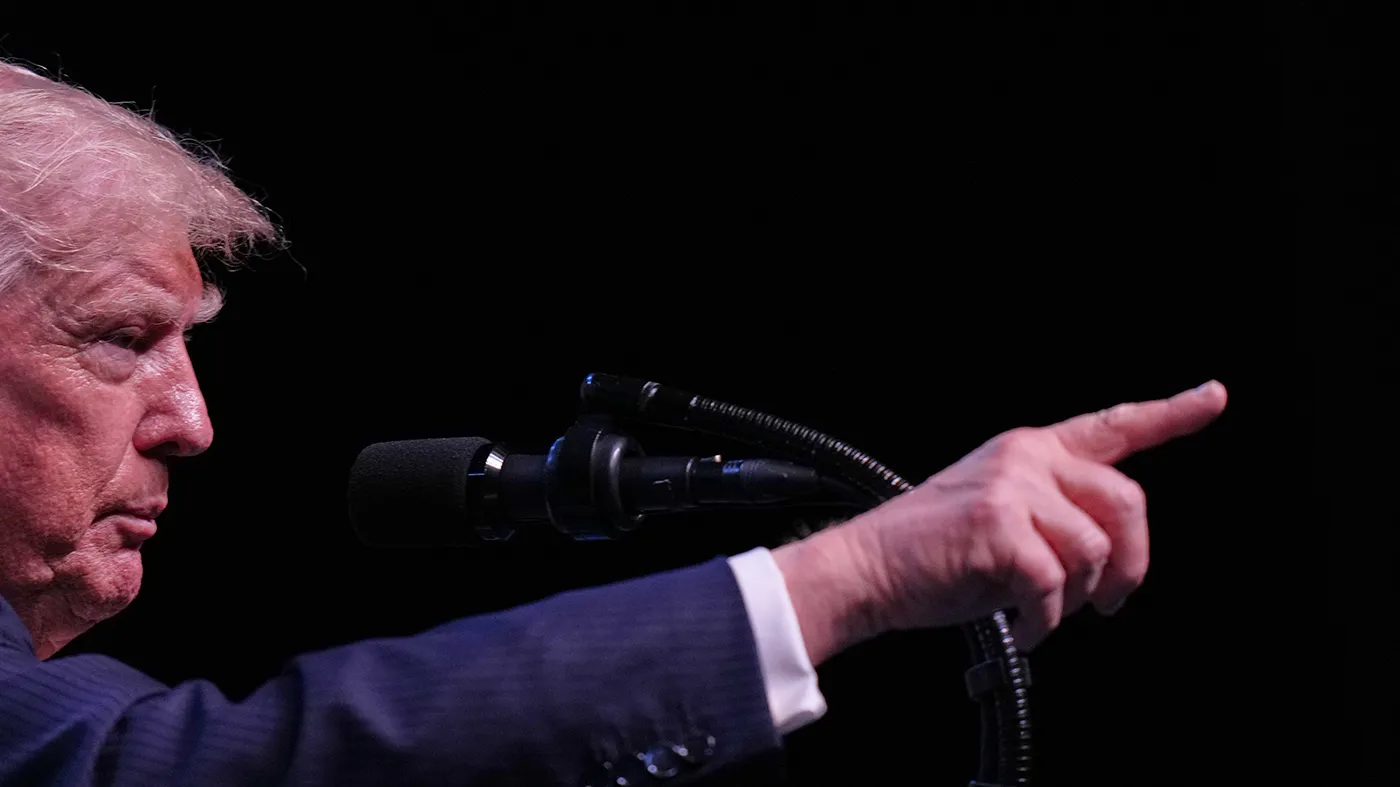
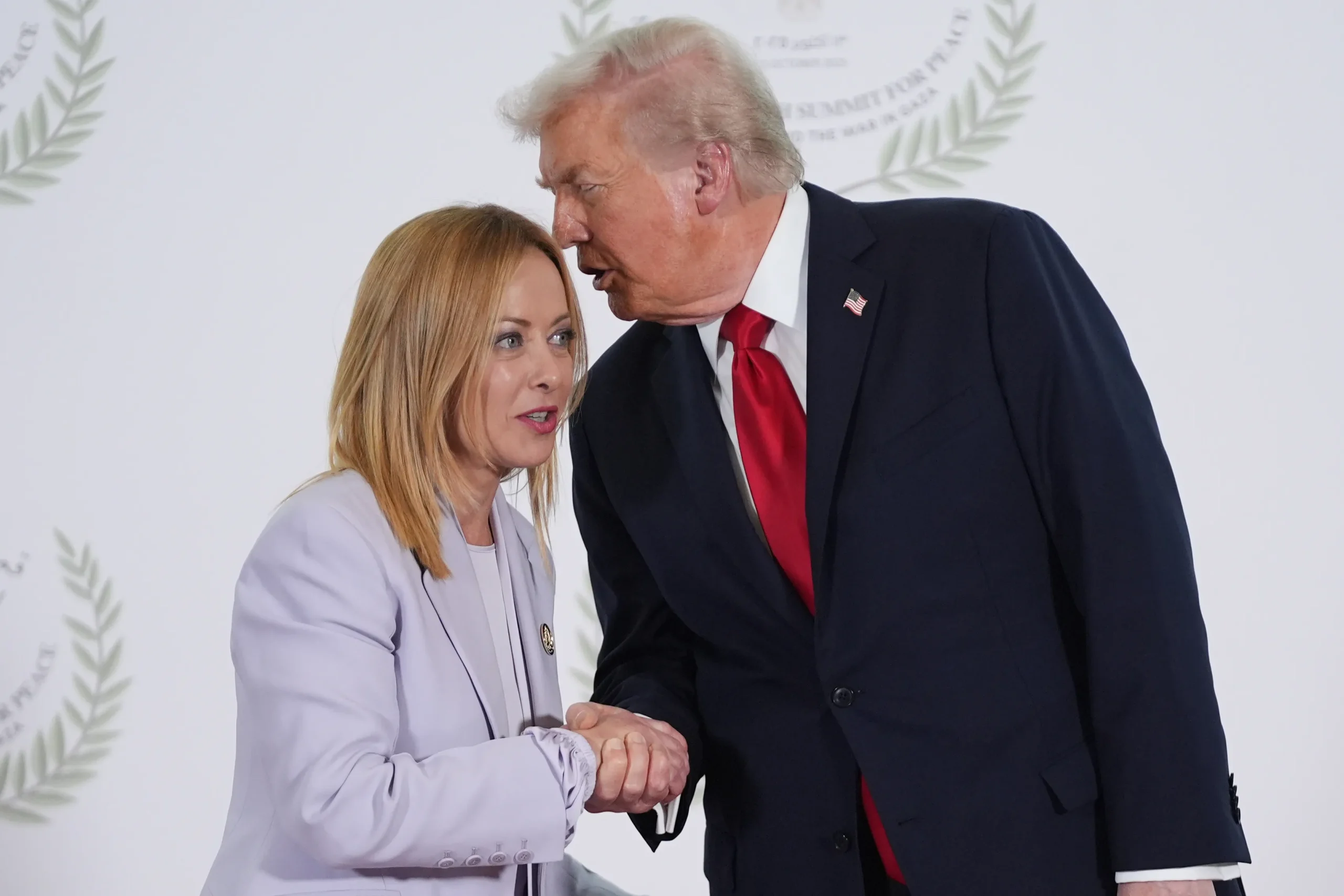
Provpnadvice.com – President Donald Trump has intensified his critique of Italian Prime Minister Giorgia Meloni, reinforcing his claim that she sought a photo opportunity with him at the Group of Seven (G7) summit earlier this week. The dispute, which has resurfaced in recent days, highlights a growing rift between the two leaders despite their previous cordial interactions. Trump’s latest remarks, posted on Truth Social, accuse Meloni of prioritizing personal image over diplomatic resolve, a charge that has sparked a sharp response from the Italian government.
The G7 summit, held in Évian-les-Bains, France, brought together world leaders to discuss pressing global issues, including conflicts and international cooperation. While Meloni and Trump had maintained a friendly rapport in the past, their relationship has recently become strained over disagreements regarding military actions in the Middle East. The Italian leader’s comments on Iran, particularly her defense of the Vatican’s stance and concerns about an attack on an Iranian school, have drawn sharp criticism from the U.S. president.
In a Saturday morning post on Truth Social, Trump reiterated his accusation that Meloni “begged” for a photograph with him during the summit. He framed this as evidence of her opportunism, suggesting she was more interested in boosting her public image than in aligning with American policy. “Italian Prime Minister Giorgia Meloni asked, over and over, for a picture with me during the G-7 meeting in France,” he wrote, emphasizing her repeated requests. This narrative positions her as lacking conviction in her political decisions.
“Because she turned down” his administration’s calls for European allies to support U.S. military efforts against Iran, Trump argued. He claimed Meloni’s poor popularity ratings in Italy were a direct result of her reluctance to back American initiatives. “Now, after the United States defeated Iran militarily, she wants to be friends again in order to get her ‘numbers up.’ No thanks!!!” the president added, accusing her of shifting alliances for political gain.
Meloni, however, has dismissed Trump’s claims as exaggerated and politically motivated. In a video shared on social media, she called his portrayal of their G7 encounter “completely fabricated,” expressing surprise at his insistence on framing her actions as self-serving. “I do not know why the president of the United States behaves this way toward his allies — it is certainly not the first time this has happened,” she stated, highlighting the recurring nature of Trump’s criticism.
The prime minister also took aim at Trump’s focus on popularity metrics, arguing that his emphasis on public approval ratings oversimplifies the complexities of international diplomacy. “It is regrettable that he does not show the same determination against the enemies of the West and the United States — against leaderships with whom he actually proves to be much more accommodating,” she added, suggesting Trump’s approach to alliances is inconsistent and selective.
Trump’s accusations have had immediate repercussions on the Italian government’s schedule. On Friday, Italian Foreign Minister Antonio Tajani canceled a planned visit to the United States, citing the dispute as a reason. In a social media post, Tajani criticized Trump’s “serious and offensive words” about Meloni, stating that they “offend all of Italy.” This decision underscores the growing tension between the two nations and signals a potential shift in their diplomatic approach.
Despite the fallout, the G7 summit itself was a platform for collaborative discussions, with leaders addressing challenges such as climate change, economic stability, and regional security. Meloni’s participation in these talks, however, has been overshadowed by the controversy. Her defense of the Vatican’s position on the Iran conflict and her concerns about civilian casualties have been used by Trump to question her commitment to Western unity.
The incident reflects a broader pattern of Trump’s rhetoric toward European allies, where he often frames their actions as either supportive or opportunistic. In this case, the focus on the G7 photo has become a symbolic battle, with each leader using the moment to assert their narrative. Meloni’s insistence on maintaining her position, even as she distances herself from Trump, has been framed by the U.S. president as a lack of solidarity.
Analysts note that the dispute is not merely about a single photo but about deeper ideological differences. Trump’s administration has pushed for stronger military collaboration with European allies, particularly in the context of the Iran war, while Meloni has advocated for a more balanced approach that considers humanitarian concerns and diplomatic sensitivities. This divergence has created a backdrop for their public exchange, with both leaders leveraging social media to amplify their messages.
Meloni’s defense of the Iranian school attack, which occurred earlier this year, has been central to her argument. She argued that the incident, which resulted in the deaths of several civilians, demonstrated Iran’s aggressive tactics and warranted a measured response. By highlighting this event, she aimed to justify her skepticism toward U.S. military actions, even as Trump claimed it was a victory for American forces.
Meanwhile, the Vatican’s criticism of the Iran conflict has added another layer to the debate. Meloni’s alignment with the Pope’s stance, which emphasizes the protection of religious institutions, has been used by Trump as evidence of her insensitivity to American priorities. “She turned down” U.S. requests for European support, he claimed, which he attributed to her desire to appease Iran rather than stand with her allies.
The ongoing tension between Trump and Meloni has also raised questions about the future of U.S.-Italy relations. While both nations share common interests in countering global threats, the dispute over the G7 photo has exposed differences in their diplomatic strategies. Tajani’s cancellation of the planned visit is seen as a symbolic gesture, reinforcing Italy’s stance against what it perceives as unwarranted American criticism.
As the situation unfolds, the debate over Meloni’s actions and intentions continues to gain traction in international media. Trump’s focus on her popularity ratings suggests a broader strategy of using public opinion as a tool to pressure allies, while Meloni’s defense of her policies highlights her commitment to national sovereignty and humanitarian values. The incident has not only strained their personal relationship but also served as a microcosm of the challenges in transatlantic diplomacy.
With the G7 summit behind them, the fallout from the photo dispute remains a point of contention. The public exchange between the two leaders, amplified by social media, has shifted the focus of their interactions from cooperation to confrontation. As the international community watches the evolving dynamics, the implications for global alliances and the Iran conflict continue to be debated, underscoring the importance of maintaining strong diplomatic ties even amid disagreements.