DOJ uses alleged UFC plot to argue for Trump ballroom

DOJ Uses Alleged UFC Plot to Argue for Trump Ballroom
Senior DOJ Official Highlights Security Need
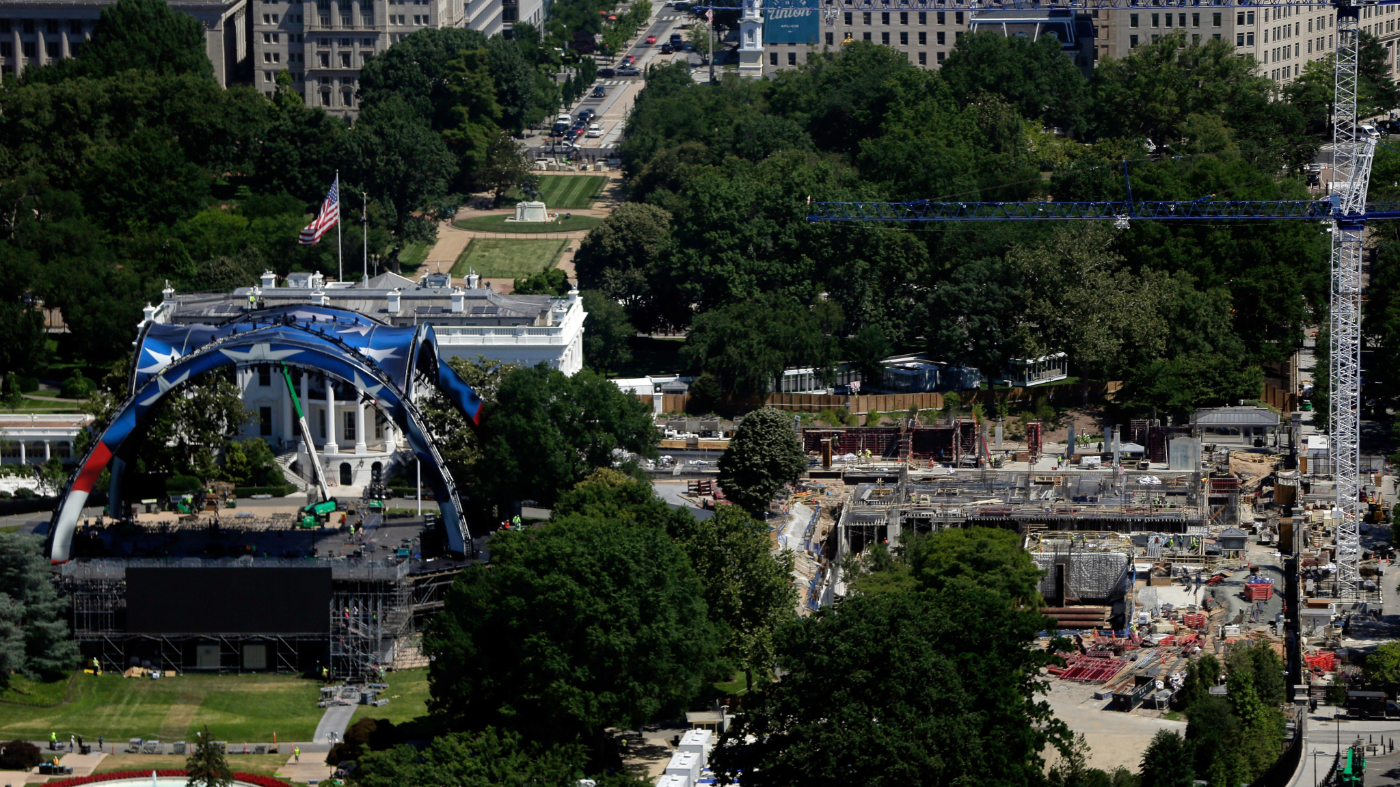
Provpnadvice.com – Following the thwarting of an attempted attack on an outdoor UFC event at the White House, a senior Department of Justice (DOJ) official has presented this incident as further evidence supporting the necessity of President Trump’s proposed ballroom. During a recent appearance before a federal appeals court, Brett Shumate, assistant attorney general for the DOJ’s Civil Division, emphasized the strategic importance of the sprawling facility located on the site of the former East Wing.
“The Ballroom’s mass and height will shield the White House grounds from attack, and give the Secret Service the visibility needed to identify attackers,” he wrote in a letter to the D.C. Circuit Court of Appeals.
According to the DOJ, the attack was prevented by federal authorities in collaboration with law enforcement agencies across multiple states. FBI Director Kash Patel shared the news on social media, confirming that the threat had been neutralized before it could materialize. The incident occurred during the UFC Freedom 250 event, which took place on the White House grounds over the weekend.
Alleged Plot Details and Suspects
Officials revealed that five individuals have been arrested and charged in recent days for their involvement in the alleged assassination scheme. The suspects were reportedly targeting Republican lawmakers and other attendees at the event, aiming to cause chaos through coordinated attacks. The plan, as described by the DOJ, involved deploying drones equipped with explosives in and around the venue to create a diversion.
Once the crowd was forced to evacuate, the attackers intended to use snipers to strike high-value targets within the fleeing masses. This method of attack was designed to maximize damage while minimizing the risk of detection. The DOJ has provided detailed accounts of the suspects’ intentions, framing them as a direct threat to presidential security and national interests.
Ballroom’s Defensive Features
Shumate’s letter outlines the specific security advantages of the planned 90,000-square-foot ballroom. He stated that the facility would incorporate a range of advanced defenses, including a highly sophisticated Drone Port and Sniper Nests. These features, along with a steel drone-proof roof and missile-resistant columns, are intended to create a formidable barrier against potential threats.
Additionally, the ballroom would feature bullet- and ballistic-proof windows, ensuring that any incoming projectiles are absorbed without causing harm. The DOJ argues that these elements collectively form a critical strategic defense system, one that could prevent similar incidents from occurring in the future. The official’s comments highlight the urgency of the project, particularly in light of recent security challenges.
Legal Battle Over the Ballroom Project
The proposed ballroom has become a focal point in a broader legal dispute involving the National Trust for Historic Preservation. This organization has contested the project, asserting that it violates constitutional principles and threatens the historical integrity of the White House site. The Trump administration, however, has consistently defended the project, citing the need for enhanced security measures.
In late March, a federal judge temporarily halted the construction of the ballroom, ruling that the administration lacked the authority to proceed without congressional approval. This decision sparked a renewed effort to justify the project, with the DOJ arguing that the ongoing threat to the presidency necessitates immediate action. The court’s pause has since been lifted, allowing the construction to continue on a provisional basis.
Recent Court Developments
A three-judge panel, composed of members appointed by each of the three most recent U.S. presidents, has taken up the case to evaluate whether the ballroom project can be formally authorized. The panel heard oral arguments earlier this month, and a decision is yet to be reached. This legal process underscores the significance of the project and its potential impact on the administration’s authority.
Shumate’s argument in the letter aligns with the DOJ’s broader stance in previous court filings. He reiterated that the ballroom would provide a secure environment for major events, particularly in contrast to the temporary structures currently used. “It will protect the President and guests at major events that are currently held in ‘plastic tents that cannot even protect highly esteemed guests from inclement weather, let alone high caliber bullets or kamikaze drones,’ —exactly the attack that this Sunday’s would-be assassins plotted to launch,” he noted in the letter.
The use of the UFC attack as a precedent highlights the administration’s push to frame the ballroom as an essential infrastructure upgrade. This justification comes amid growing concerns about the vulnerability of the White House to various forms of terrorism and cyber threats. The DOJ’s position is that the ballroom’s features are not just a response to recent events but a proactive measure to safeguard the nation’s leadership.
Historical Context and Public Debate
The controversy surrounding the ballroom project has drawn attention to the broader debate on presidential security and the balance between historical preservation and modern defense needs. While some view the facility as a necessary investment, others argue that it represents a departure from the architectural heritage of the White House. This tension is evident in the legal battles and public discourse that have emerged around the project.
Despite the National Trust’s constitutional arguments, the DOJ maintains that the threat posed by the recent attack necessitates a more robust solution. The court’s temporary approval of the construction allows the administration to proceed while the legal arguments are scrutinized. This decision could set a precedent for future presidential security initiatives, potentially influencing how similar projects are justified and implemented.
As the federal appeals panel continues its evaluation, the ballroom project remains a symbol of the administration’s commitment to prioritizing security. The DOJ’s repeated references to the UFC incident underscore its role in shaping public perception and legal arguments. The outcome of this case may determine the future of the White House’s security infrastructure and its ability to defend against evolving threats.