Great Britain risks new battle with Trump over social media ban

Great Britain Risks New Battle with Trump Over Social Media Ban
Provpnadvice.com – Great Britain’s recent initiative to restrict social media access for children under 16 has reignited diplomatic friction with the Trump administration, highlighting persistent disagreements over digital regulation. The policy, which aims to shield young users from online dangers, has drawn criticism from U.S. officials who argue it could undermine free speech and impose additional challenges on American tech firms. This development underscores the growing divide between the UK’s approach to internet safety and the Trump-led U.S. stance on minimal government oversight.
UK Moves Forward Despite U.S. Opposition
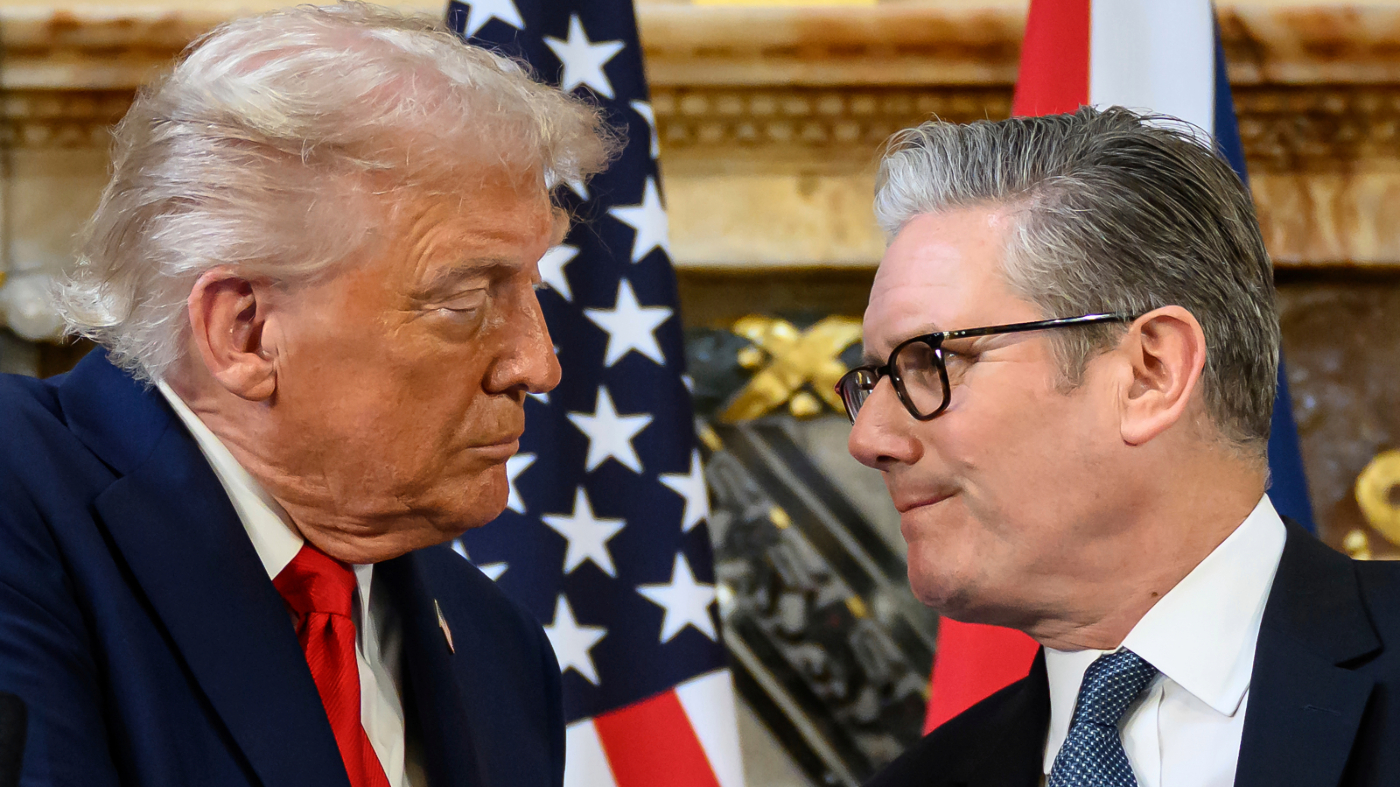
Prime Minister Keir Starmer announced this week that the UK is proceeding with the ban, a decision made just days after the White House expressed concerns about the measure. The U.S. government, through its embassy in London, warned that the policy might create significant compliance challenges for American companies and threaten the openness of the internet. Starmer, however, emphasized the necessity of the rule, framing it as a proactive step to safeguard children’s well-being in the digital age.
According to Starmer, the ban represents a key part of the UK’s broader strategy to enforce digital regulations. He acknowledged potential backlash from Trump, who has previously criticized similar measures in other countries, but remained steadfast in his position. The prime minister stated that world leaders must prioritize child protection, even if it means differing opinions on the specifics of implementation. “There will always be debate about the exact boundaries of these rules,” he noted, “but that doesn’t make them problematic.”
Global Context and Debate
Starmer’s decision places the UK among a growing number of nations seeking to limit young users’ exposure to social media. The country is now the fifth to implement such a comprehensive ban, following Australia, Indonesia, and others who have taken similar steps. The policy will be introduced in Parliament later this year and will apply to platforms like YouTube, Instagram, Facebook, TikTok, and X. Unlike some other nations, the UK’s approach extends beyond content restrictions, incorporating limitations on features such as gaming and livestreaming to reduce the risk of contact with strangers.
Notably, messaging services like WhatsApp and Signal will remain exempt from the ban, a distinction that highlights the nuanced nature of the regulation. While the UK’s focus is on preventing direct interaction between children and adults online, it also seeks to address the broader issue of digital safety. The policy aligns with the government’s push for stricter oversight of technology companies, a position that has drawn scrutiny from U.S. allies and critics alike.
International Alliances and Tensions
Feakin, the former Australian ambassador for cyber affairs, described the UK’s move as a “deliberate signal” that London is prepared to establish its own rules on internet safety. He pointed out that while the Trump administration has historically favored light-touch regulation, other nations in the G7 and beyond are adopting more stringent measures. This contrast is evident in the recent G7 agreement on online safety principles, which was signed last month by digital ministers from member countries.
Feakin remarked that the U.S. has become an outlier in its approach to child safety, as countries like Australia and France advance legislation to restrict social media access for younger users. The U.S. Embassy in London, in a statement last week, defended the openness of the internet, asserting that political speech and other content should remain accessible by default. However, this stance appears to diverge from the perspectives of some of the UK’s closest allies, who see the need for stronger protections against harmful content and digital risks.
The UK’s ban is part of a broader effort to address concerns about children’s online behavior, including their susceptibility to addiction and exposure to harmful material. While Starmer has dismissed the free-speech argument, he has also questioned the willingness of others to support the policy. “How many people in this room are prepared to defend adult strangers contacting children online?” he challenged reporters, emphasizing that the dangers of unregulated interaction are real and require action.
Broader Implications for Digital Regulation
Starmer’s decision to proceed with the ban despite U.S. objections reflects the UK’s determination to shape its own digital landscape. The policy is expected to set a new precedent for other nations, particularly those grappling with similar issues of online safety. By implementing a comprehensive ban, the UK aims to create a framework that balances innovation with protection, a goal that has been complicated by the Trump administration’s preference for deregulation.
The White House’s response to the UK’s move has been consistent with its broader strategy to minimize government intervention in the tech sector. While the administration acknowledges the importance of child safety, it has advocated for a more flexible approach, urging parents to take primary responsibility for managing their children’s digital habits. This strategy, however, contrasts with the UK’s proactive regulatory measures, which include direct restrictions on platforms rather than relying solely on parental oversight.
Feakin highlighted the significance of the UK’s ban as a “line in the sand,” signaling a shift toward stricter rules for online safety. He noted that tech giants, such as those operating in the UK, had been given opportunities to address these concerns but had failed to do so. This failure, according to Feakin, has prompted governments to take independent action, ensuring that children are protected from online threats regardless of corporate compliance.
Historical Precedents and Future Outlook
Australia was the first country to enact a similar ban, introducing legislation in late 2023 that limits access for users under 15. Indonesia followed suit, joining the UK, France, and others in implementing measures to protect young users. Brazil and Canada are also considering similar laws, indicating a global trend toward tighter digital regulations. However, the UK’s approach is distinct in its scope, applying restrictions not only to content but also to the features of social media platforms.
Starmer’s government has positioned the ban as a necessary step in the fight against online harms, but it has also faced criticism from those who believe it could lead to overregulation. The White House, in particular, has warned of the potential consequences, including retaliatory tariffs on UK goods. This tension is further complicated by the Trump administration’s recent comments on the role of artificial intelligence and social media in shaping public opinion, which suggest a continued focus on minimizing governmental influence in these areas.
Despite these challenges, Starmer remains committed to the policy, arguing that the benefits of protecting children outweigh the risks of conflict. He has emphasized that the ban is a logical extension of the UK’s efforts to create a safer online environment, even as it challenges the Trump administration’s vision of digital freedom. “We know what happens when adults interact with children online without limits,” he stated, underscoring the urgency of the measure.
The debate over social media regulation continues to shape international relations, with the UK and the U.S. serving as key players in this evolving landscape. As more nations adopt similar policies, the pressure on tech companies to adapt to diverse regulatory frameworks is likely to increase. This shift could have long-term implications for how digital platforms operate globally, potentially leading to a more fragmented approach to internet governance.
Conclusion and Ongoing Challenges
While the UK’s social media ban for under-16s marks a significant step in digital regulation, it also highlights the challenges of aligning national priorities with international cooperation. Starmer’s decision to proceed despite U.S. objections demonstrates the UK’s resolve to prioritize child safety, even if it risks a new confrontation with the Trump administration. As the policy moves forward, the focus will remain on its effectiveness in reducing online risks and its impact on the broader debate over digital freedom versus regulation.
Feakin’s comments suggest that the UK’s approach may influence other nations to follow suit, creating a more unified front in the fight against online dangers. However, the U.S. remains a key counterpoint, advocating for a model that emphasizes accessibility and minimal intervention. The outcome of this ongoing dialogue will likely shape the future of digital policy, with the UK’s ban serving as a pivotal moment in the global effort to protect children in the digital age.