Here’s what’s in Trump’s reported 14-point MOU with Iran

Trump’s Iran Agreement Details Revealed in 14-Point Memorandum
Provpnadvice.com – President Donald Trump initially stated that the text of the agreement to conclude the Iran war would not be made public until it was officially signed by representatives of Washington and Tehran on Friday. However, media outlets such as Bloomberg and CNN have reported that they have acquired the 14-point memorandum of understanding (MOU), which outlines the terms of the deal. This development has sparked discussions about the extent to which the MOU reflects the actual agreement or is merely a draft. White House communications director Steven Cheung clarified Wednesday that the published text “does not reflect the language of the actual MOU,” suggesting discrepancies between the public version and the finalized document.
Key Provisions of the MOU
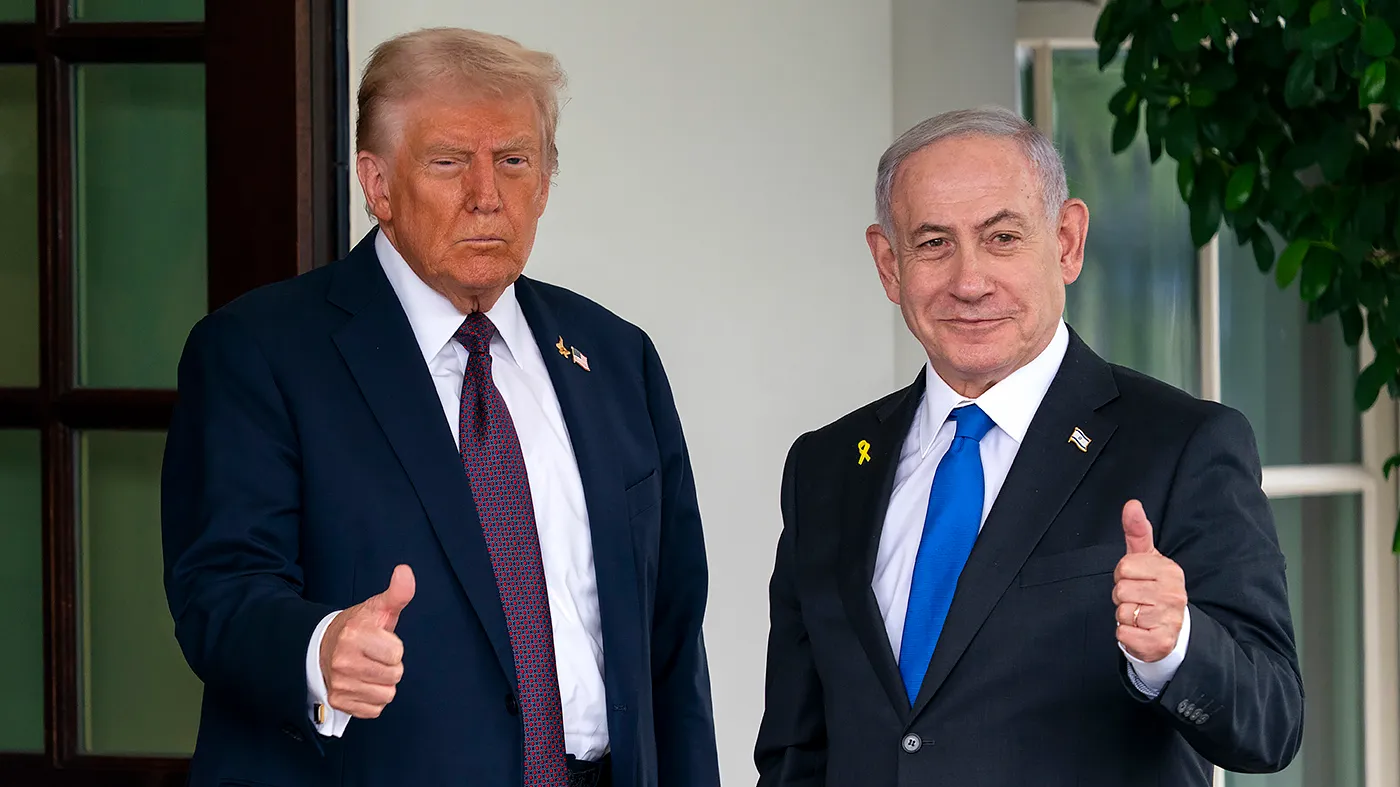
The agreement aims to halt hostilities on “all fronts,” including Lebanon, where Israel has been targeting Hezbollah—a prominent Iranian-backed militia controlling much of the country’s southern region. This provision is likely to intensify tensions with Israeli Prime Minister Benjamin Netanyahu, who has been excluded from the negotiations between the U.S. and Iran. While Israel insists it will not withdraw troops from its border regions with Lebanon and retains the right to defend itself against Hezbollah, the MOU leaves the specifics of these commitments to be resolved in the final deal.
Under the terms of the MOU, both sides agree to restore shipping through the Strait of Hormuz to prewar levels within 30 days of the agreement’s signing. The U.S. will lift its naval blockade immediately, while Iran pledges to remove “technical obstacles” and neutralize mines in the waterway. These measures are intended to secure the region’s critical trade routes, which have been a focal point of international concern during the conflict. However, the MOU does not explicitly prohibit Iran from imposing tolls on ships after the 60-day negotiation window closes, leaving room for potential disputes.
Economic Measures and Sanctions
A significant component of the MOU involves a $300 billion reconstruction fund for Iran, to be financed by the U.S. and its regional allies. The implementation of this fund will be determined as part of the final agreement, though Trump emphasized that the U.S. would not directly contribute to it. He noted that while he could not prevent other countries from investing in Iran, the plan is designed to provide economic relief to the nation. Critics argue this could enable Iran to rebuild its military infrastructure without making concessions on its nuclear program.
The MOU also outlines the immediate lifting of certain sanctions. Washington will take steps to allow Iran to resume oil exports globally, with the Treasury Department issuing waivers for crude oil, petrochemical products, and related services such as banking and insurance. These actions are expected to ease Iran’s financial strain, but the agreement maintains the “status quo” on nuclear activities, allowing Iran to continue enriching uranium. The final deal will address Iran’s stockpile of weapons-grade uranium and other nuclear-related issues, but the initial provisions leave these details to be finalized later.
United Nations and Congressional Role
Both the U.S. and Iran have agreed that any final agreement will be approved via a binding resolution of the United Nations Security Council. Trump reiterated this requirement, stating Tuesday that he would submit the deal to Congress for approval. This process mirrors the one used for the Obama-era Joint Comprehensive Plan of Action (JCPOA), which was also endorsed by the U.N. Security Council and subjected to congressional review under the Iran Nuclear Agreement Review Act.
Despite the MOU’s emphasis on nuclear cooperation, Iran reiterates its commitment to not producing nuclear weapons, a pledge similar to the one made under the JCPOA. However, the current agreement is framed differently, with the U.S. and Iran negotiating a new framework rather than reaffirming the previous one. Trump has stated that this provision achieves “99.9 percent” of his goal to prevent Iran from acquiring nuclear capabilities, though some analysts argue the lack of explicit restrictions on uranium enrichment could still allow Iran to advance its nuclear program.
Implications and Controversies
The agreement’s structure has drawn mixed reactions. While the immediate cessation of hostilities is seen as a positive step, the delayed resolution of key issues has raised concerns. Critics point out that the MOU allows for flexibility in the final deal, with provisions extendable by mutual consent. This could create ambiguity in the timeline for Iran’s concessions, particularly regarding its nuclear ambitions and regional military operations.
One of the most contentious aspects is the handling of Iranian funds. The MOU states that the U.S. will unfreeze assets held abroad as negotiations progress, giving Washington discretion over when to release the money. This contrasts with the previous JCPOA, which tied financial relief to specific compliance measures. With no restrictions on how the funds could be used, some fear this provision may allow Iran to invest in military capabilities while maintaining its nuclear program.
Trump has also warned that the MOU is not a final deal, vowing to resume military action if Iran fails to “behave.” This statement underscores the political risks associated with the agreement, as the U.S. seeks to balance diplomacy with the need to safeguard national interests. Meanwhile, Israel has expressed reservations about the deal, emphasizing its right to defend against Hezbollah and its continued presence in Lebanese border regions. These concerns highlight the delicate interplay between the U.S. and its Middle Eastern allies in shaping the agreement’s terms.
The negotiation process itself has been marked by compromise and disagreement. While both sides have reportedly agreed in principle to an enrichment moratorium, they remain divided on its duration. This lack of consensus reflects the broader challenges in aligning Iran’s nuclear ambitions with U.S. strategic objectives. Additionally, the MOU’s emphasis on “mutual agreement” in certain areas suggests that the final deal will require careful balancing of interests, with both parties retaining leverage in key decisions.
As the agreement moves forward, its success will depend on the ability of the U.S. and Iran to resolve outstanding issues within the 60-day window. The outlined provisions provide a framework for immediate relief, but the long-term implications of the deal—particularly regarding Iran’s nuclear program and regional influence—will require sustained diplomatic engagement. With Trump’s administration prioritizing a faster resolution and reducing tensions, the MOU represents a significant step in the U.S.-Iran relationship, though its final impact remains to be seen.
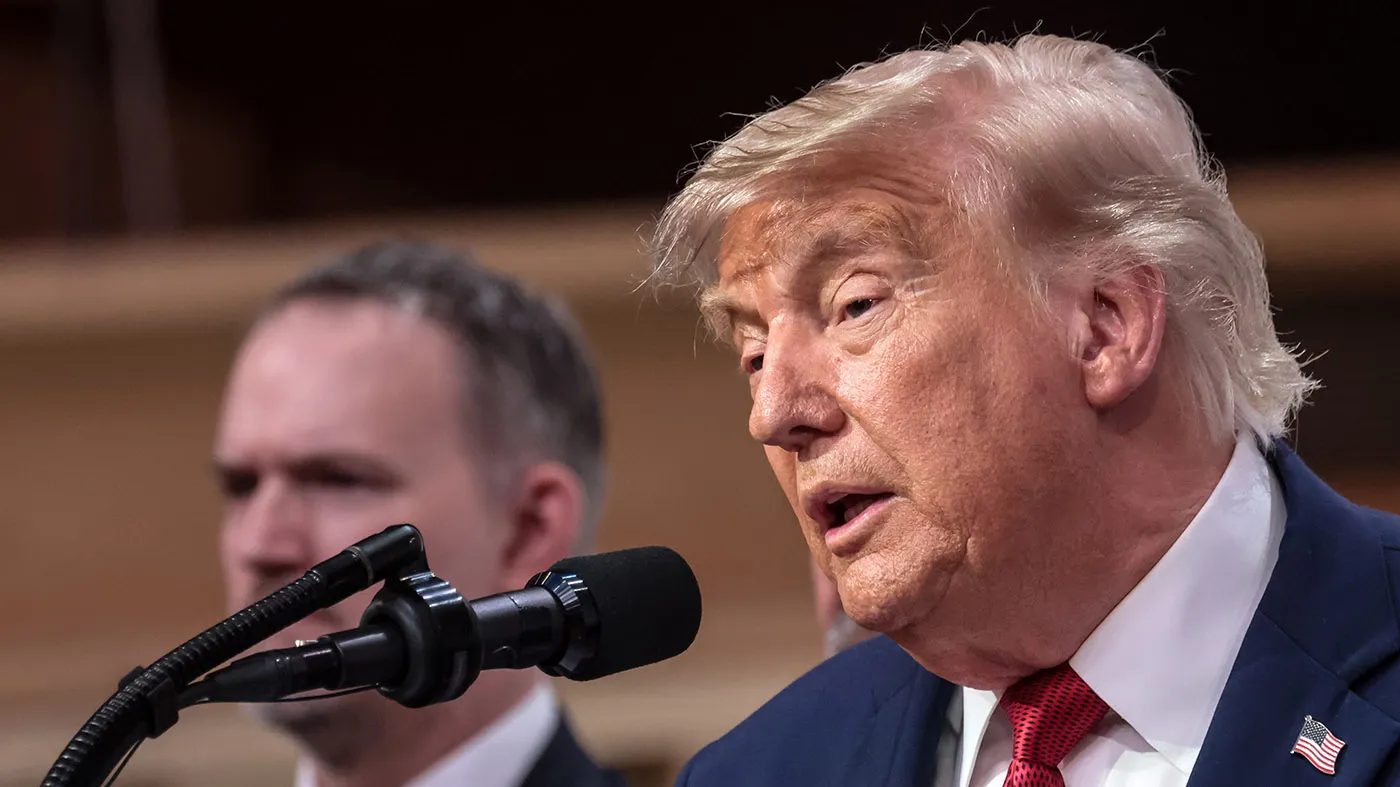
“This MOU achieves 99.9 percent of my goal to prevent Iran from obtaining a nuclear weapon,” Trump stated, highlighting the agreement’s focus on curbing Iran’s nuclear capabilities while addressing immediate military and economic concerns.
The document’s release has also reignited debates about the effectiveness of the previous JCPOA and the potential for a new, more tailored approach to Iran’s activities. By structuring the agreement around a 60-day negotiation period, the U.S. and Iran aim to create a framework that allows for adjustments based on evolving geopolitical conditions. Nonetheless, the question of whether this process will lead to a stable and enduring accord remains a subject of intense scrutiny and discussion among policymakers and analysts alike.