Independents prefer Democrats for congressional control by 12-point margin: Survey

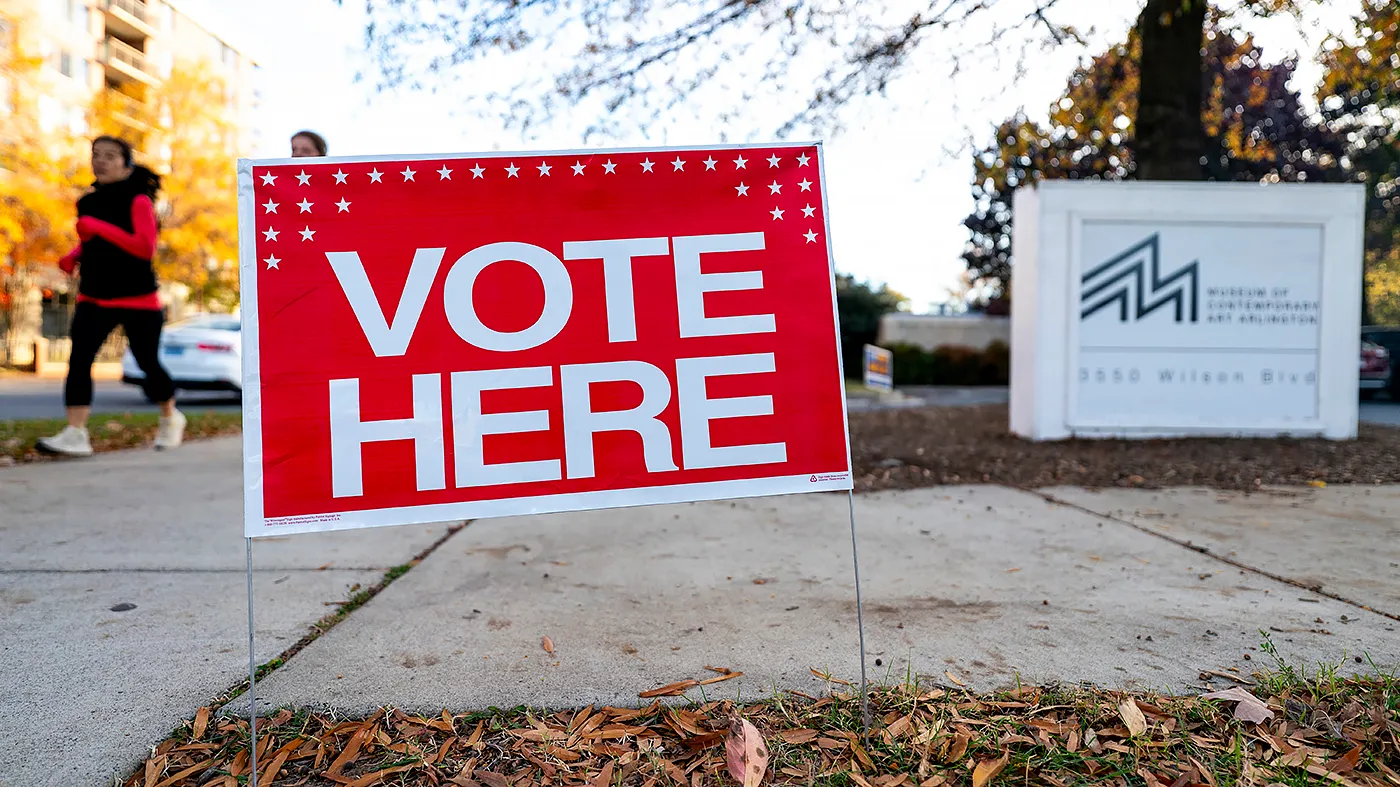
Independents Favor Democrats for Congressional Control: Survey
Provpnadvice.com – According to a recent survey, independent voters are showing a strong preference for the Democratic Party in the race for congressional control, with a 12-point lead in favor of Democrats. This indicates a pivotal shift in the political landscape, as these voters could be decisive in determining the outcome of the upcoming midterms. The data highlights how the Democratic Party’s appeal is gaining traction among non-partisan voters, who have traditionally been more difficult to sway.
Key Poll Findings
The latest NBC News poll reveals that 46% of independent voters prefer Democratic leadership, while 34% support Republicans. This 12-point gap is significant, especially as independents are often seen as the swing vote in congressional elections. Conducted between May 29 and June 7, the survey included 3,000 participants and had a margin of error of ±1.79 percentage points. When analyzing registered voters specifically, the margin of error slightly increased to ±2 percentage points, yet the trend toward Democratic favorability remained clear.
The broader electorate also reflects this trend, with 49% of registered voters expressing a desire for Democrats to hold power after the midterms. Republicans received 44% of the vote, and 7% were undecided. While the Democratic lead among independents is notable, the overall electorate is still closely contested, with the final outcome depending on how these voters ultimately decide to cast their ballots.
Republican Challenges and Strategic Shifts
With the midterms approaching, the Republican Party faces mounting pressure to secure congressional control. The Democratic lead among independents poses a challenge, as the GOP must navigate shifting public opinion and economic concerns to retain its majority. President Trump’s approval ratings have dropped to 40.8%, according to Decision Desk HQ, with disapproval reaching 55.9%. These figures signal a growing discontent with the administration, which could influence the independent voters’ decisions.
Independent voters are often critical of the status quo, and their support for Democrats suggests a broader realignment. Analysts note that the Republicans’ focus on foreign policy, such as the Iran war, may have overshadowed domestic issues that resonate more with this demographic. The 12-point margin in favor of Democrats highlights a clear preference, particularly in areas like healthcare, climate change, and economic policy, where the Democratic Party has effectively positioned itself.
Political Implications and Future Outlook
Experts warn that the next two years could be challenging for the Republican Party, especially if the current trend continues. Sen. John Cornyn (R-Texas) has predicted that Trump’s political career may face its toughest period following the midterms. This outlook is shaped by the growing support for Democrats from independent voters, who may have been swayed by the party’s policy priorities and messaging.
Political analysts suggest that the Democrats’ ability to attract independent voters could translate into significant gains in the House and Senate. The 12-point lead among this critical group is particularly striking, as it demonstrates a clear shift in public sentiment. If independent voters maintain their preference for Democrats, the GOP may struggle to hold onto its congressional majority, especially in key swing districts where their support is essential.
Independent Voters’ Role in Congressional Elections
Independent voters are a decisive force in congressional races, often tipping the balance in close elections. Their preference for Democrats in this survey underscores their importance as a voting bloc. With the current congressional majority relying heavily on independent support, this trend could lead to a substantial change in power dynamics. The data suggests that the Democrats’ campaign strategy to engage these voters has been successful, while the Republicans have yet to fully capture their attention.
The growing favorability of Democrats among independents is also attributed to their alignment with issues like economic stability and social programs. These priorities resonate with voters who are looking for practical solutions rather than ideological stances. As the election approaches, both parties will likely intensify their efforts to secure this group’s support, with the Democrats’ current lead offering them a strategic advantage in the race for congressional control.