Blanche begins confirmation process by meeting GOP Sen. Grassley

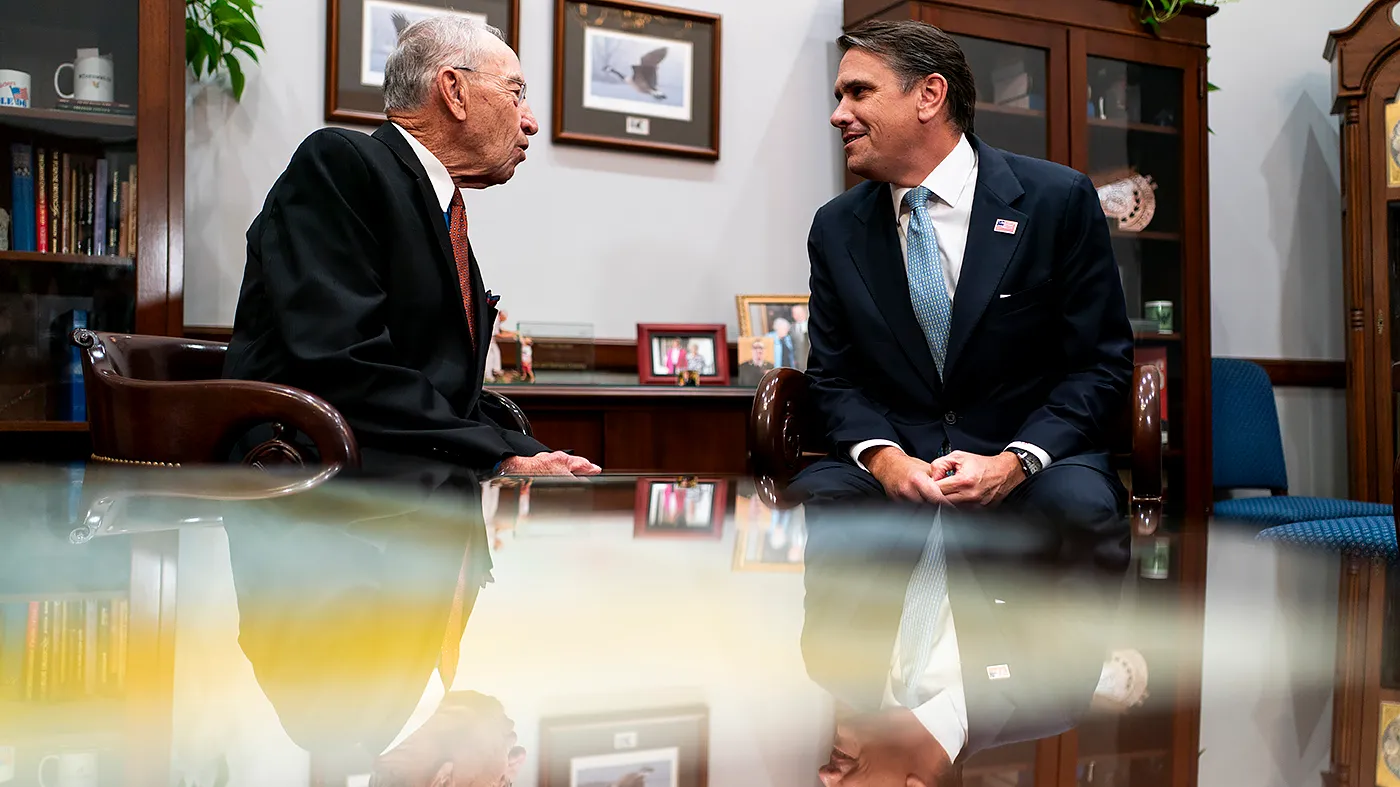
Blanche begins confirmation process by meeting GOP Sen. Grassley
Provpnadvice.com – On Monday, Todd Blanche, in his role as acting attorney general, commenced his confirmation process by engaging with Republican senators. This marked the beginning of a series of meetings aimed at securing his nomination for the permanent position of attorney general. The process, expected to span approximately a month, involves critical evaluations by key members of the Senate Judiciary Committee, which will oversee the final approval of his candidacy.
Grassley’s Initial Assessment
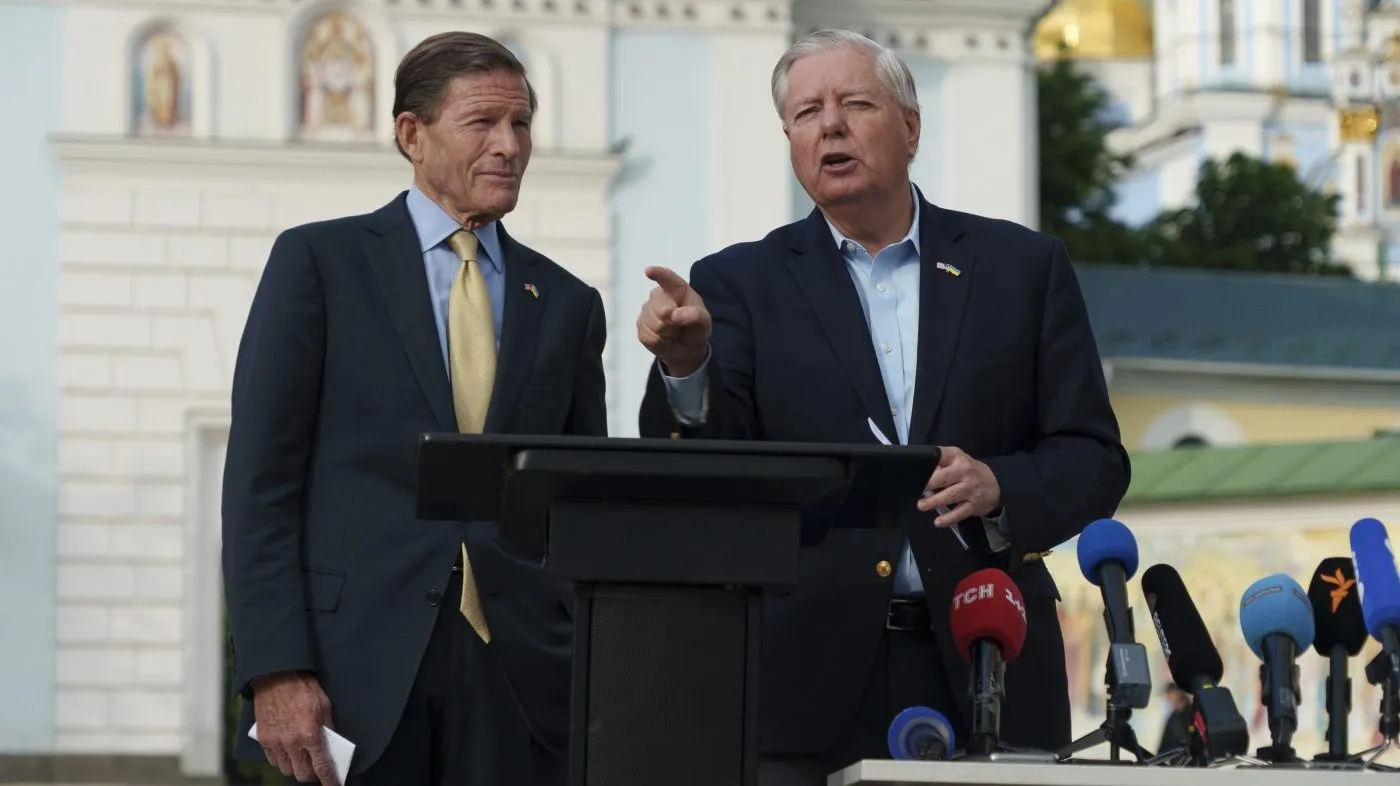
Sens. Chuck Grassley (R-Iowa) was the first senator Blanche met with as the head of the Senate Judiciary Committee. Grassley, who has been a central figure in the committee’s operations, is responsible for guiding the review of Blanche’s nomination. His meeting with Blanche is a strategic step in the broader vetting process, setting the stage for subsequent deliberations.
“I appreciated the opportunity to sit down again with Todd Blanche, who’s spent the last year and a half supporting President Trump’s mission of law and order as Deputy Attorney General and now Acting Attorney General,” Grassley stated. “Blanche is prepared to build on that success and continue working hard to keep American families safe as the next Attorney General.”
Grassley emphasized Blanche’s consistent alignment with Trump’s policies, particularly his advocacy for law and order. However, the senator also noted that the confirmation process requires more than just endorsements; it necessitates a thorough examination of Blanche’s qualifications and readiness for the role.
Oversight Concerns and Record Requests
Grassley revealed that he is still awaiting specific documents from the Department of Justice (DOJ) to address ongoing oversight inquiries. While he did not elaborate on the nature of these records, he stressed their importance in ensuring transparency and accountability for the American public.
“I expect Blanche to respond to my outstanding requests for records, so the American people get the transparency and accountability they deserve,” Grassley said.
The senator’s focus on records underscores the scrutiny surrounding Blanche’s tenure as acting attorney general. His involvement in the creation of the $1.8 billion “anti-weaponization” fund, which was proposed by Trump as a response to accusations that the DOJ had unfairly targeted certain individuals, has drawn attention. Although the fund was later withdrawn, its existence remains a point of discussion among committee members.
Critics Highlight Concerns
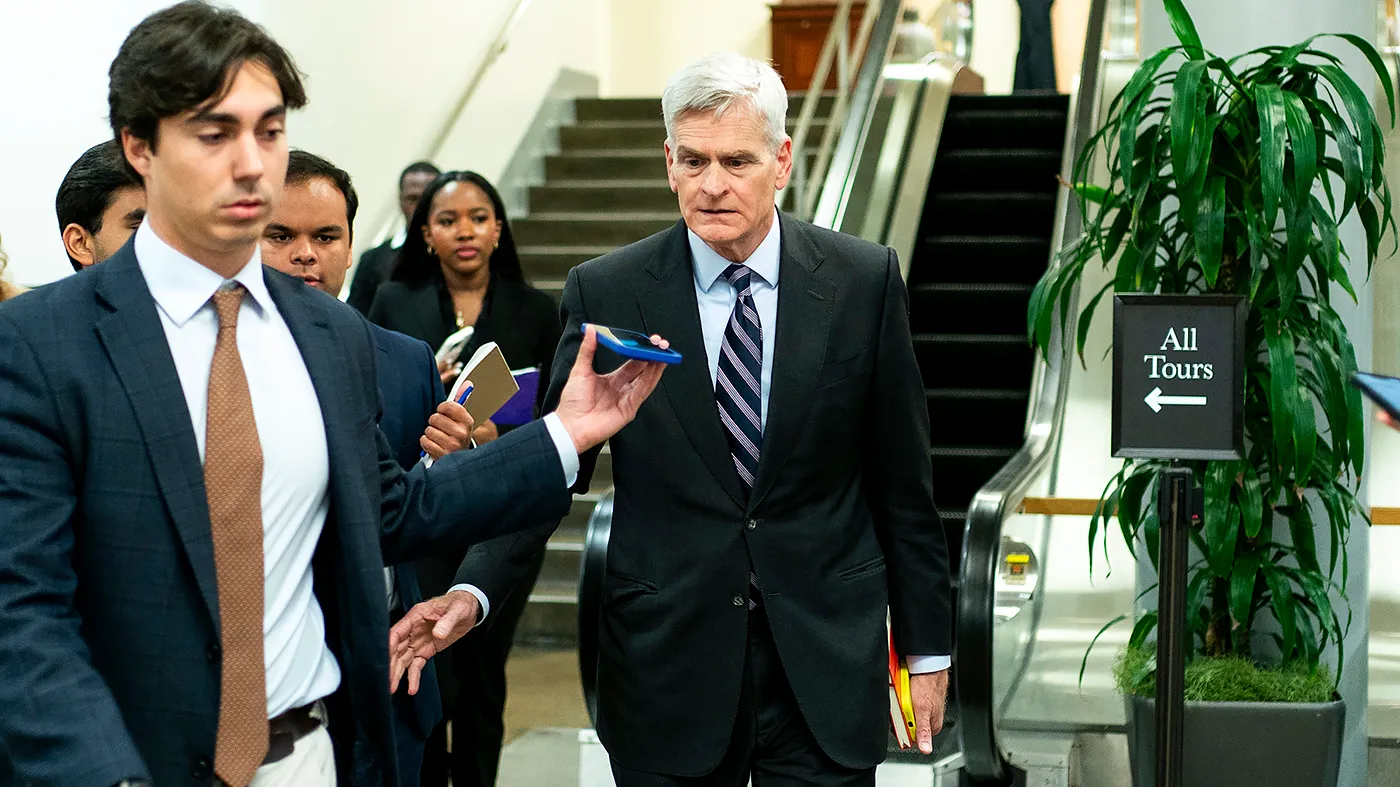
Despite Grassley’s positive remarks, some senators have raised questions about Blanche’s suitability for the role. Notably, Sens. John Cornyn (R-Texas) and Thom Tillis (R-N.C.), both of whom are set to leave the Senate at the end of their terms, have voiced reservations. Their positions on the Judiciary Committee make them pivotal in determining the outcome of Blanche’s nomination, with the potential to delay or block it if they disagree.
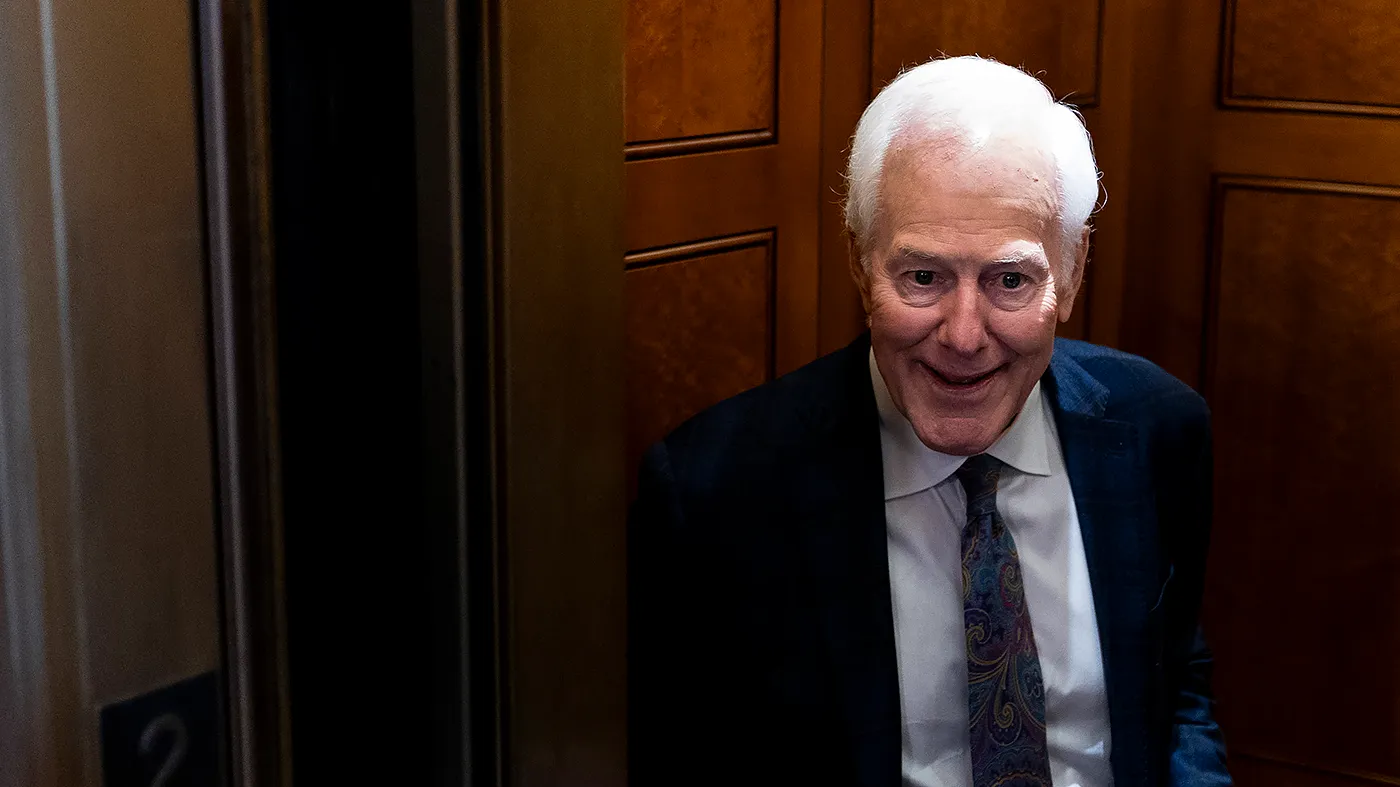
Cornyn, who holds the second-ranking position among Republicans on the committee, indicated that he plans to meet with Blanche later this week. During the meeting, he will assess whether Blanche can demonstrate his commitment to upholding the law independently of presidential influence.
“That he’ll follow the law,” Cornyn said, when asked what he’d like to hear from Blanche.
Cornyn reiterated his concerns regarding Blanche’s background as Trump’s personal lawyer. While acknowledging the importance of the role, he pointed out the unique challenges faced by the attorney general, who must balance loyalty to the administration with impartiality in legal matters. “Being AG is a unique job because you’re the president’s lawyer, you’re the chief legal officer for the United States, but you’re also a member of the president’s Cabinet, which means you could be fired at any time,” Cornyn explained to reporters. “So it’s maybe the hardest balancing act in the Cabinet. So I’m interested in hearing how he would approach the job, because he was President Trump’s lawyer at one time, but if he’s AG, he won’t be the president’s lawyer.”
Historical Context and Political Dynamics
Blanche’s nomination comes in the wake of a contentious debate within the Senate Republican Conference. Trump’s proposal to establish the $1.8 billion “anti-weaponization” fund was met with resistance from some Republicans who argued that the DOJ had overreached in its prosecutions. Blanche, as acting attorney general, had publicly endorsed the initiative, which has since become a focal point in discussions about his leadership and potential conflicts of interest.
Although the fund was withdrawn as a formal proposal, the controversy it generated has lingered. Cornyn and Tillis, both of whom have been vocal critics of the DOJ’s actions, have used this context to question Blanche’s independence. Their concerns are not limited to the fund but also extend to Blanche’s history as a Trump loyalist, where he often aligned with the administration’s legal strategies without independent oversight.
Upcoming Hearing Schedule
Grassley outlined the timeline for the confirmation process, stating that Blanche’s hearing before the full committee will take place in July. This hearing will be a critical moment, allowing senators to scrutinize his qualifications, past decisions, and ability to navigate the complexities of the attorney general role without political bias.
As the confirmation process unfolds, the Senate will closely watch Blanche’s interactions with committee members and his responses to the pending record requests. The outcome of his nomination will not only reflect his individual merits but also the broader ideological divides within the Republican Party regarding the DOJ’s role and the balance of power in the executive branch.
With key votes such as Cornyn and Tillis still in the mix, the confirmation process is poised to be a high-stakes affair. Grassley’s endorsement is valuable, but the committee’s final decision will depend on a combination of Blanche’s performance, the availability of records, and the political calculus of its members. As the meetings continue, the spotlight remains on Blanche’s ability to prove his dedication to the rule of law, regardless of his previous associations with the Trump administration.