Supreme Court declines to hear gun industry challenge to NY law

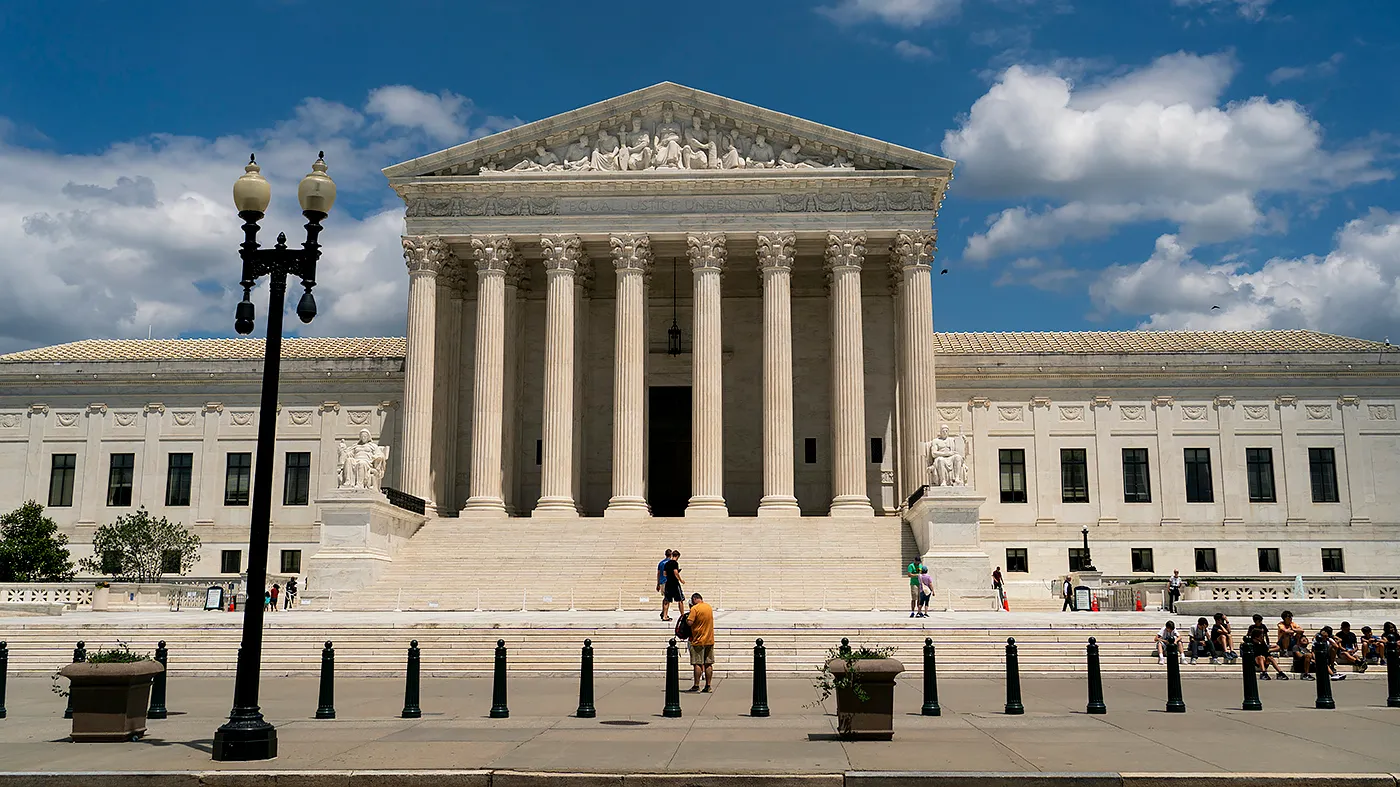
Supreme Court Declines to Take Up Gun Industry’s Challenge to New York Law
Provpnadvice.com – On Monday, the U.S. Supreme Court ruled against taking up a legal appeal from the gun industry concerning a New York statute that permits lawsuits against firearm producers and sellers for damages stemming from criminal or unlawful use of their products. The law, enacted in 2021, allows residents to seek compensation for harms linked to the misuse of guns by third parties, challenging the traditional immunity granted to manufacturers under federal law.
A Push to Expand Liability for Gun Manufacturers
The National Shooting Sports Foundation (NSSF), a major advocate for the firearms sector, attempted to escalate the issue by joining an appeal against a prior court decision. This effort was backed by prominent gun manufacturers such as Smith & Wesson, Ruger, Beretta, Glock, Sig Sauer, and Sturm, who collectively argued that the 2021 New York law undermines the 2005 federal Protection of Lawful Commerce in Arms Act (PLCAA). The PLCAA shields gun companies from most civil lawsuits, preventing them from being held accountable for damages caused by the criminal or unlawful actions of others.
According to the appeal, the New York law creates a pathway for victims of gun-related incidents to pursue legal action against manufacturers and dealers. This could mean holding companies responsible for the consequences of gun misuse, even if they were not directly involved in the criminal act. The NSSF and its allies contend that this approach would shift liability away from the individuals who commit crimes and onto the companies that produce the weapons, effectively rewriting the balance of responsibility in gun-related cases.
Legal Arguments and Industry Concerns
Mark Oliva, a spokesperson for the NSSF, highlighted the group’s belief that criminals should bear the brunt of blame for harm caused by their unlawful actions. In a statement provided to Reuters, Oliva noted, “NSSF sincerely believes that those criminals who illegally misuse lawful products should be held responsible for the harms they cause when they commit their crimes.” He further drew a comparison to the automotive industry, suggesting that holding gun manufacturers accountable is similar to expecting Ford Motor Company to be liable for accidents caused by drunk-driving.
“Holding the firearm industry responsible for the criminal misuse of a firearm is akin to holding Ford Motor Company responsible for damages from drunk-driving crimes,” Oliva added.
The argument presented by the gun industry centers on the idea that the 2021 law allows for an overly broad interpretation of liability, which could lead to excessive lawsuits against manufacturers. This, they claim, would make the PLCAA obsolete, as the new state law effectively replaces the federal protection with a more stringent standard. The industry’s legal team emphasized that the PLCAA was designed to protect businesses from being targeted in civil cases unless the misuse was directly tied to their negligence or intent.
Support from Conservative Lawmakers
Conservative lawmakers from New York, including Claudia Tenney and Nick Langworthy, submitted a legal brief in favor of the gun manufacturers. Their support underscores a growing concern among some legislators about the potential for the New York law to create a precedent that could be used against other industries. The brief argues that the law’s broad language allows for sweeping interpretations that could encroach on the rights of businesses to operate without undue liability.
By backing the appeal, these representatives aim to prevent the New York law from setting a new standard for holding manufacturers accountable. They stress that the law’s provisions could lead to a domino effect, with other states potentially enacting similar measures to target gun companies. This, they believe, would not only burden the firearms industry with significant legal costs but also discourage innovation and investment in the sector.
State-Level Advocacy and Public Safety
Despite the industry’s concerns, the New York Attorney General, Letitia James, defended the law as a necessary measure to protect public health and safety. James pointed out that even under the PLCAA, gun companies can still be held responsible for certain harms, particularly when they fail to take reasonable steps to prevent misuse. She stated, “Even under the 2005 federal law, gun industry members can be held liable for the downstream acts of third parties in some circumstances.” This assertion emphasizes that the New York law does not completely negate federal protections but instead strengthens them by addressing gaps in the existing framework.
Democratic State Senator Zellnor Myrie, the author of the 2021 statute, reiterated the law’s purpose in a statement released by a local New York outlet. Myrie argued that New York has a duty to safeguard its residents, and that any industry, including the gun sector, must contribute to that goal. “New York has an obligation to protect the health and safety of every resident,” Myrie said. “Any industry—whether it’s in manufacturing or another field—must take reasonable steps to ensure the well-being of the people it serves.”
The debate over the law reflects a broader tension between public safety and business liability. While critics warn that the New York law could lead to a surge in lawsuits against gun manufacturers, supporters maintain that it provides a critical tool for victims to seek justice. The Supreme Court’s decision to decline the appeal means the law will remain in effect, at least for now, as it stands as a potential model for other states considering similar legislation.
As the legal battle unfolds, the implications of the New York law extend beyond the courtroom. It raises questions about the future of the PLCAA and the extent to which gun manufacturers can be held accountable for the misuse of their products. The outcome of this case could influence how courts interpret liability in future gun-related incidents, shaping the balance between industry protection and consumer rights in the years to come.