
Middle East conflict: Do US voters back Trump’s Iran war?
Middle East conflict: Do US voters back Trump’s Iran war?
The US military campaign against Iran has triggered a surge in fuel costs and inflationary pressures. As the conflict escalates, public sentiment appears divided, particularly among supporters of former President Donald Trump. While his base remains largely aligned with his foreign policy stance, the war’s economic toll may test that loyalty.
From Peace to War
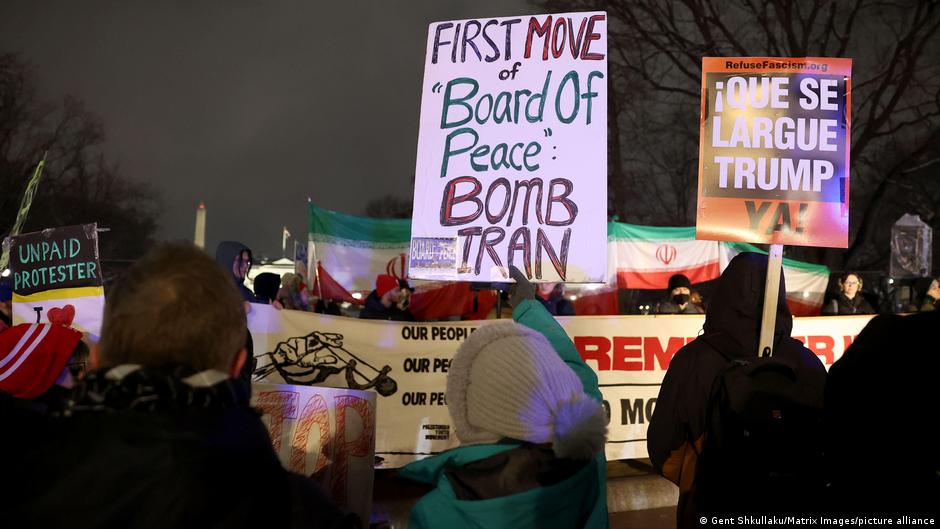
Before the recent strikes, Trump positioned himself as a leader of peace, claiming to have resolved multiple global disputes. He even created the Board of Peace and hinted at Nobel recognition for his diplomatic efforts. However, the February 28 attacks on Iran, along with his January intervention in Venezuela, have reshaped this narrative.
Contrary to his earlier promises to end long-standing conflicts, Trump’s actions have signaled a return to aggressive military strategies. His “no more forever wars” rhetoric resonated with MAGA voters, yet the current campaign against Iran seems to contradict that vision. Critics argue this shift risks alienating those who once supported his peace agenda.
Public Opinion at a Crossroads
Recent polls reveal a majority of Americans are wary of the war. According to a CNN survey, 59% oppose the strikes, while 41% support them. Reuters data shows a slightly different split, with 43% rejecting the conflict, 27% in favor, and 29% undecided. Despite this, Trump’s Republican allies show stronger backing, though internal tensions are growing.
“The current situation in the Middle East is more likely to exacerbate domestic concerns and refocus American attention on a questionable and shaky US economy, including rising energy prices and inflation,” says Jonathan Katz of the Brookings Institution.
Meanwhile, influential figures within the MAGA movement, like former Fox News commentator Tucker Carlson, have criticized the strikes as “absolutely disgusting and evil.” This divergence highlights a rift in what was once a united political front.
Economic Fallout and Congressional Challenges
Analysts warn that the war’s economic consequences could intensify. Johannes Thimm of the SWP notes that fuel prices are climbing due to disrupted shipments, and inflation is rising—a trend that undermines Trump’s key campaign promises. “The war will place a heavy burden on the American budget,” he adds.
The US Constitution grants Congress authority to declare war, but modern practice often diverges from this. Thimm explains, “Since the Vietnam War, major conflicts were typically authorized by Congress, even if not formally declared.” Trump’s Iran campaign, though lacking ground troops, is seen as a significant war effort requiring approval.
Democrats have introduced a War Powers Resolution to check presidential authority, but its symbolic nature and Republican-led Congress may limit its effectiveness. The Senate already rejected the measure, underscoring the political hurdles ahead.
Midterm Elections and Political Dilemmas
With midterm elections looming in November, the GOP faces a critical choice. “The Republicans don’t want to withhold support for their president, but they also don’t really want to be associated with this war because they know it’s unpopular,” says Thimm. This tension could shape the party’s strategy as the conflict continues.
Political analysts like Thomas Warrick of the Atlantic Council argue that Trump’s unilateralism could backfire. “Because he did not seek the support of Congress and the American people in advance, he will own the outcome. If it succeeds, he may receive a mild domestic boost, but he risks a significant setback to his agenda if it fails.”
As economic strains mount and public scrutiny grows, the domestic political fallout from Trump’s Iran war may test his resilience—particularly ahead of the pivotal November vote.
