
Do Americans support Trump’s Iran war?
Do Americans support Trump’s Iran war?
Economic Impact and Public Sentiment
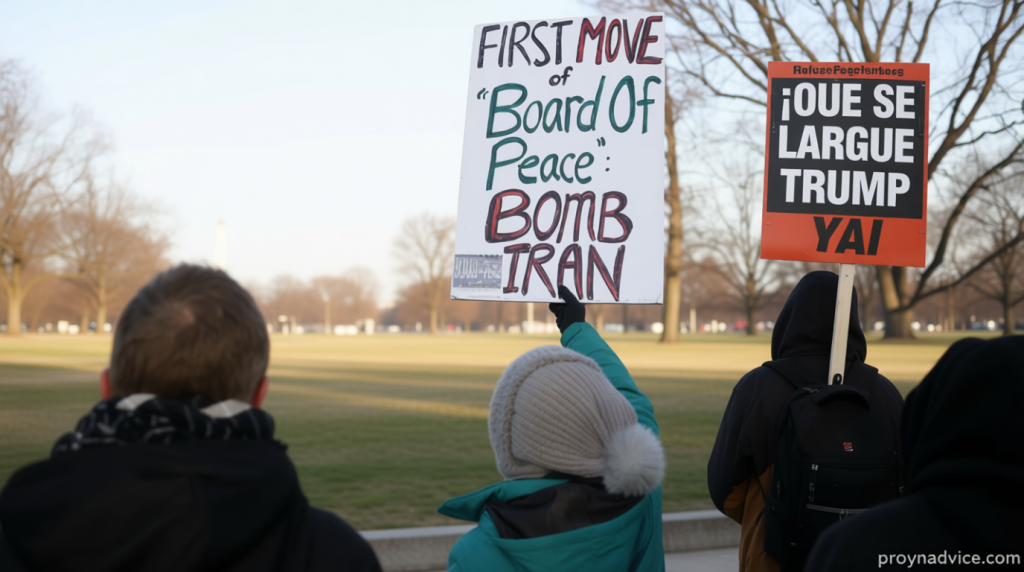
The ongoing US military actions in Iran have contributed to rising fuel costs and inflationary pressures. Yet, the question remains: does the Trump coalition endorse these conflicts? Until recently, Trump positioned himself as a leader of peace, highlighting his role in resolving international disputes. He even established the Board of Peace, suggesting it could earn him a Nobel Prize for diplomacy. However, the recent strikes, alongside earlier interventions in Venezuela, have shifted this narrative.
On February 28, US and Israeli forces initiated attacks on Iran, marking a departure from Trump’s earlier image as a peace advocate. His January move to oust Venezuelan leader Nicolas Maduro with military force further underscored this shift. Despite his campaign promise to end perpetual wars, these actions have drawn criticism, especially as they contradict his rhetoric of avoiding new conflicts.
Internal Divisions in the MAGA Movement
Public opinion reveals a split within Trump’s base. While a majority of Americans oppose the attacks, polls show varying degrees of support. A CNN survey found 59% of respondents disapprove of the decision to engage in war, compared to 41% who favor it. Reuters data indicated 43% reject the conflict, with 27% supporting it and 29% uncertain. Notably, supporters of the Republican Party tend to back the strikes, though this unity is not absolute.
“The current situation in the Middle East is more likely to exacerbate domestic concerns and refocus American attention on a questionable and shaky US economy, including rising energy prices and inflation,” said Jonathan Katz of the Brookings Institution.
Expert Analysis on the War’s Consequences
Johannes Thimm, director of the Americas research group at the SWP, warned that the war’s economic fallout could intensify public backlash. “As soon as the economic consequences are felt in the US, criticism will increase,” he noted. The blockade of oil shipments has already driven up fuel costs, while the conflict risks worsening inflation—a key hurdle for Trump’s campaign promises.
Thimm also emphasized the fiscal strain of the war, stating it would “place a heavy burden on the American budget.” Meanwhile, Thomas Warrick of the Atlantic Council argued that Trump’s unilateral approach could backfire: “Because he did not seek the support of Congress and the American people in advance, he will own the outcome. If it succeeds, he may receive a mild domestic boost, but he risks a significant setback to his agenda if it fails.”
The War Powers Resolution and Constitutional Framework
Despite the US Constitution granting Congress the authority to declare war, modern conflicts often bypass this process. Presidents can launch limited military operations without congressional approval for up to 60 days. Yet, Thimm pointed out that “major wars—before Trump’s time—were always authorized by Congress,” citing examples like George W. Bush’s Iraq and Afghanistan campaigns. The current strikes on Iran, though not involving ground troops, are seen as a major war requiring congressional backing.
Democrats have introduced a War Powers Resolution to counter Trump’s authority, but the measure is viewed as symbolic. The Senate already rejected it, reflecting the political dynamics at play. As the midterm elections approach, Republicans face a dilemma: supporting the war may risk alienating voters, yet withholding backing could weaken their position.
Midterm Elections and Political Dilemmas
With the November midterms looming, the Republican Party must navigate the tension between loyalty to Trump and public sentiment. Thimm highlighted that “the Republicans don’t want to withhold support for their president, but they also don’t really want to be associated with this war because they know it’s unpopular.” This internal conflict could shape the outcome of the elections, as voters weigh the war’s economic toll against Trump’s political vision.
