Iran peace deal expected to be finalized ‘in the next 24 hours’: Pakistan

Iran Peace Deal Expected to Be Finalized ‘In the Next 24 Hours’: Pakistan
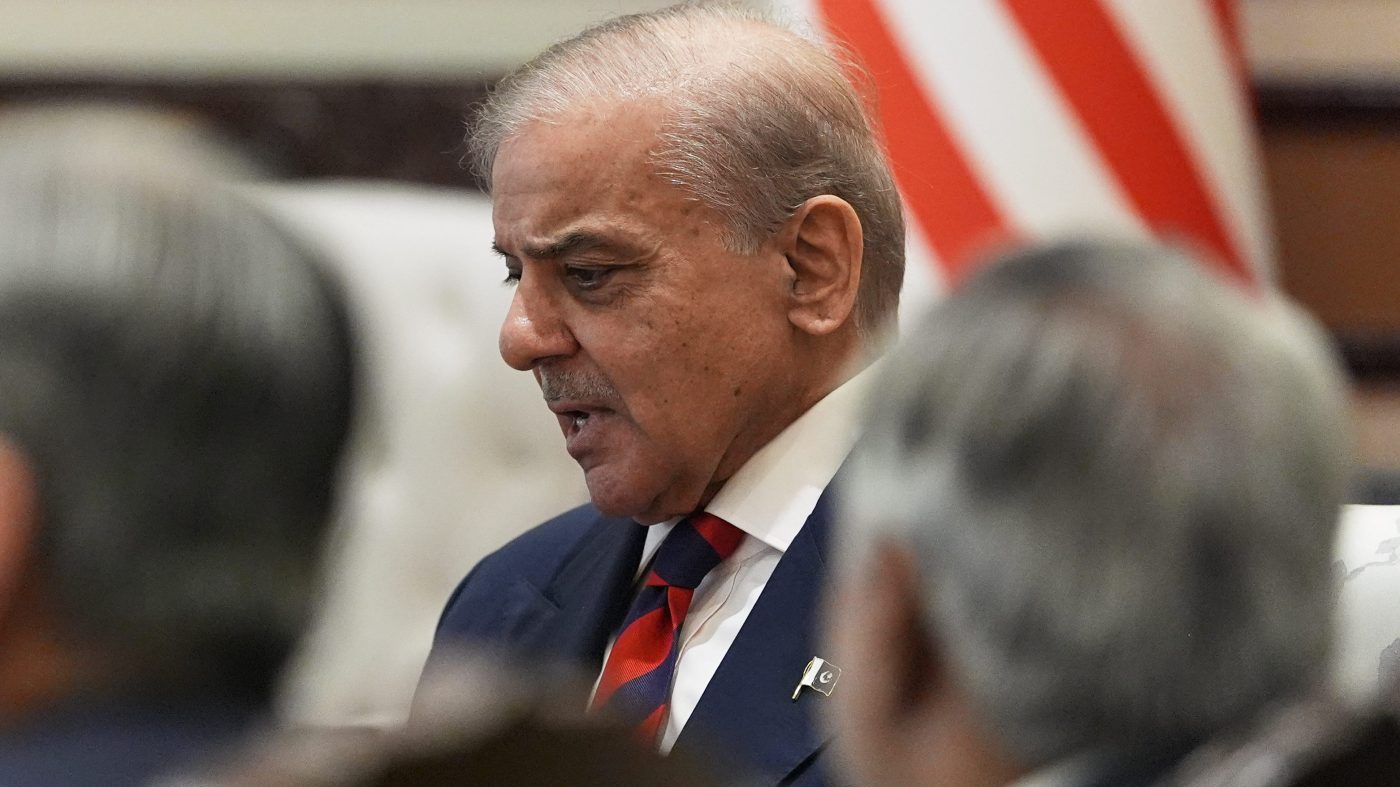
Provpnadvice.com – Prime Minister Shehbaz Sharif of Pakistan declared on Saturday that a U.S.-Iran peace agreement may be completed within the next 24 hours, signaling a potential breakthrough in the ongoing diplomatic process. This statement came amid heightened anticipation as the two nations edge closer to resolving their long-standing tensions. Sharif’s remarks, shared through a social media post, emphasized Pakistan’s pivotal role in facilitating the discussions and highlighted the proximity of a historic accord.
Pakistan’s Mediation Efforts
Pakistan has served as the primary intermediary in the U.S.-Iran peace negotiations, leveraging its strategic position in the region to foster dialogue. Sharif, in his latest update, noted that the current momentum of talks has surpassed previous stages, with both parties demonstrating a shared commitment to ending the crisis. The prime minister’s message underscored Pakistan’s determination to act as a bridge between the two nations, ensuring that the negotiations remain on track for a swift resolution.
“With finalisation likely expected in the next 24 hours, Pakistan is preparing for the electronic signing of the peace deal immediately after, followed by technical level talks next week,” he wrote in the post.
President Donald Trump, known for his active engagement on social media, shared Sharif’s statement on Truth Social without providing further commentary. The rapid dissemination of the prime minister’s optimism by Trump reflected the administration’s support for the progress, though the timeline remained subject to scrutiny. Sharif also expressed gratitude to both the U.S. and Iranian delegations for their dedication during the negotiations, highlighting the collaborative spirit that has characterized the talks.
Iranian Disputes the Timeline
Despite the optimistic outlook, Iranian officials have cast doubt on the immediacy of the deal. Esmaeil Baghaei, a spokesperson for the Iranian Foreign Ministry, told Tasnim News Agency on Saturday that the signing of the framework agreement would not occur by tomorrow. “The possibility that it will happen in the coming days is not ruled out,” Baghaei stated, but he cautioned that the other party’s political instability necessitates a more measured approach to the timeline.
“However, due to the other party’s instability, we must be cautious about any statements regarding this process,” Baghaei added.
Baghaei’s comments came in response to earlier claims from the Trump administration that the agreement had already reached a critical stage. On Friday, Iranian Foreign Minister Abbas Araghchi had stated that the deal “has never been closer,” urging the media to withhold leaked details until the formal announcement. This aligns with the Iranian government’s broader strategy of controlling narrative and ensuring public support for the agreement.
Regional Support and Strategic Implications
Meanwhile, Qatari leadership has publicly endorsed the diplomatic efforts. Sheikh Mohammed bin Abdulrahman Al-Thani, the Qatari Prime Minister, praised the progress in the negotiations during a call with Sharif on Saturday. The foreign ministry’s statement highlighted Qatar’s backing for Pakistan’s mediation, emphasizing the importance of sustained engagement to achieve a comprehensive agreement.
“His Excellency reiterated the State of Qatar’s full support for the Pakistani mediation efforts aimed at ending the crisis through peaceful means,” the Qatari foreign ministry said. “He underlined the need for all parties to engage with these efforts to create the appropriate conditions, leading to a comprehensive agreement that brings about sustainable peace in the region.”
Qatar’s involvement underscores the broader regional consensus on the value of de-escalation. As a key player in Middle Eastern diplomacy, the emirate has historically acted as a neutral facilitator in complex negotiations. Its endorsement adds credibility to the current process, suggesting that the agreement may have broader geopolitical support.
Deal Progress and Key Provisions
A U.S. official, speaking to NewsNation on Friday, confirmed that the agreement is approximately 75 percent complete. According to the official, the final terms would include provisions to prevent Iran from acquiring a nuclear weapon, a cornerstone of the U.S. strategy in the talks. Additionally, the deal aims to reopen the Strait of Hormuz, a critical maritime passage for global oil trade, which has been a focal point of contention due to Iran’s naval activities and U.S. sanctions.
The progress in the negotiations has been tempered by concerns over potential concessions. Earlier reports from the Trump administration had raised alarms about the inclusion of a $300 billion reconstruction fund and financial compensation for Iran, which some critics argued could weaken U.S. leverage. However, Araghchi’s recent statements have sought to reassure the public that the deal remains aligned with the U.S. objectives, while maintaining Iran’s dignity in the process.
Context and Challenges
The U.S.-Iran peace talks, which have been in progress for months, aim to resolve a multifaceted crisis involving nuclear proliferation, regional influence, and economic sanctions. Pakistan’s role as a mediator has been crucial, given its historical ties with both countries and its interest in stabilizing the region. The prime minister’s declaration of a near-finalization reflects the culmination of intense diplomatic activity, though challenges persist in securing consensus on the final terms.
As the negotiations approach their climax, the stakes have never been higher. A successful agreement could mark a significant shift in the dynamics of the Middle East, reducing hostilities and opening new avenues for cooperation. However, the timeline for finalization remains uncertain, with both sides navigating political pressures and internal debates. The electronic signing of the deal, as mentioned by Sharif, would be a symbolic milestone, followed by technical discussions to address implementation details.
The Hill has reached out to the White House for further clarification on the latest developments, seeking to confirm the extent of the agreement’s progress and the next steps in the process. Until then, the world watches closely as Pakistan’s efforts to mediate between the U.S. and Iran take center stage in the quest for peace.
With the potential for a deal nearing fruition, the focus shifts to ensuring that all parties adhere to the terms and that the agreement withstands the test of time. The road to lasting peace, however, is fraught with complexities, requiring patience, flexibility, and a shared vision for the future. As the next 24 hours unfold, the success of this diplomatic endeavor will be a defining moment in the history of U.S.-Iran relations.