
The night Iran went dark: Witness accounts and video reveal violence inflicted during Iran’s internet blackout
Maryam’s Morning and the Spark of Revolution
Maryam finished her morning errands in Tehran on Thursday, January 8 before heading home to change and meet friends for coffee. By evening, she was among the crowds protesting the dire economic conditions in the country. What happened over the next two days could prove pivotal in Iran’s history.
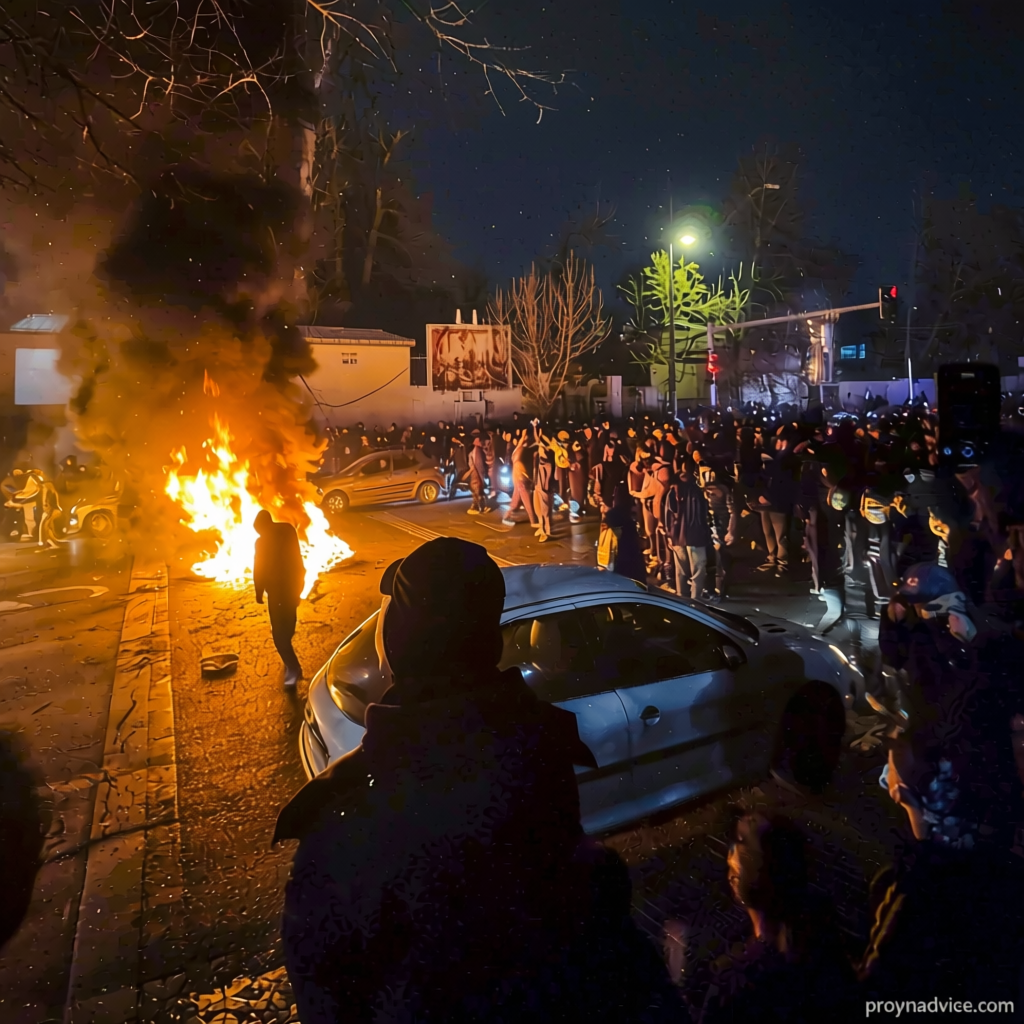
Those heading to the protests were expecting violence, but what transpired that evening went beyond what they had imagined. It was the twelfth day of nationwide unrest, yet the atmosphere at demonstrations remained upbeat and determined – at least initially.
“Thursday night was beautiful,” Maryam recalled, as friends and families filled the streets on what is a weekend day in Iran, protesting for better living conditions and the end of a repressive regime.
“It felt dystopian and eerily strange,” the 30-year-old artist said. “Life was normal in the morning, but at night everyone was out for the protests.”
CNN is using a pseudonym for her and other protesters quoted in this piece for their safety.
The Midnight Crackdown
On Shariati Street, a major north-south artery in the Iranian capital, 33-year-old Hasan made his way to a roundabout where friends had gathered to join protests. “There was a feeling that we are going to make a difference, that perhaps a revolution was actually going to happen,” he said.
The bloodshed that followed was quick to kill that hope. It was the night that Reza Pahlavi, the US-based son of Iran’s deposed monarch, urged Iranians to take to the streets starting at 8 p.m. Many of those who protested chanted in his favor.
As protesters rallied in more than 100 cities across the country after nightfall, Iran went dark. At 8 p.m., the authorities shut down internet access and blocked international phone calls, imposing an unprecedented communications blackout on the nation’s 92 million people. In that darkness, the security forces cracked down.
The Deadliest Assault
What unfolded over the next 48 hours has since been revealed as the deadliest assault by the Iranian state on its own people since the founding of the Islamic Republic nearly 47 years ago. As the blackout has slowly been lifted, CNN has pieced together the events of that weekend through firsthand accounts from protesters who have left the country since, and through videos of the carnage shared by activist groups.
Witnesses, human rights activists and medical professionals told CNN that security forces unleashed widespread violence over the Iranian weekend of January 8 and 9, turning streets across Iran into what resembled a warzone and pointing to a coordinated armed assault. By the end of the weekend, thousands were dead, a shocking toll later acknowledged by the regime.
In the aftermath, hospitals struggled to treat the injured, women were heard wailing from cemeteries overwhelmed by the dead and morgues were filled with bags holding unidentified bodies. Other videos show blood-covered streets, protesters lying motionless with apparent gunshot wounds, green laser dazzlers designed to disorient crowds, the sound of sem
