Judge blocks DOJ from threatening election officials over noncitizen voting claims

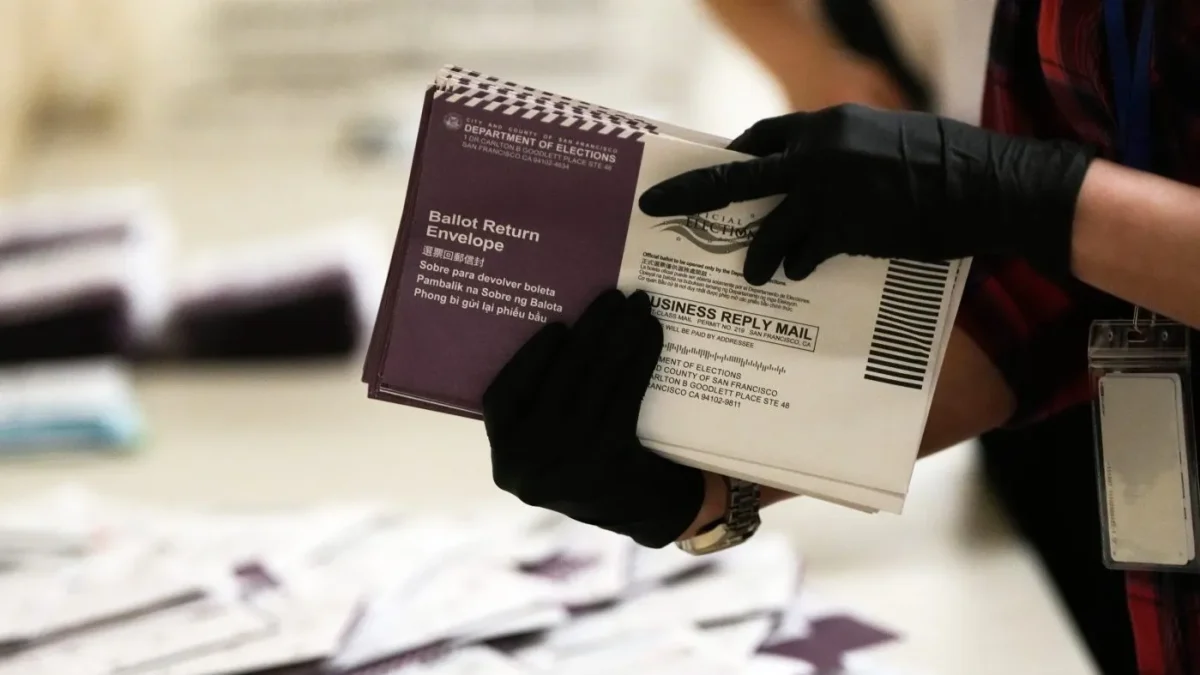
Table of Contents
Federal Judge Halts DOJ Pressure Campaign Targeting Election Workers
Provpnadvice.com – A federal judge in California has ordered the Trump administration to stop using threats of criminal prosecution against election officials as part of a broader push focused on alleged noncitizen voting.
U.S. District Judge Trina Thompson issued the temporary restraining order Friday in response to a lawsuit filed earlier that day by organizations representing California election workers and voting-rights groups. The ruling arrives as voting activity is already underway, making the timing a central concern for the court.
“Ballots have already been issued. Americans have already begun voting. Workers have already begun processing ballots,” Thompson wrote. “Given the consequences of inaction, the Court sees no reason to delay its ruling.”
The order prevents the administration from threatening election personnel with prosecution in connection with the disputed voting-related demands. It also bars efforts to compel those workers to remove certain individuals from voter-registration lists, refuse ballot requests from some voters, or separate ballots cast by people federal officials suspect may not be eligible to vote.
Election Administration at the Center of the Dispute
The case places election administrators at the intersection of federal enforcement efforts and the practical demands of conducting an election. Local and state officials are responsible for issuing ballots, maintaining voter rolls, receiving returned ballots and following procedures for determining whether votes may be counted.
Thompson’s ruling emphasizes that these duties are not abstract when an election is close at hand. Changes to how officials process ballot requests or handle completed ballots can directly affect workers and voters during an active voting period. The judge’s decision temporarily blocks the administration’s actions while the legal challenge proceeds.
The plaintiffs include the Service Employees International Union, the American Federation of State, County and Municipal Employees, the League of United Latin American Citizens and the National Association for the Advancement of Colored People.
In their complaint, the groups accuse Attorney General Todd Blanche and other senior Justice Department officials of pursuing what they describe as “a coordinated campaign to intimidate, threaten, and coerce state and local officials and employees.”
Letters Sent to States and California Counties
The Justice Department sent letters this week to election officials in all 50 states warning that they could face potential prosecution if election records were not preserved. Record-retention requirements can become especially important after elections, when contests, audits, reviews or legal challenges may require access to ballots and related materials.
A separate set of letters had been sent the previous week to election officials across every California county. Those communications demanded cooperation with the federal government in identifying possible noncitizens who appeared on voter rolls. The letters warned that officials who did not comply could face “significant federal scrutiny.”
California election officials therefore faced requests involving both the preservation of election materials and federal efforts to identify voters believed to be ineligible. The temporary restraining order limits the administration’s ability to use prosecutorial threats while those questions are litigated.
The dispute does not resolve every issue surrounding voter-list maintenance or eligibility reviews. Instead, the order is an early court intervention intended to preserve the status quo and prevent conduct the plaintiffs argue could disrupt election administration before the case receives fuller consideration.
Related Challenge Over 20,000 Ballots
The ruling follows another recent setback for the Trump administration in California. Earlier this week, a different federal judge dismissed the administration’s lawsuit seeking to require the state to set aside ballots belonging to 20,000 people identified by the federal government as potential noncitizens.
That decision was upheld Friday by a divided panel of the federal appeals court. Together, the two developments leave the administration unable, for now, to force California to isolate those ballots or to pressure election workers through threatened criminal action connected to the same broader focus on noncitizen voting claims.
The cases underscore the legal distinction between investigating suspected eligibility issues and directing election officials to take immediate action that could affect ballot access or ballot handling. Courts reviewing such disputes must weigh the government’s stated interests against the consequences for voters, election workers and the orderly operation of an election already in progress.
For voters, the practical importance of the order is that officials may continue administering ballots without the specific federal threats addressed by Thompson’s ruling. For election workers, it provides temporary protection from the prosecution warnings and coercive demands challenged in the lawsuit.
The Justice Department and the White House were contacted for comment regarding Thompson’s order. Further litigation is expected to determine whether the restrictions remain in place beyond the temporary stage and how the federal government may pursue its concerns about voter eligibility.
Related Reading
Frequently Asked Questions
What is Judge blocks DOJ from threatening election?
Judge blocks DOJ from threatening election is the main topic of this guide. The article explains the context, practical details, and next steps readers should understand.
Why does Judge blocks DOJ from threatening election matter?
Judge blocks DOJ from threatening election matters because readers are looking for a useful answer, not just a short summary. Good content should match search intent and help them decide what to do next.