Appeals court rules against Trump — again — on California ballots

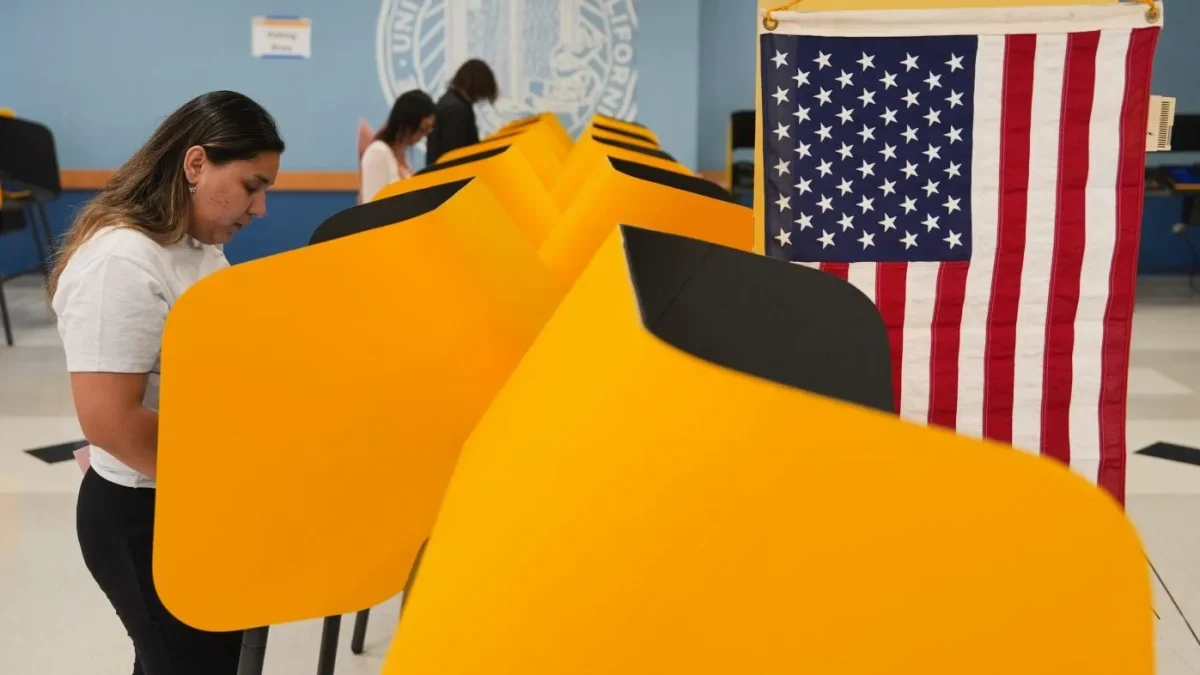
Table of Contents
Ninth Circuit Rejects Trump Administration Request Over California Ballots
Provpnadvice.com – A divided panel of the U.S. Court of Appeals for the 9th Circuit has declined the Trump administration’s request to halt the processing of roughly 20,000 California ballots tied to people the administration contends may not be citizens.
The dispute arrives just before Tuesday’s midterm contests, when election offices throughout California have already received hundreds of thousands of returned ballots. Because the state sends mail ballots to all active voters, the administration sought action that would allow the ballots connected to its list to be identified and set aside while citizenship questions were reviewed.
In a 2-1 decision, the appeals court concluded that the requested intervention could seriously disrupt the broader election system. The majority did not overturn the trial court’s conclusion that the administration’s list was not sufficiently reliable.
“As the district court found—and we discern no clear error—there is no feasible way to identify and segregate the ballots of specific individuals without potentially catastrophic effects on the entire system,” the majority wrote in an unsigned opinion.
Judges Split on Election-Integrity Concerns
The majority consisted of U.S. Circuit Judge Gabriel Sanchez, appointed by former President Biden, and U.S. Circuit Judge Mark Bennett, a Trump appointee. Their ruling emphasized the practical difficulty of isolating particular votes after ballots enter the election-processing system.
U.S. Circuit Judge Patrick Bumatay, also appointed by President Trump, dissented. He argued that the state’s procedures for confirming voter citizenship are too weak and warned that election officials may be unable to separate improper ballots from valid ones after processing is complete.
“Throughout history, federal courts have acted to protect the voting and civil rights of our citizens by enjoining state action that violates the law,” Bumatay wrote. “And common sense also tells us that the federal government shouldn’t have to sit on its hands while a State allows the violation of federal law, especially when the integrity of federal elections is at stake.”
The disagreement reflects competing concerns at the heart of the case. The administration has focused on the possibility that noncitizens could cast ballots. California, meanwhile, has challenged the accuracy of the list at issue and argued that it is not legally required to complete the requested citizenship verification before Election Day.
Second Setback Before the Same Panel
This marks the second recent ruling in which the same three-judge panel has ruled against the administration. Last weekend, the administration attempted to bypass the district judge and obtain immediate intervention from the appeals court. The panel determined at that time that it lacked jurisdiction to act.
All three judges agreed that the court could consider the merits in the latest appeal. The majority nevertheless found that the administration had not demonstrated a basis for the extraordinary relief it sought.
“To be sure, there are countervailing public interests at stake,” the majority wrote. “There is a public interest in maintaining the integrity of elections. But as discussed, the district court found that the risks that noncitizens are voting are, at best, uncertain.”
That assessment leaves California’s ballot-processing system in place as voting continues. Court filings indicate that state election officials have already received a substantial volume of ballots, while California’s attorneys have acknowledged that an individual ballot cannot be pulled out once it has been processed.
The practical issue is central to the litigation. A court order requiring election officials to isolate ballots associated with a disputed list could affect not only the people named by the administration, but also the timing and administration of the larger election. The majority accepted the lower court’s finding that there was no workable method to identify those ballots without risking broader consequences.
Case Could Move to the Supreme Court
The Trump administration may still seek emergency relief from the Supreme Court or ask the full 9th Circuit to reconsider the panel’s decision. Either path would place the ballot dispute before additional judges as California continues to administer its universal mail-in voting program.
The lawsuit was filed earlier this month after the administration alleged that California was mailing ballots to 20,000 likely noncitizens. Under the state’s system, every active voter receives a ballot by mail. The legal fight has therefore centered not only on the administration’s allegations, but also on whether the affected ballots can reliably be identified before or after they are handled by election officials.
U.S. District Judge David Carter, a Clinton appointee assigned to the case, previously ruled against the administration. In that ruling, Carter indicated that individuals found to have voted fraudulently could face criminal prosecution rather than prompting a broader disruption of ballot processing.
The Justice Department has already brought several voting-related criminal cases in California in recent weeks. Carter also announced at a hearing this week that he would appoint a special master to examine the administration’s allegations involving noncitizen voting.
For voters, the immediate result is that California’s election administration will continue under its existing procedures unless a higher court intervenes. The case remains a significant test of how courts balance allegations of unlawful voting against the operational realities of conducting an election already underway.
Related Reading
Frequently Asked Questions
What is Appeals court rules against Trump?
Appeals court rules against Trump is the main topic of this guide. The article explains the context, practical details, and next steps readers should understand.
Why does Appeals court rules against Trump matter?
Appeals court rules against Trump matters because readers are looking for a useful answer, not just a short summary. Good content should match search intent and help them decide what to do next.