Democratic senator: Trump is ‘laying the groundwork’ to steal Minnesota election

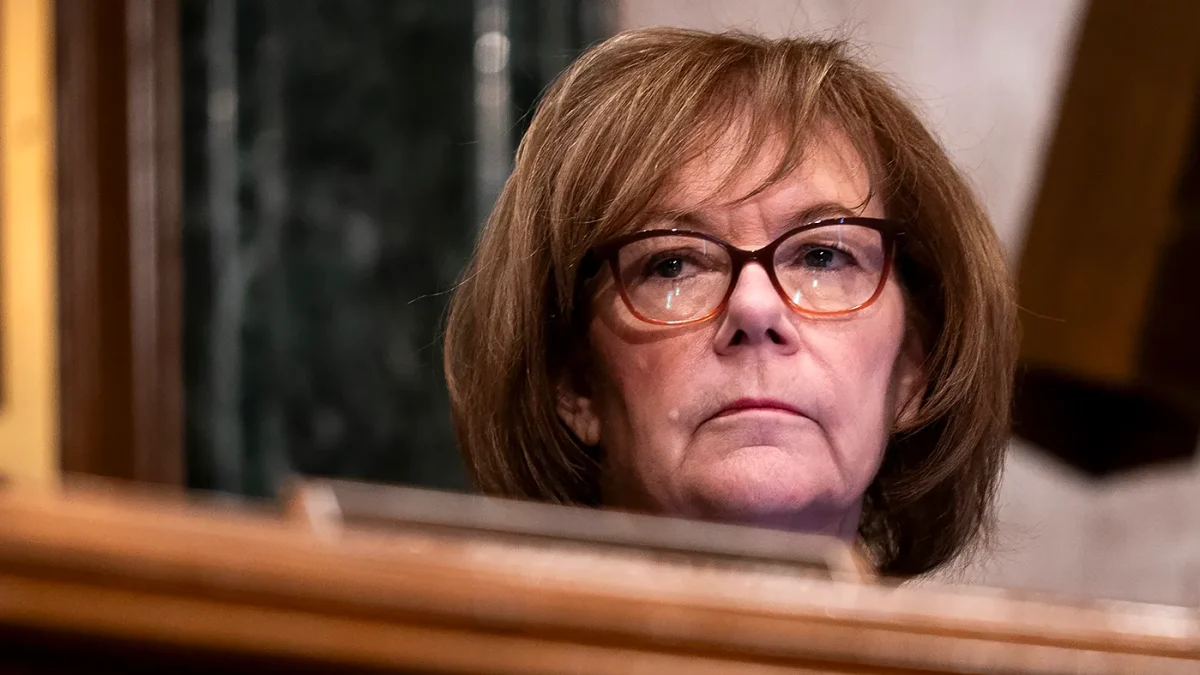
Table of Contents
Smith Accuses Trump of Setting Stage for Minnesota Senate Dispute
Provpnadvice.com – Retiring Sen. Tina Smith (D-Minn.) is accusing President Trump of trying to cast doubt on Minnesota’s upcoming Senate election before voters have even chosen a winner. Her remarks came after Trump urged support for Republican candidate Michele Tafoya and said the federal government would closely monitor the contest.
The race will determine who succeeds Smith in the Senate, with Tafoya facing Democratic Lt. Gov. Peggy Flanagan. Polling has shown a competitive contest, while both campaigns have focused on sharply different concerns for Minnesota voters.
“He’s blatantly laying the groundwork to steal an election if his chosen candidate doesn’t win… Minnesota will not take kindly to thinly veiled threats from a guy we’ve rejected three times (soon to be four),”
Smith wrote on X that Trump’s comments were an effort to create an opening for allies to challenge the result if Tafoya loses. Her post reflected the heightened political sensitivity around claims of election fraud, particularly when raised before ballots are counted.
Trump Backs Tafoya and Raises Fraud Claims
Trump endorsed Tafoya in a Truth Social post Monday, calling on supporters to rally around her campaign. He praised her performance in the race and warned against post-election interference with ballots.
“Let’s all get behind Michele Tafoya in Minnesota. She’s running a great race. Don’t allow them to play with the Votes after the race is over,”
Trump added that federal officials would be watching the contest closely. He then suggested that Tafoya could only be defeated through improper conduct involving ballots, although he offered no evidence to support that assertion.
“The only way she can lose is if they cheat by playing games with the Ballots as they come in,”
The president also renewed his longstanding argument that Minnesota presidential results were mishandled in 2016, 2020 and 2024. Trump claimed he should have carried the state in each of those elections if votes had been counted correctly, again without presenting evidence for the claim.
Minnesota has been a difficult state for Republican presidential nominees to win. The last Republican to carry the state in a presidential race was Richard Nixon in 1972, a point Trump referenced while arguing that prior outcomes had denied him victories.
“We can’t allow that to happen, because I won Minnesota three times, but they didn’t give me the Victories, and Minnesota hasn’t been ‘won’ since 1972, when Richard Nixon claimed the trophy,”
For voters, the exchange highlights two overlapping battles: the campaign for a Senate seat and the broader fight over public confidence in election administration. Candidates can challenge results through established legal processes, but claims made without substantiation can intensify public distrust before an election is decided.
A Tight Contest Shaped by Fraud, Costs and Party Loyalty
Tafoya and Flanagan have each attempted to frame the race around issues with immediate consequences for Minnesota residents. Recent polling places Flanagan ahead by an average of 3.5 percentage points, though the margin indicates a closely fought campaign rather than a settled outcome.
Republicans have criticized Democratic Gov. Tim Walz over extensive fraud in Minnesota social-services programs. The cases involved schemes that took hundreds of millions of taxpayer dollars, giving Tafoya a central line of attack against the state’s Democratic leadership.
In campaign advertising, Tafoya calls herself a “pro-choice Republican” and presents that description as evidence that she is willing to break with her party when necessary. Her ads portray Flanagan as a politician who put political concerns ahead of stopping fraudsters from taking public money.
Another Tafoya ad argues that Flanagan and Walz helped foster a “culture of corruption” in Minnesota. The accusation seeks to connect the lieutenant governor to the administration’s response to the fraud cases, even as the Senate contest turns on a broader set of national and state issues.
Flanagan, meanwhile, has centered her pitch on affordability. Her campaign has promoted “Medicare for All” and called for ending Trump’s tax breaks for billionaires. She has described her Senate bid as an effort to make everyday life more affordable for working people and families.
“I’m running for Senate to help people afford their lives,”
Flanagan has also sought to tie Tafoya directly to the president, warning voters that her Republican opponent would become “another senator for Trump.” That framing is intended to make the race a choice not only between two candidates, but also between competing views of Trump’s influence in Washington and Minnesota.
The contest therefore carries significance beyond the candidates’ individual messages. A narrow Senate race can draw national attention, outside spending and intensified scrutiny of every campaign statement. Trump’s intervention has added another layer by placing the integrity of the eventual result at the center of the political argument months before any winner is certified.
Smith’s retirement leaves Minnesota with an open Senate seat and gives both parties a high-profile opportunity. As election day approaches, Tafoya’s campaign is likely to continue emphasizing government accountability and fraud, while Flanagan’s campaign presses its case on health care, household expenses and resistance to Trump’s agenda.
For Minnesota voters, the immediate question remains the same: which candidate offers the stronger case on the issues affecting the state. The dispute over Trump’s comments underscores that the campaign will also test how much influence pre-election allegations of fraud have on a race that remains close.
Related Reading
Frequently Asked Questions
What is Democratic senator?
Democratic senator is the main topic of this guide. The article explains the context, practical details, and next steps readers should understand.
Why does Democratic senator matter?
Democratic senator matters because readers are looking for a useful answer, not just a short summary. Good content should match search intent and help them decide what to do next.