China urges US Treasury to stop proposed restrictions on tech investments

Table of Contents
China Objects to Proposed U.S. Limits on Technology Investment
Provpnadvice.com – China has urged the United States to reconsider a proposed Treasury Department rule that would widen restrictions on American investment connected to sensitive technology sectors. Beijing argues that the measure would further strain commercial relations between the world’s two largest economies and unfairly targets Chinese businesses.
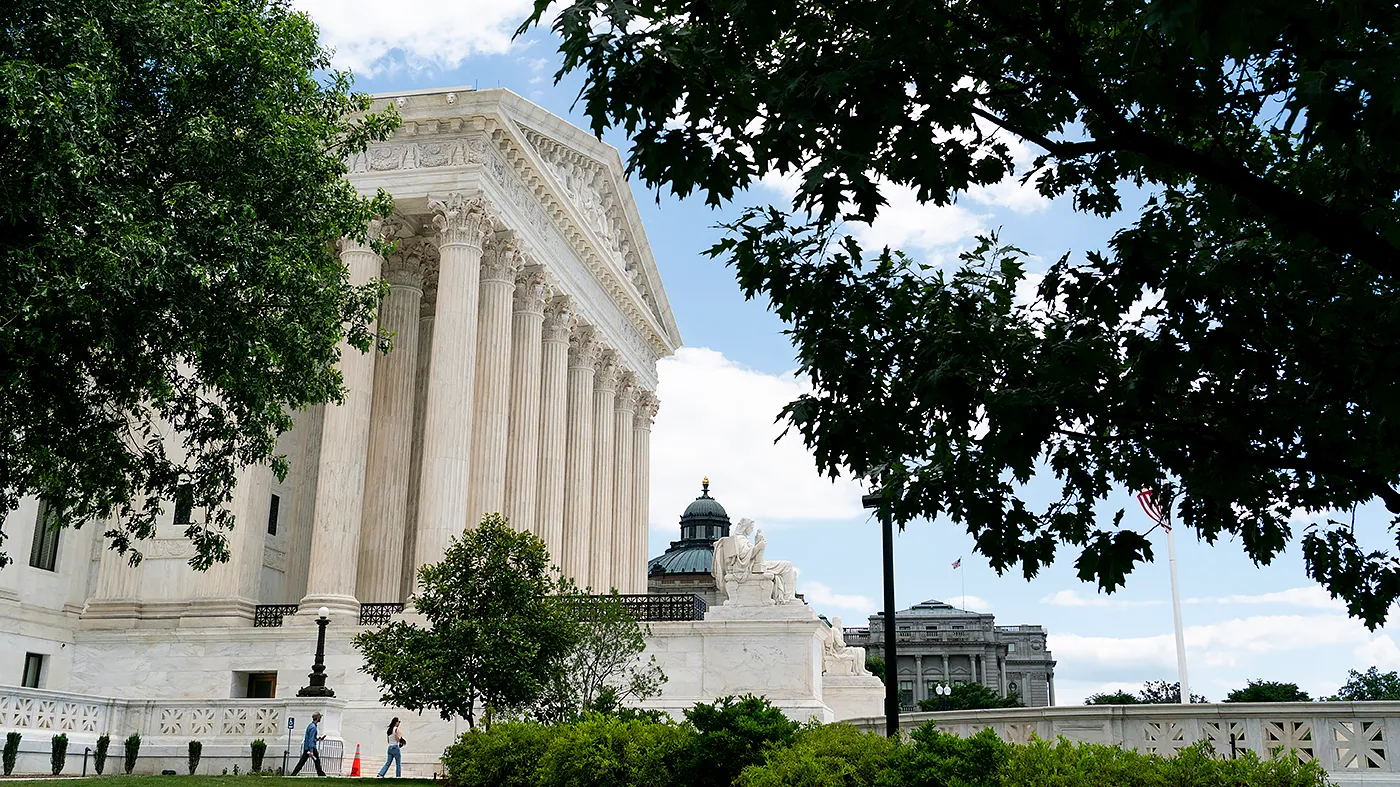
The dispute centers on the Outbound Investment Security Program, or OISP, a U.S. framework designed to limit certain investments that could help designated foreign adversaries advance technologies considered important to national security. The Treasury Department released its latest proposal on Thursday, expanding the areas covered by existing restrictions.
The proposed changes focus on technologies with both civilian and military significance. They include hypersonic systems, quantum information technologies, high-performance computing, supercomputing and artificial intelligence. China, Russia and North Korea are identified under the program as foreign adversaries whose access to U.S. investment is subject to heightened scrutiny.
Beijing Calls Proposal Discriminatory
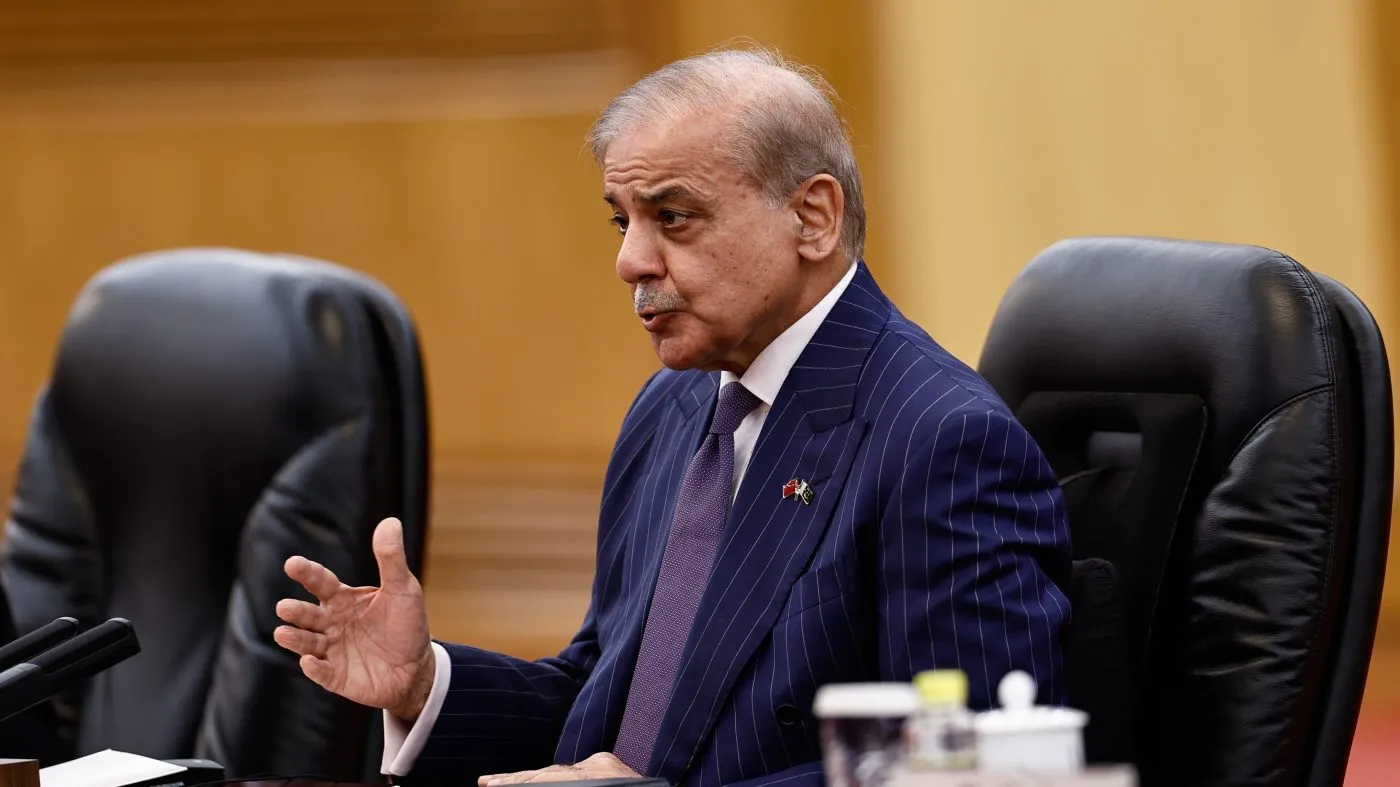
China’s Commerce Ministry responded strongly in comments published by the state-run Global Times. A ministry spokesperson said the proposed rule broadens investment limits related to China in a discriminatory manner and misuses the concept of national security.
“This is a typical case of overstretching the concept of national security. China will closely monitor subsequent developments and reserves the right to take corresponding measures,” the spokesperson said.
The ministry said the initiative could harm economic links between China and the United States. It also left open the possibility of countermeasures, though it did not specify what form any response might take.
The disagreement highlights a broader tension over investment, supply chains and control of advanced technologies. Washington has increasingly emphasized the security implications of capital flows into fields that could support military capabilities or strategic industrial development. Beijing has repeatedly objected to measures it views as restrictions aimed specifically at China’s economic and technological growth.
Biotechnology Added to the Proposal
One notable addition in the Treasury proposal is biotechnology. The sector would join the list of areas receiving attention under the outbound investment program, reflecting concerns that emerging scientific capabilities may carry national-security implications alongside their commercial and medical uses.
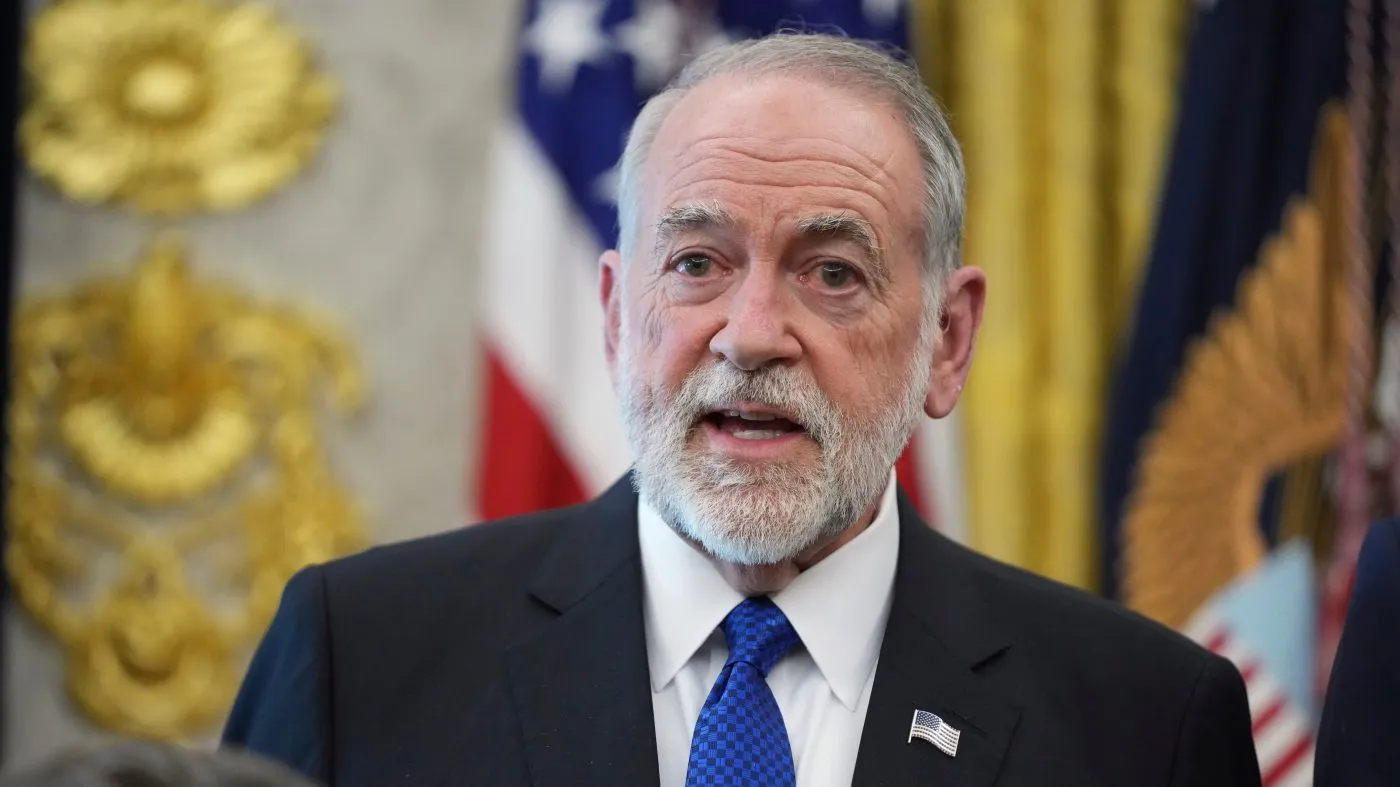
Treasury Secretary Scott Bessent called for the biotechnology addition. In remarks tied to the proposal, he said the regulations would reinforce the existing program and seek to prevent adversaries from benefiting from American capital in the development of sensitive technologies.
“The proposed regulations would strengthen the existing Outbound Investment Security Program to prevent our adversaries from using U.S. investment to develop critical technologies that threaten U.S. national security,” Bessent said.
The proposal does not immediately establish a final set of requirements. It will first proceed through a public-comment period, allowing businesses, investors and other interested parties to weigh in before Treasury issues a final rule. That process could shape how narrowly or broadly the government defines covered transactions, technologies and reporting duties.
For companies and investors, the issue extends beyond a simple ban on doing business abroad. Outbound investment rules can affect decisions involving private equity, venture capital, joint ventures and other financial arrangements. The exact impact depends on the scope of a final regulation, including which activities are prohibited, which must be reported and which remain outside the program.
Technology Disputes Continue to Expand
The investment proposal arrives during another point of friction between Washington and Beijing involving artificial intelligence. Earlier in the week, the State Department announced sanctions against five Chinese companies linked to Linwei Ding, a former Google engineer convicted earlier this year of stealing trade secrets related to AI.
China opposed those sanctions as well, saying they seriously damage the lawful rights and interests of Chinese companies. The response reflects Beijing’s wider objection to U.S. actions involving Chinese firms in technology-related cases.
Artificial intelligence, quantum computing and advanced computing have become particularly sensitive areas because they can influence commercial competitiveness, cybersecurity, research and defense-related capabilities. Hypersonic systems also carry substantial strategic importance, while biotechnology has become an increasingly significant field for innovation across health, manufacturing and research.
The proposed restrictions illustrate how economic policy and national-security policy have become closely linked in the technology sector. U.S. officials contend that investments can provide more than funding, potentially offering expertise, access to networks and other advantages that help accelerate technological development. Chinese officials maintain that broad restrictions undermine normal trade and investment ties.
Any final Treasury rule is likely to draw close attention from multinational companies with operations, partners or investment interests connected to China. It may also become another test of whether Washington and Beijing can manage their deep economic relationship while continuing to disagree over security, technology and the boundaries of government intervention in global markets.
Related Reading
Frequently Asked Questions
What is China urges US Treasury to stop?
China urges US Treasury to stop is the main topic of this guide. The article explains the context, practical details, and next steps readers should understand.
Why does China urges US Treasury to stop matter?
China urges US Treasury to stop matters because readers are looking for a useful answer, not just a short summary. Good content should match search intent and help them decide what to do next.