Kennedy rolls out US-caught seafood labeling, Seafood.gov

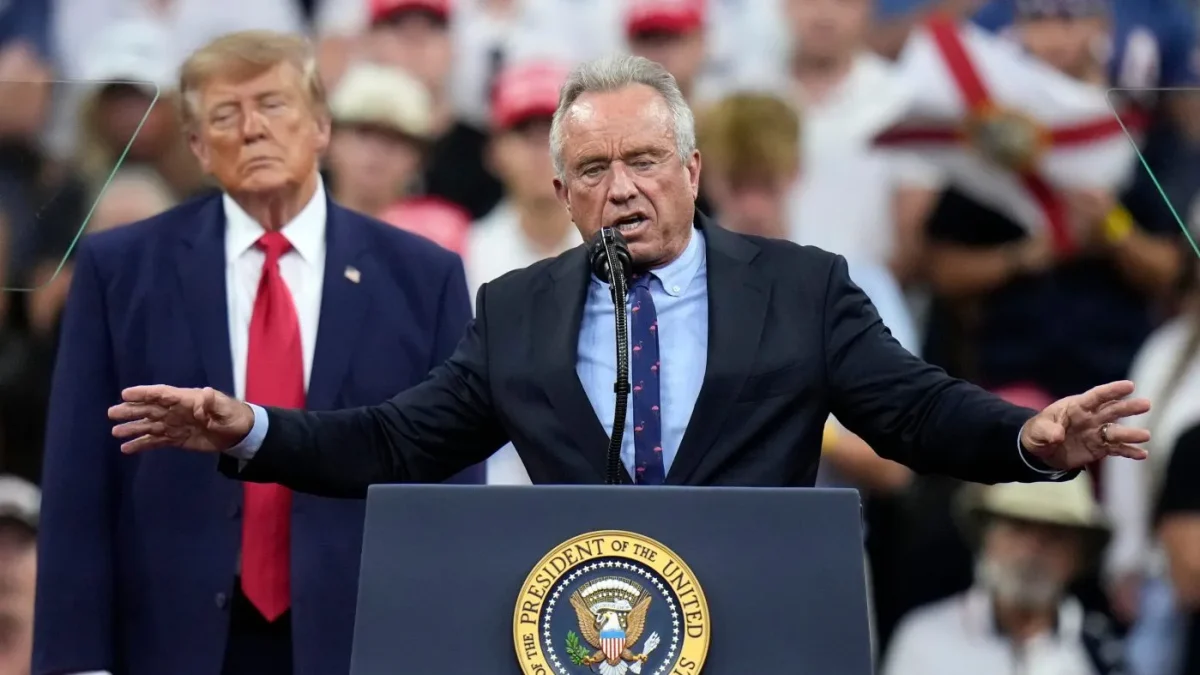
Table of Contents
Trump Administration Launches Seafood.gov and Voluntary U.S.-Caught Label
Provpnadvice.com – The Trump administration introduced a pair of initiatives Friday aimed at giving American fishermen greater visibility in the seafood marketplace: a new federal website, Seafood.gov, and a voluntary label for fish caught in U.S. waters.
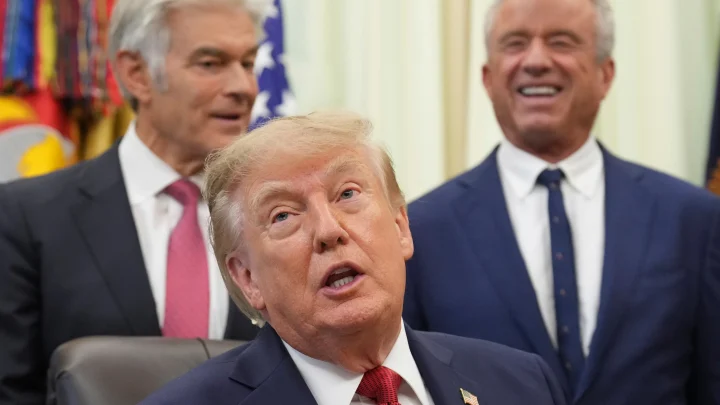
Health and Human Services Secretary Robert F. Kennedy Jr. announced the effort during a rally in Fort Myers, Florida. The White House said the Food and Drug Administration began making the new voluntary designation available Friday, creating a way for consumers to more easily identify seafood harvested domestically.
The measures arrive as the United States continues to rely heavily on overseas seafood supplies. National Oceanic and Atmospheric Administration data show that roughly 80 percent of fish eaten in the U.S. in 2023 came from imports. For shoppers, that can make country-of-origin information an important factor when deciding what to buy at a grocery counter, restaurant, or seafood market.
A New Identifier for Domestic Seafood
The proposed label is designed to distinguish U.S.-caught fish from imported products. Its voluntary nature means seafood businesses can choose whether to use it, but supporters see it as a potentially useful marketing tool for domestic harvesters, processors, retailers, and consumers seeking American seafood.
Kennedy used the Fort Myers event to argue that fish caught by U.S. fishermen offers a higher-quality option than seafood from Europe and other foreign sources. His comments focused particularly on shrimp imports and the challenges facing commercial fishing communities.
“No European country will take them, so they ship them all over here,” Kennedy said, referring to shrimp. “President Trump is rebuilding the infrastructure, he’s reopening the markets for our commercial fishermen.”
For the fishing sector, a recognizable label could matter because seafood often moves through complex supply chains before reaching consumers. Fish may be landed, processed, packaged, sold to distributors, and ultimately offered through retailers or restaurants. A clear domestic identifier could help purchasers who want to support U.S. fishing operations make that choice more readily.
Seafood.gov as a Federal Information Hub
Seafood.gov is part of the administration’s broader effort to promote the domestic industry. The website gives the federal government a dedicated platform for presenting seafood-related information and highlighting the role of American fishing communities.
The initiative also places renewed attention on a longstanding economic reality: the United States has extensive fishing regions and seafood industries, yet imported products account for a large share of the seafood consumed nationally. The NOAA estimate for 2023 illustrates the scale of that dependence and the opportunity that advocates see for increasing recognition of U.S. harvests.
For consumers, seafood labeling can serve several practical purposes. It can provide a straightforward clue about where a product was caught and help people who prefer domestically sourced food compare available choices. For producers, the label may offer a way to communicate the origin of their catch without requiring shoppers to navigate technical industry terminology.
Industry Support From New England Fishermen
The New England Fishermen’s Stewardship Association welcomed Kennedy’s announcement, describing the U.S.-made label as a significant development for American consumers and the fishing economy.
Jason Joyce, the group’s director of advocacy, said the organization views domestic seafood as a sustainable choice and believes the label can strengthen awareness of the industry beyond the boats that catch the fish.
“We believe U.S. seafood is the most sustainably harvested in the world, and this label gives consumers a simple, recognizable way to identify American-caught seafood while supporting our domestic fishing, processing, and retail industries,” Joyce said.
That support reflects how closely connected different parts of the seafood economy can be. A domestic-caught label does not only concern fishermen at sea; it also relates to processors, seafood dealers, wholesalers, retailers, and coastal communities whose businesses depend on the movement and sale of locally landed catch.
Trade Pressures Remain a Concern
The new seafood push follows tensions created by the president’s trade dispute with Canada, a conflict that has raised concerns for some American seafood interests. Fishing and lobster industries can be especially exposed when trade relationships change because their markets often depend on cross-border buyers and supply networks.
In August, the Maine Lobstermen’s Association warned that Maine’s lobster industry could become “collateral damage” in the trade war. Canada buys substantial quantities of lobster from Maine fisheries, leaving producers attentive to policies that could affect demand or market access.
That concern underscores the different pressures facing the industry. A voluntary domestic label and a public-facing federal website may help promote U.S. seafood at home, while international trade conditions can still influence the ability of fishermen to sell products abroad. Both domestic consumer demand and export markets remain relevant to coastal economies.
With Seafood.gov now launched and the FDA’s voluntary U.S.-caught label available, the administration is placing greater emphasis on helping consumers recognize American seafood. Whether the program becomes widely adopted will depend on participation across the industry and on whether shoppers respond to the new identifier when choosing seafood products.
Related Reading
Frequently Asked Questions
What is Kennedy rolls out US caught seafood?
Kennedy rolls out US caught seafood is the main topic of this guide. The article explains the context, practical details, and next steps readers should understand.
Why does Kennedy rolls out US caught seafood matter?
Kennedy rolls out US caught seafood matters because readers are looking for a useful answer, not just a short summary. Good content should match search intent and help them decide what to do next.