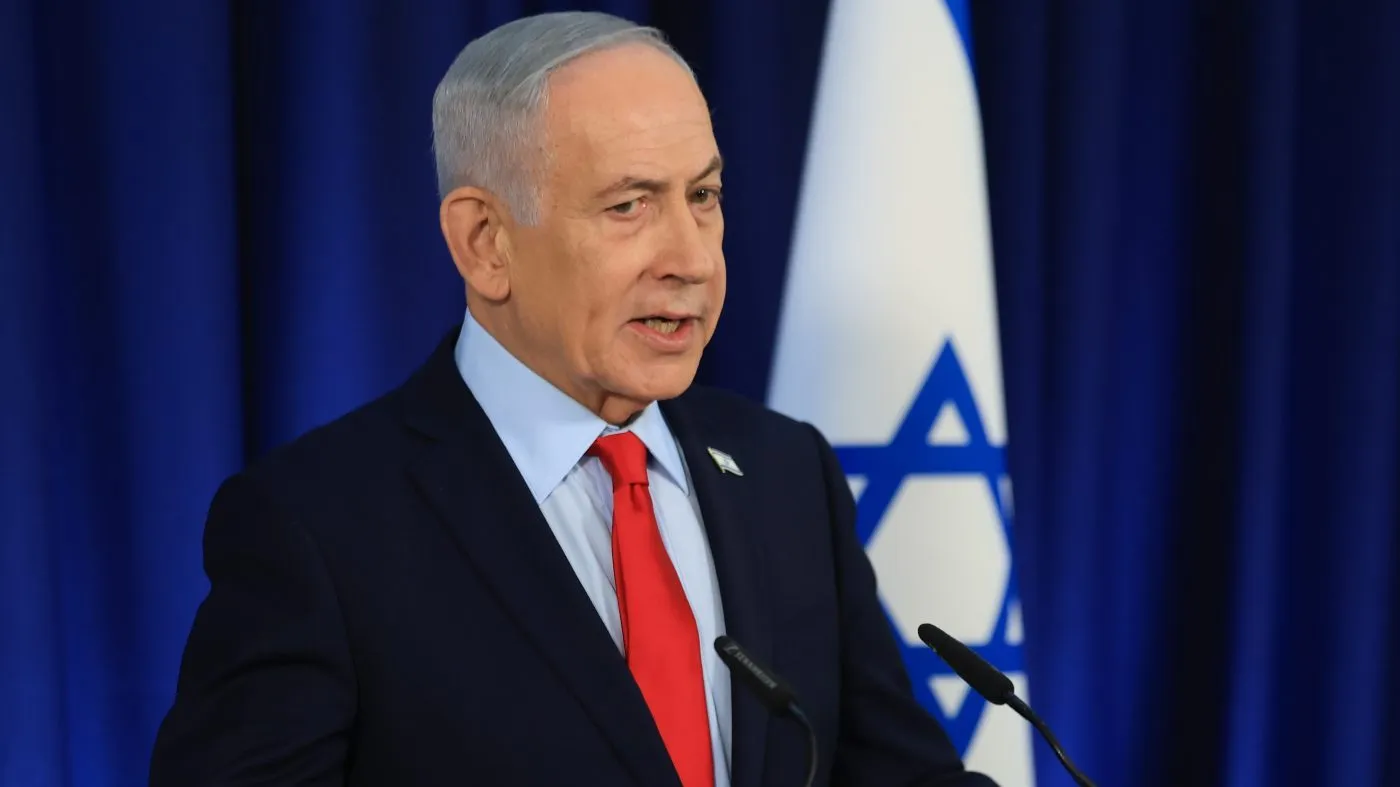
Canadian diplomats barred interacting with US midterm candidates: Reports

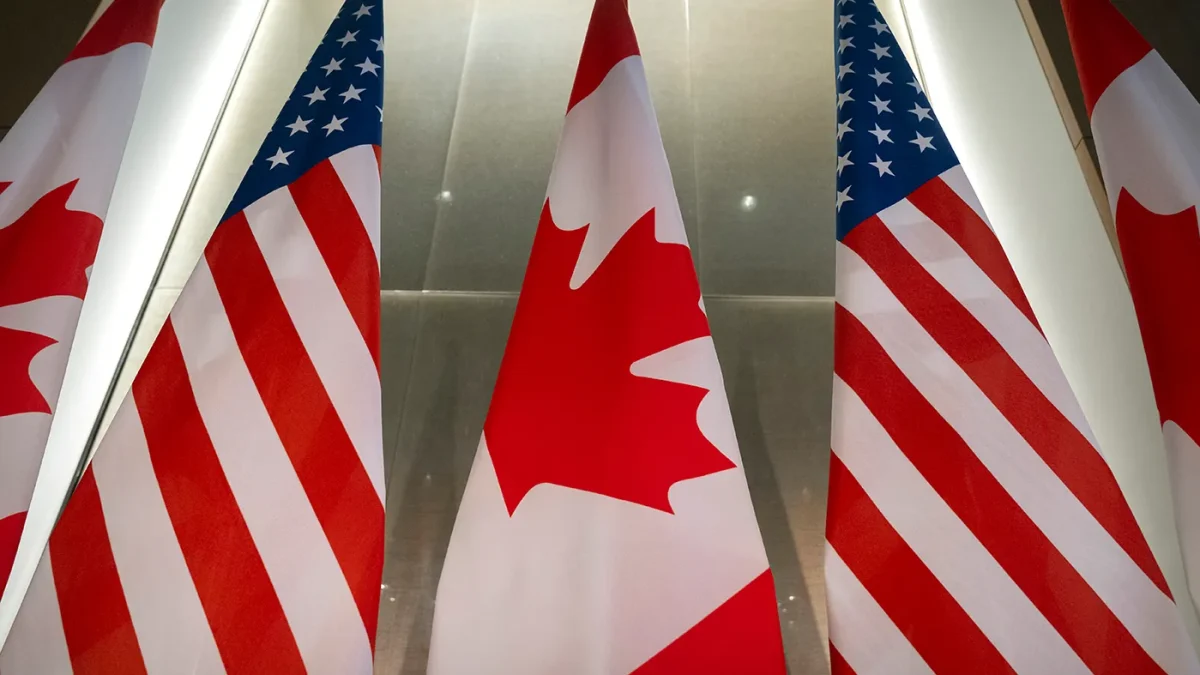
Table of Contents
Canada Tightens Diplomatic Rules Ahead of U.S. Midterm Elections
Provpnadvice.com – Canada has imposed strict limits on contact between its U.S.-based diplomats and American candidates seeking office in the midterm elections, reflecting heightened concern about any action that could be portrayed as foreign political interference.
New written instructions issued this week tell Canadian officials in the United States not to meet with candidates without specific authorization. The restrictions reportedly extend beyond formal meetings: diplomats are also expected to avoid being present in the same room as candidates unless they have received permission.
The policy is intended to remain in place through Election Day. Its practical effect is to sharply narrow the normal political outreach conducted by diplomatic missions, particularly during a campaign season in which even routine contact can be scrutinized.
Limits Reach Beyond Candidate Meetings
Canadian representatives may still engage with U.S. lawmakers who are not running for reelection. However, the guidance reportedly also bars diplomats from appearing in photographs alongside those lawmakers or other elected American officials. That provision appears designed to prevent images from being used to suggest support for a candidate, party or campaign message.
For diplomats, building relationships with legislators is usually part of advancing national interests on trade, security, border issues and other cross-border concerns. The new limits therefore create a more cautious environment for Canadian officials working across the United States while the election campaign is underway.
Canada maintains a broad diplomatic footprint south of the border. Its missions include 130 Canadian diplomats, 254 federal employees and 356 U.S.-based staff members. Those personnel work through 12 consulates stretching from Boston to Los Angeles, alongside the embassy in Washington, D.C.
Dispute Over Claims of Election Interference
The restrictions emerged shortly after the U.S. Embassy circulated a memo accusing Canadian political figures of attempting to influence American elections. Canadian Prime Minister Mark Carney and Ontario Premier Doug Ford rejected that allegation.
The embassy’s fact sheet directed attention to Industry Minister Mélanie Joly. It cited her public comments about the impact of Washington’s actions on Republican states, as well as her involvement in releasing an anti-tariff advertisement that used remarks from former President Reagan. The advertisement aired during the 2025 World Series.
Embassy officials also said that 11 Canadians had faced charges connected to illegal voting in U.S. elections between 2012 and 2026.
Joly pushed back strongly against the suggestion that Canada would seek to shape the outcome of a U.S. vote.
Canada would never interfere and would “never accept that also being done to us in Canada.”
The dispute illustrates how diplomatic activity can become politically sensitive during elections. Contact that might otherwise be considered ordinary government-to-government communication can draw accusations of improper influence when it involves candidates, campaign themes or public appearances.
Trade Friction Adds to Political Tensions
The election-related disagreement comes amid strained economic relations between Ottawa and Washington. Trade negotiations between the two countries collapsed in August, deepening an already difficult period in the bilateral relationship.
President Trump subsequently imposed tariffs of 50 percent on roughly $20 billion in Canadian products. Carney responded quickly, announcing retaliatory taxes intended to match the new U.S. tariffs on a dollar-for-dollar basis.
The measures would “match Washington’s new tariffs dollar for dollar in order to protect Canadian workers, farmers, families and businesses.”
Carney has argued that the tariffs are increasing costs for Americans as well as affecting Canadian exporters and industries. On Wednesday, he said he had spoken with Trump for “quite some time” about the tariff dispute and its consequences.
The combination of trade conflict and election sensitivity has made official engagement more delicate. Canada relies heavily on ties with U.S. federal and state officials to address shared economic and regional interests, but the temporary rules seek to ensure those interactions cannot be interpreted as intervention in an active campaign.
Officials Signal Continued Vigilance
U.S. Ambassador to Canada Pete Hoekstra said earlier this month that American officials were closely monitoring the actions of Canadian politicians for possible election meddling. Canadian leaders have repeatedly denied any intention to interfere with the midterms.
Carney and Ford have both rejected the accusation while maintaining that Canada must continue defending its economic interests. Their position underscores the challenge facing Ottawa: preserving normal diplomacy and advocating for Canadian businesses while avoiding activities that could become part of a partisan dispute in the United States.
The restrictions on diplomats appear to be a preventive measure rather than a break in relations. Canadian missions can continue their work, but political contact will require greater caution until voters have cast their ballots. By limiting meetings, public appearances and photographs involving candidates, Ottawa is attempting to reduce the risk that routine diplomacy becomes a campaign controversy.
For Canadians and Americans alike, the episode highlights how closely trade, politics and diplomacy are now intertwined. With tariffs still a major point of disagreement and election interference claims adding further strain, even symbolic interactions between officials may carry consequences beyond the room in which they occur.
Related Reading
Frequently Asked Questions
What is Canadian diplomats barred interacting with US midterm?
Canadian diplomats barred interacting with US midterm is the main topic of this guide. The article explains the context, practical details, and next steps readers should understand.
Why does Canadian diplomats barred interacting with US midterm matter?
Canadian diplomats barred interacting with US midterm matters because readers are looking for a useful answer, not just a short summary. Good content should match search intent and help them decide what to do next.