Schumer: ‘Trump just gave Putin the best birthday gift he’ll get this year’

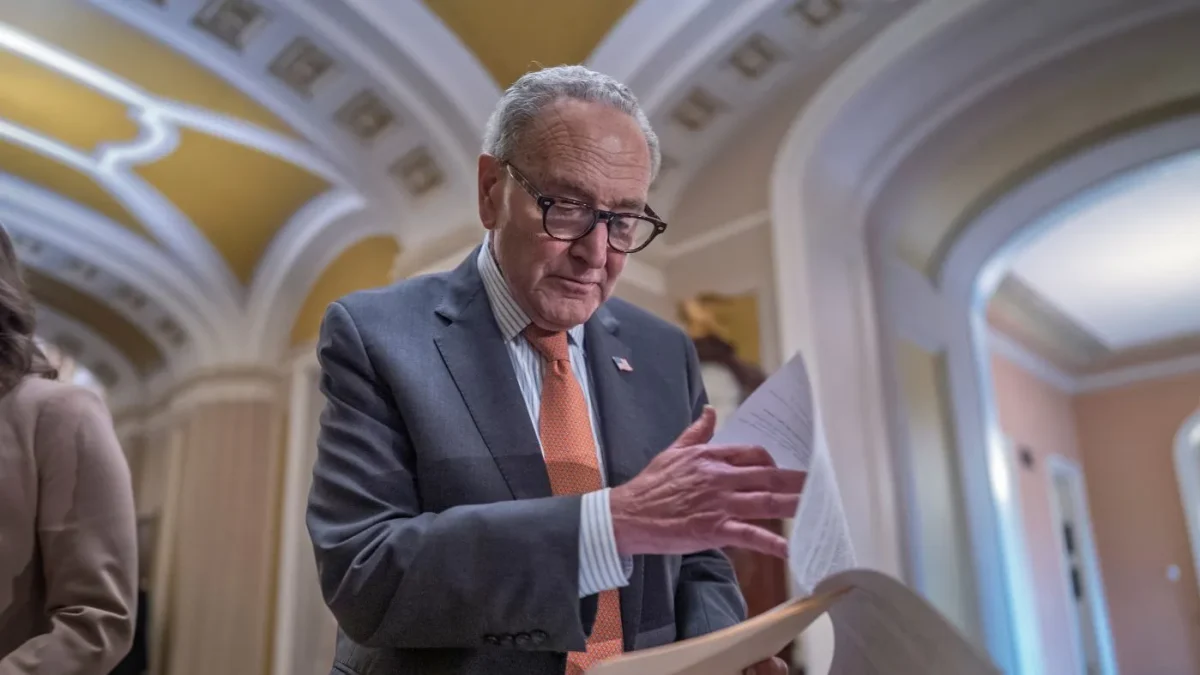
Table of Contents
Schumer Condemns Trump’s Pause on Russia Sanctions as Critics Warn of Fallout for Ukraine
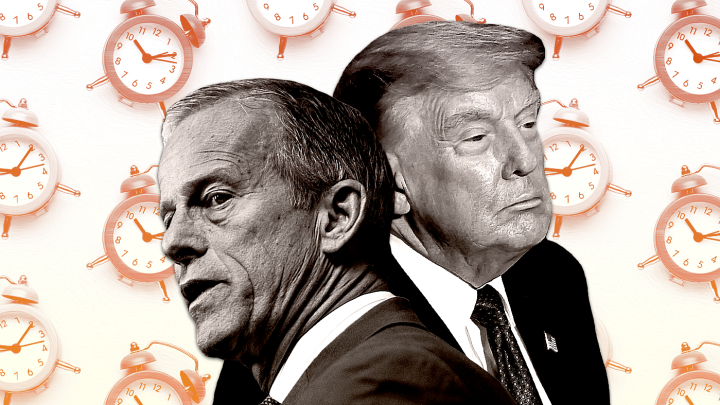
Provpnadvice.com – Senate Minority Leader Chuck Schumer sharply criticized President Trump after the administration halted new Russia-related sanctions only days before they were due to begin, arguing that the decision gives Vladimir Putin a major political and economic advantage.
The Democratic leader from New York framed the move as a retreat from pressure intended to punish Russia for its continued war against Ukraine. In a post on X, Schumer said the decision would help sustain Russia’s economy at a time when lawmakers had sought tougher consequences for countries purchasing Russian fuel.
“By giving the Russian economy life support Trump’s deal with the devil keeps getting dirtier,” Schumer wrote. “There’s nothing America First about Trump caving in to Putin and exempting Russia from US sanctions.”
Trump signed a broad legislative package into law last month that included potential tariffs of as much as 100 percent on the five largest buyers of Russian fuel. Those measures were designed to increase the economic cost of supporting Russia’s energy sector. But an executive order issued Friday night suspended the sanctions before they took effect.
Energy policy at the center of the dispute
The latest action came after another decision by Trump last week to remove sanctions on Russian diesel products. That step allowed Russia to begin exporting 300,000 tons immediately to the United States and wider international markets as fuel shortages affect supplies around the world.
The diesel decision prompted criticism from lawmakers in both parties. For opponents, the concern is not limited to the immediate flow of fuel. They argue that easing restrictions could reduce leverage against Moscow while Russia continues its military campaign in Ukraine. Supporters of stringent sanctions have long viewed energy exports as a central source of Russian economic strength, making fuel-related measures particularly significant.
Ukraine’s president, Volodymyr Zelensky, warned Saturday that the relief measures could place Ukrainians at greater risk. His country has been resisting Russia’s invasion through a war that has lasted for years, and he argued that rolling back pressure on Russia would not advance efforts to end the conflict.
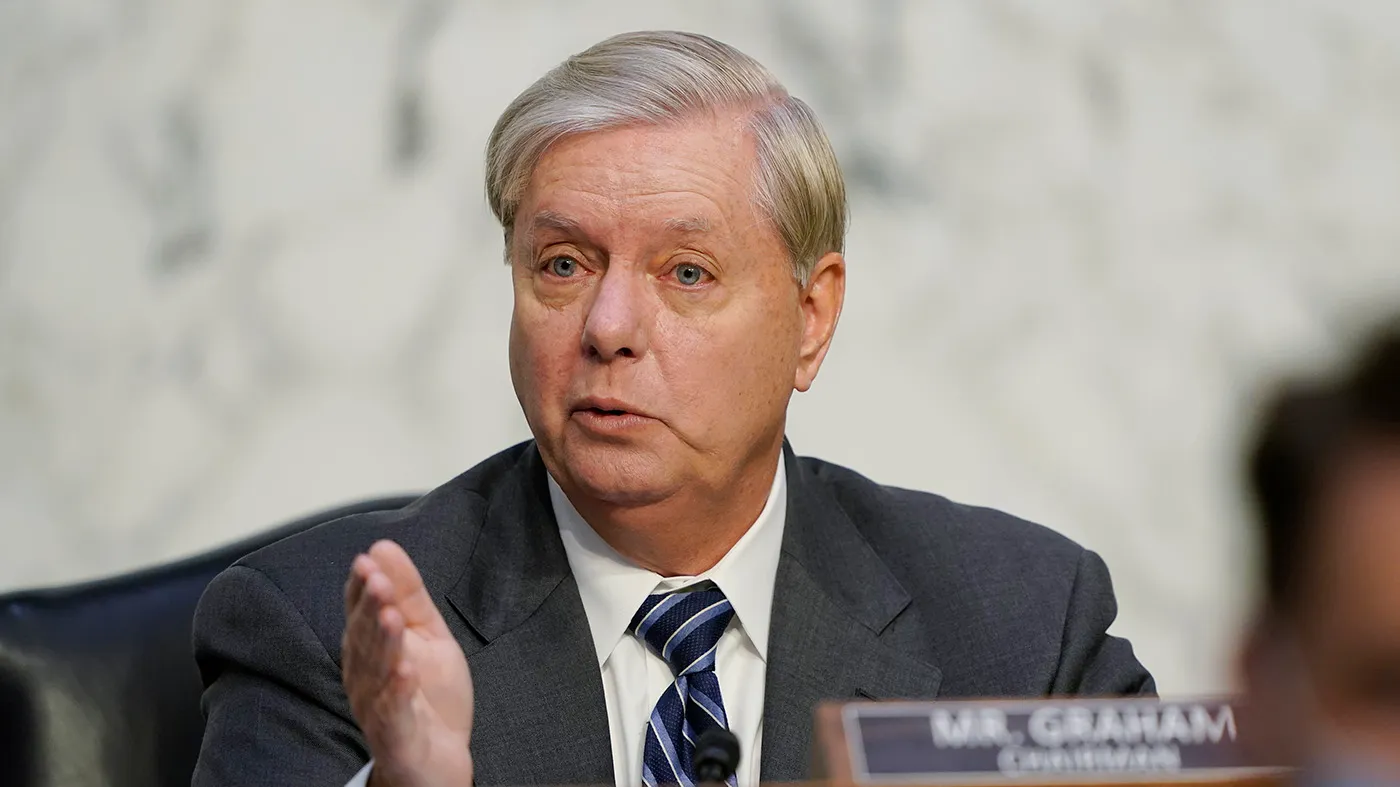
“It’s difficult without him, I’ll be honest,” Zelensky wrote, referring to the late Sen. Lindsey Graham. “I want to thank both Democrats and Republicans who supported his bill. That was a major victory: this truly bipartisan support.
“And now, the decision to undo all of this, to block all of it, seems wrong to me,” he continued. “And it definitely helps only the Russians. It only fuels their satisfaction and their desire to keep killing people. This certainly does not stop the war.”
The sanctions package had been named for Graham, the South Carolina Republican who advocated for stronger U.S. backing of Ukraine during the conflict. Zelensky’s comments emphasized that the measure had drawn support across party lines before Trump’s executive order intervened.
Democrats call for Congress to revisit the law
Rep. Don Beyer of Virginia, the leading Democrat on Congress’s Joint Economic Committee, also condemned the executive order. Beyer said the administration was disregarding the intent of lawmakers who wanted the legislation to hold Russia accountable for what he described as an illegal war of aggression.
“Trump’s latest surrender to Putin again betrays our Ukrainian partners and defies clear congressional intent of legislation designed to punish Russia for its illegal war of aggression,” Beyer said.
Beyer also raised broader concerns about the powers contained in the legislation. While the tariff provisions are not being used at the moment, he warned that the law could allow the president to direct new trade authorities against allies and other trading partners.
“Trump has proven he will twist this law and abuse the powers it conferred on him, and while he has let the tariff powers lie for the moment, the law as written also empowers Trump to weaponize new trade authorities against our allies and trading partners,” Beyer said. “Congress must fix this flawed law to stop Trump from capitulating to Putin and ensure it truly supports Ukraine.”
The disagreement illustrates a recurring tension in U.S. policy toward Russia: whether economic pressure should be maintained as a means of weakening Moscow’s ability to finance the war, or eased in response to global energy needs and fuel-market strains. The executive order has placed that question back at the center of debate in Washington.
Republican objections add to bipartisan pressure
Criticism did not come solely from Democrats. Retiring Sen. John Cornyn, a Texas Republican, reacted on social media by invoking Graham’s name.
“Lindsey would be appalled,” Cornyn wrote.
Sen. Thom Tillis of North Carolina, who is leaving the Senate and has frequently criticized the Trump administration, described the sanctions relief as dangerously irresponsible. Tillis argued that the administration should pursue other policies if its goal is to reduce energy costs for Americans.
“It’s unconscionable that this administration is capitulating to a Russian dictator who illegally invaded Ukraine and butchers innocent civilians every single day,” Tillis said. “If the President wants to actually bring down energy prices, he can do it by solving the Iran problem, not by doing a solid for Vladimir Putin.”
For Ukraine and its supporters in Congress, the practical question is whether the pause remains temporary or signals a broader shift in the United States’ approach to Russia. The sanctions were intended to impose consequences not only on Moscow but also on major overseas purchasers of Russian fuel. Suspending them removes an imminent threat of tariffs and gives Russia more room to sell energy abroad.
Trump’s decision has therefore become more than a dispute over a single executive order. It has renewed a bipartisan argument over congressional authority, the reliability of U.S. support for Ukraine, and whether energy-market pressures should outweigh efforts to isolate Russia economically while the war continues.
Related Reading
Frequently Asked Questions
What is Schumer?
Schumer is the main topic of this guide. The article explains the context, practical details, and next steps readers should understand.
Why does Schumer matter?
Schumer matters because readers are looking for a useful answer, not just a short summary. Good content should match search intent and help them decide what to do next.