Experts say Cornell case highlights struggle with sexual assault prevention programs

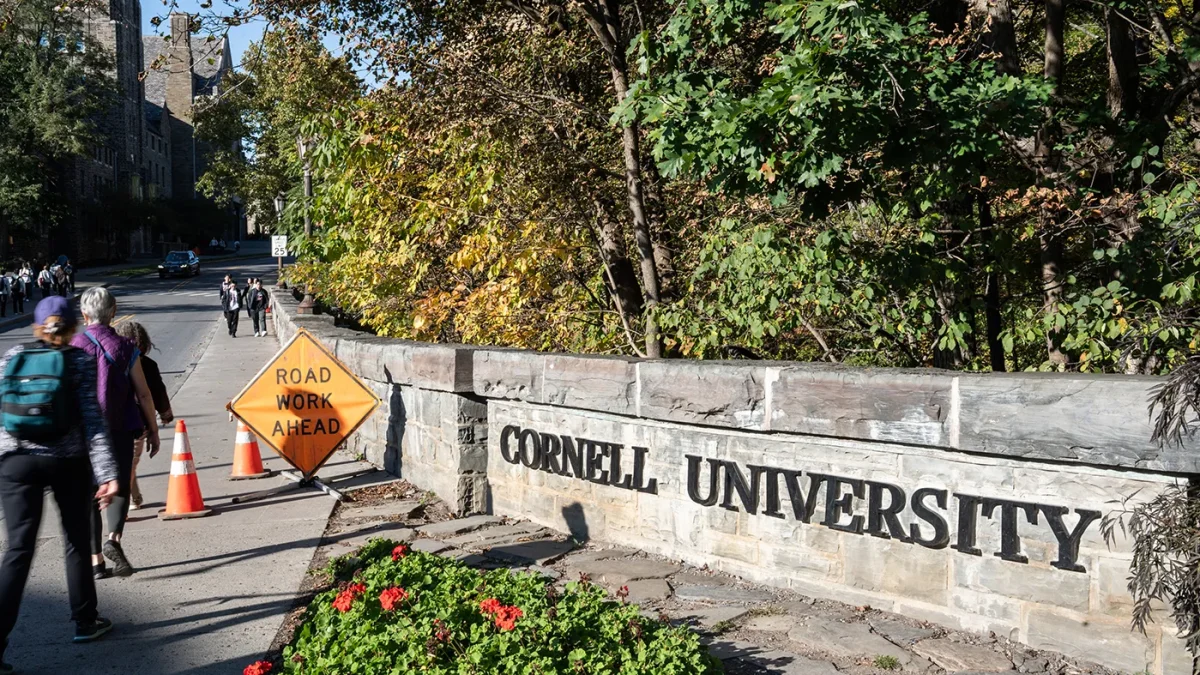
Table of Contents
Experts Say Cornell Case Highlights Campus Prevention Challenges
Provpnadvice.com – Experts say Cornell case highlights the limits of relying on one-time sexual assault prevention training. Allegations involving Cornell University students have renewed scrutiny of whether colleges are doing enough to prevent violence before it occurs, rather than simply responding after harm is reported.
Cornell President Michael Kotlikoff said the university plans to strengthen its response through additional prevention resources, expanded bystander-intervention education and consultation with national sexual violence prevention specialists. The effort is intended to address campus behavior and expectations, not merely satisfy a compliance requirement.
The discussion reflects a broader challenge across higher education. Prevention programs can help students better understand consent, available resources and ways to intervene, but experts say the evidence is less clear on whether those programs consistently reduce sexual violence.
Awareness does not always become action
Heather Kettrey, an associate professor in Clemson University’s Department of Sociology, Anthropology and Criminal Justice, took part in a 2023 meta-analysis of campus prevention programs. The research found that these efforts were more effective at improving knowledge and attitudes than at reducing violence itself.
“Typically, programs aim to change knowledge and attitudes as a means of preventing violence. Although campus sexual assault prevention programs do appear to improve knowledge and attitudes, there is not strong evidence that campus sexual assault programs are doing much to prevent violence,” Kettrey said.
That gap matters in real-life situations. A student may understand consent and recognize warning signs, yet still hesitate to intervene when alcohol, friendships, social pressure or fear of conflict are involved. Effective prevention must help students apply what they know in difficult, immediate circumstances.
Federal law requires colleges receiving federal funding to provide sexual assault prevention programming under the Campus Sexual Violence Elimination Act. However, there is no single required format. Many students encounter the subject only once, such as during orientation or through an online compliance module.
Why repeated, trusted education matters
Experts say Cornell case highlights why prevention education may need to be ongoing rather than limited to a student’s first days on campus. Omny Miranda Martone, founder and CEO of the Sexual Violence Prevention Association, said students may dismiss a single early session, particularly when it is delivered by someone they do not know.
“Right now, a lot of people are learning this information once at the very beginning when they first get to college. Everyone’s a stranger, especially whoever’s teaching them this information … They don’t have trust in this person or rapport with this person,” Martone said.
Martone said prevention should extend beyond advice about individual safety. Students also need to recognize harmful comments, conduct and group dynamics, and understand that intervention can mean challenging friends, interrupting a risky situation or refusing to encourage abusive behavior.
In discussing the Cornell allegations, Martone stressed that a single person objecting in a group could affect how events unfold. Her point reflects a core goal of bystander education: helping people feel responsible for speaking up instead of assuming someone else will act.
Campus Sexual Assault Prevention FAQ
What can students do if they witness concerning behavior?
Students can seek help, interrupt the situation when it is safe to do so, check in with the person who may be at risk, or contact campus resources or emergency services. Intervention does not have to mean confronting someone alone.
Why is bystander intervention important?
The bystander effect can lead people to remain silent because they expect others to respond. Training can give students practical options for acting safely and make clear that silence can reinforce harmful group behavior.
What should universities prioritize?
Universities can provide prevention education repeatedly, make it relevant to students’ daily social settings and build trust in the people delivering it. Experts say Cornell case highlights the need for programs that move beyond awareness and help students act when it matters.
Related Reading
Frequently Asked Questions
What is Experts say Cornell case highlights struggle?
Experts say Cornell case highlights struggle is the main topic of this guide. The article explains the context, practical details, and next steps readers should understand.
Why does Experts say Cornell case highlights struggle matter?
Experts say Cornell case highlights struggle matters because readers are looking for a useful answer, not just a short summary. Good content should match search intent and help them decide what to do next.