Deadline to reduce your student loan interest rate extended: What to know


Table of Contents
Student Loan Borrowers Get More Time to Secure a Lower Interest Rate
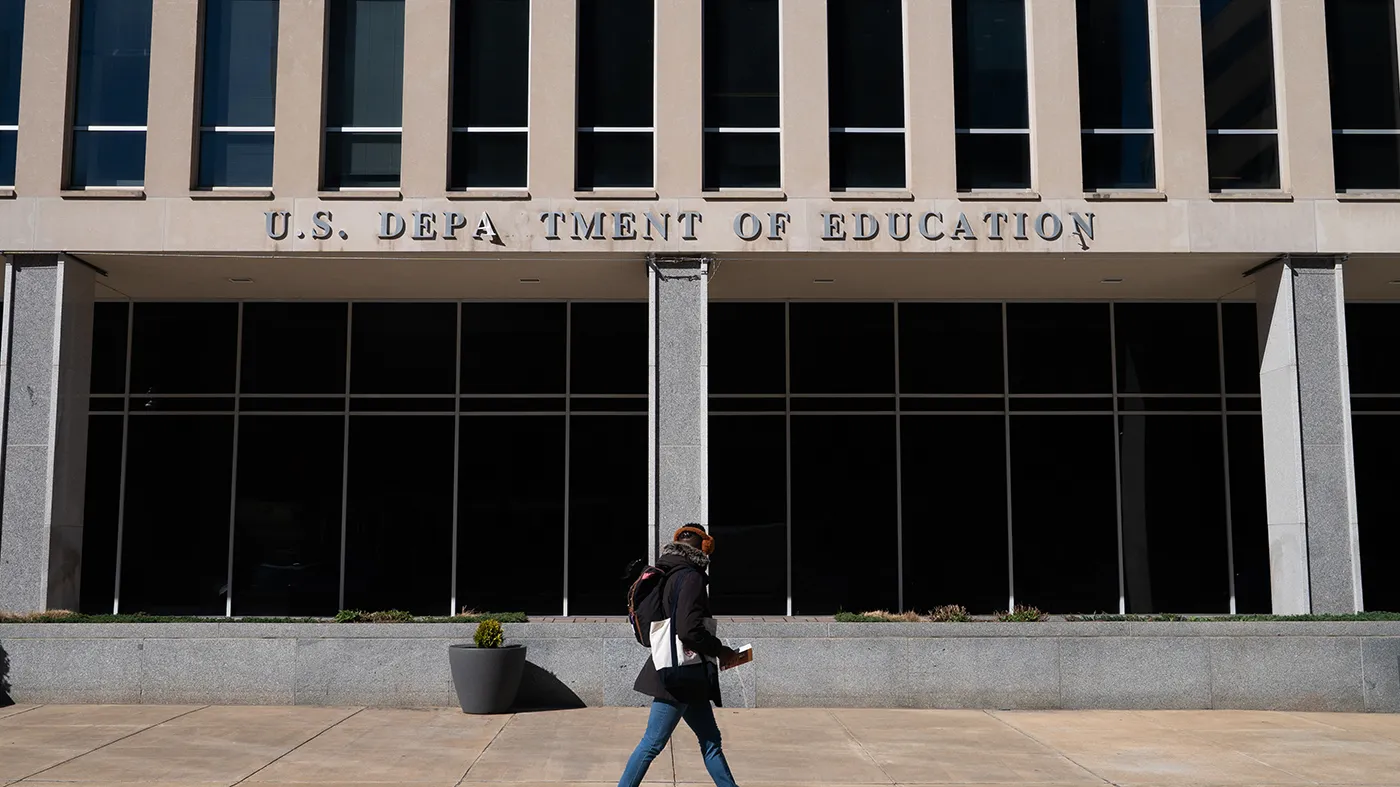
Provpnadvice.com – Federal student loan borrowers now have an extended opportunity to reduce the interest rate on eligible loans by enrolling in automatic payments. The Education Department moved the enrollment deadline to Dec. 31, 2026, giving borrowers substantially more time to qualify for the temporary 1 percent interest-rate reduction.
The extension was announced Tuesday, shortly before the previous Sept. 30 deadline was scheduled to expire. The larger discount, introduced earlier this summer, is available through the end of June 2028 for borrowers who meet the program’s requirements and remain enrolled in automatic payments.
How the 1 Percent Reduction Works
Borrowers who want the reduced rate must sign up for auto pay through their federal loan servicer by the new Dec. 31, 2026 deadline. Setting up automatic payments generally requires logging in to the servicer account, providing bank account details and selecting payment settings.
Before July 1 of this year, borrowers using automatic payments typically received a 0.25 percent interest-rate reduction. The newer 1 percent reduction offers a larger incentive for borrowers to make payments electronically and on schedule.
People who already have automatic payments enabled should be receiving the higher reduction if they satisfy the eligibility rules. Borrowers should review their loan-servicer account information to confirm their enrollment status, payment method and applicable interest-rate benefit.
Only loans that originated after July 1, 2012 qualify for the 1 percent reduction. Enrollment alone is not enough: borrowers must stay on auto pay and continue meeting all program conditions throughout the period in which they receive the lower rate.
“Meet all eligibility criteria” to continue receiving the 1% interest rate reduction.
What Borrowers in Default Need to Do
Borrowers whose federal student loans are in default have additional steps before they can enroll in auto pay. They must first consolidate eligible loans through StudentAid.gov and then apply for a new repayment plan. Once those requirements are completed, they may become eligible to use automatic payments and receive the interest-rate benefit.
For borrowers dealing with default, the sequence matters. Auto pay is not presented as a standalone solution for a defaulted federal loan balance; consolidation and selection of a new repayment plan are required before automatic-payment eligibility can be established.
Why Automatic Payments Matter Beyond the Rate Discount
The lower interest rate is one reason to consider auto pay, but the Education Department has also linked enrollment to access to important repayment-related benefits. Automatic payments can help borrowers maintain a regular payment record, which may be especially relevant for people pursuing loan-forgiveness programs or managing long-term balances.
One option highlighted by officials is the Repayment Assistance Plan, a recently introduced repayment choice intended to give borrowers a match on timely payments. The department describes the feature as a way to prevent interest from accumulating while helping loan balances decrease each month.
“A match on their on-time payments to ensure interest does not accrue and balances decline every month.”
Making payments on time is also significant for borrowers seeking Public Service Loan Forgiveness. That program depends on qualifying employment and qualifying payments, so borrowers considering forgiveness should carefully review their repayment-plan status and payment history rather than assuming auto pay alone establishes eligibility.
Enrollment Has Increased Since the New Incentive Was Announced
At the beginning of the year, roughly 40 percent of federal student loan borrowers were using auto pay. Since the 1 percent rate reduction was announced, nearly 2 million additional borrowers have enrolled.
The extended deadline may be particularly useful for borrowers who have not yet reviewed how their student-loan payments are handled. A borrower can check whether auto pay is already active by visiting the account maintained by the loan servicer. Those who are not enrolled can look for the automatic-payment option, then enter the requested banking information and payment preferences.
Before making changes, borrowers may wish to ensure that the linked bank account will consistently have sufficient funds for the scheduled payment. They should also keep account details current if they change banks, close an account or adjust payment arrangements.
A Broader Shift in Federal Student Loan Repayment
The interest-rate change arrives during a period of wider adjustments to federal student lending and repayment. One of the most consequential developments this year was the end of the Saving on a Valuable Education plan, commonly known as SAVE. The Biden-era program had provided monthly payments as low as $0 for some of its 7 million federal student loan borrowers.
Borrowers affected by the end of SAVE were expected to receive notice in July that they would need to move into another repayment plan. That transition makes it important for borrowers to understand the differences among available plans, review their servicer communications and avoid overlooking deadlines connected to their loan status.
Other changes took effect this summer as well. Parent PLUS loan limits and related repayment options were revised, while new restrictions also affected how much graduate students may borrow. Federal student loan borrowers now face a lifetime limit on total borrowing for the first time.
Key Dates and Next Steps
The central date for borrowers interested in the auto-pay interest benefit is Dec. 31, 2026. Enrolling by then may allow eligible borrowers to receive the 1 percent reduction through June 2028, provided they remain enrolled and continue satisfying program rules.
Borrowers should begin by identifying their loan servicer, logging in to the correct account and reviewing whether automatic payments are already in place. Those with loans in default should first explore consolidation of eligible loans through StudentAid.gov and apply for a new repayment plan before attempting to enroll in auto pay.
With repayment programs, borrowing caps and eligibility requirements changing across the federal student loan system, keeping account information updated and reviewing official notices can help borrowers understand which options apply to their individual loans.
Related Reading
Frequently Asked Questions
What is Deadline to reduce your student loan?
Deadline to reduce your student loan is the main topic of this guide. The article explains the context, practical details, and next steps readers should understand.
Why does Deadline to reduce your student loan matter?
Deadline to reduce your student loan matters because readers are looking for a useful answer, not just a short summary. Good content should match search intent and help them decide what to do next.