Alito: ‘I thought about’ retiring at end of last term

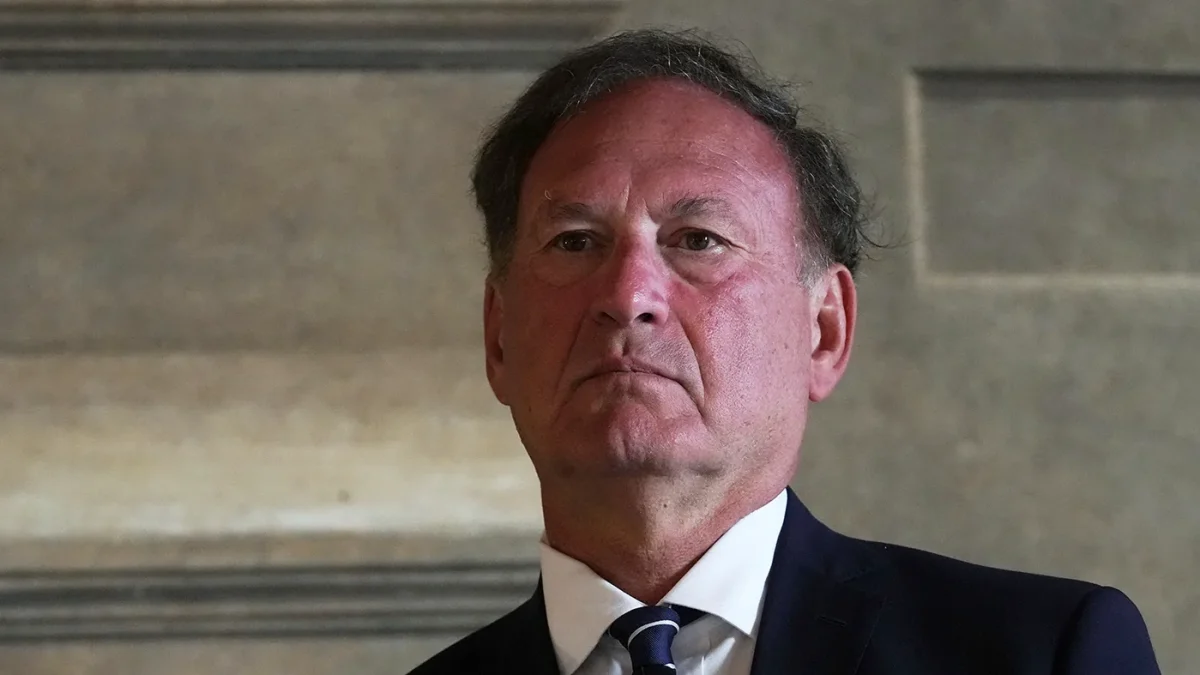
Table of Contents
Alito Says Retirement Was a Consideration, but He Chose to Remain on the Court
Provpnadvice.com – Alito – Justice Samuel Alito said he considered stepping down from the Supreme Court after its most recent term, but concluded that he could still serve a meaningful role on the bench. His comments addressed months of attention surrounding whether he might retire while Republicans held the Senate.
In a television interview, Alito was asked whether political pressure had influenced his thinking. Republican lawmakers and allies had urged him to consider leaving the court at a moment when the party could potentially support confirmation of a successor.
“I thought about it,” Alito said. “Well, it’s something I think that somebody at my age has to think about every term.”
Alito, who was 76 at the time of the interview, explained that his decision centered on whether he remained able to contribute to the court’s work. He said that belief was the reason he initially pursued a career as both a judge and a justice.
“But I thought that I could still make a valuable contribution, which is why I became a justice and a judge in the first place. So that is basically it,” he said.
A Decision That Can Change Year to Year
The justice indicated that retirement will remain an issue he considers regularly. For members of the Supreme Court, lifetime appointments mean there is no mandatory retirement age, leaving each justice to decide when continued service is no longer appropriate.
That choice can carry broad consequences because a vacancy allows the sitting president to nominate a replacement, subject to Senate confirmation. The political balance of the White House and Senate can therefore shape the timing and stakes of a retirement decision.
When asked whether a later departure could jeopardize the legal direction he has helped establish, Alito said the future is difficult to anticipate. The question invoked the experience of the late Justice Ruth Bader Ginsburg, whose death in 2020 enabled President Donald Trump to nominate Justice Amy Coney Barrett.
“I think it’s too hard to predict. It’s too hard to predict, for anybody, particularly when you reach a certain age, what your situation will be a year from now, two years from now, and so forth,” Alito said. “And it’s too hard to predict what the political situation will be, and what any president might do with respect to a replacement.”
His response underscored that personal health, professional capacity and the political environment can all change quickly. A justice may weigh each factor, but cannot know who will control the presidency or the Senate at the point a vacancy arises.
More Than Two Decades on the Supreme Court
President George W. Bush nominated Alito to the Supreme Court, where he has served for more than 20 years. He is the court’s second-oldest member, behind Justice Clarence Thomas, who was 78 at the time.
Alito is widely viewed as part of the court’s conservative bloc. That group also includes Chief Justice John Roberts and Justices Thomas, Barrett, Brett Kavanaugh and Neil Gorsuch. The alignment of justices can be especially significant in closely divided cases, where a single vote may determine the outcome.
Speculation over Alito’s future had already prompted him to address the issue publicly. In August, he dismissed suggestions that he would soon leave the court, saying he expected to be present for another term.
“Obviously I’m here for another term,” Alito said.
Questions about his retirement intensified after an incorrect report stated that he had announced plans to leave the court on the final day opinions were released for the term. The report was later withdrawn, and journalist Nina Totenberg sent Alito an apology letter.
The episode illustrated how quickly reports about Supreme Court vacancies can attract national attention. A retirement announcement is consequential not only for the court’s membership, but also for the nomination process that follows and the legal debates likely to shape future cases.
For now, Alito’s comments make clear that he did not decide to retire at the end of the prior term. While he acknowledged that the subject warrants consideration at his stage of life and career, he said he remained convinced that he could continue making a worthwhile contribution from the bench.
Related Reading
Frequently Asked Questions
What is Alito?
Alito is the main topic of this guide. The article explains the context, practical details, and next steps readers should understand.
Why does Alito matter?
Alito matters because readers are looking for a useful answer, not just a short summary. Good content should match search intent and help them decide what to do next.