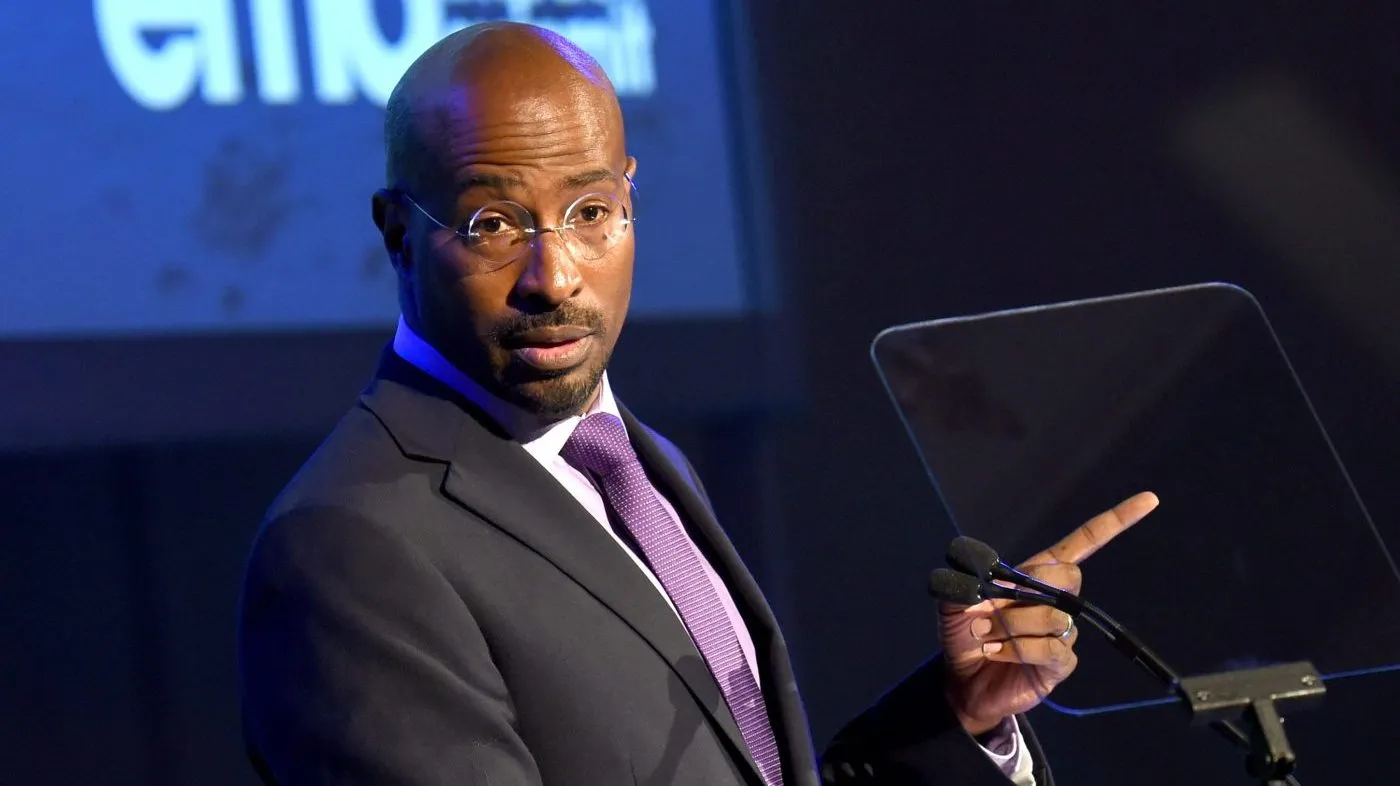
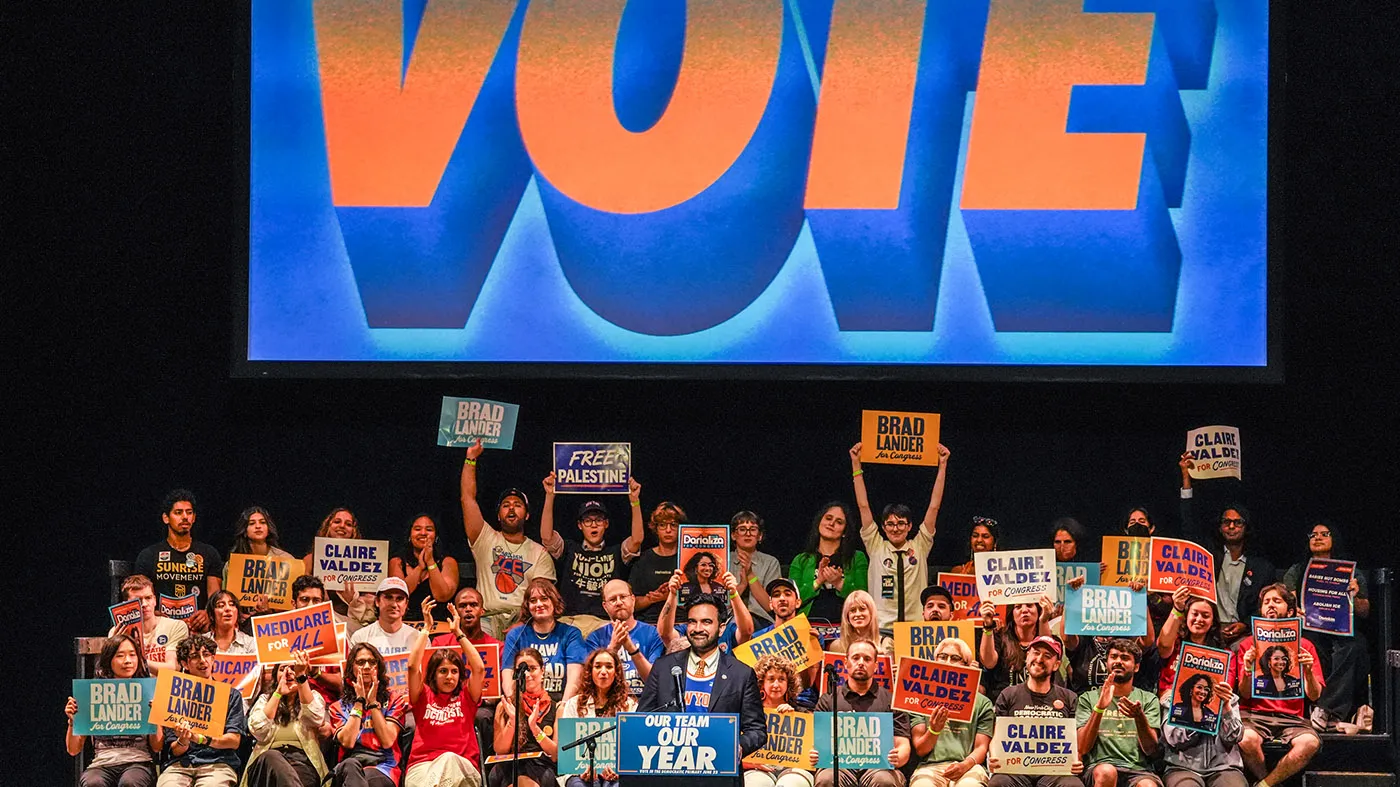
Younger candidates are finding it tough to break into Congress

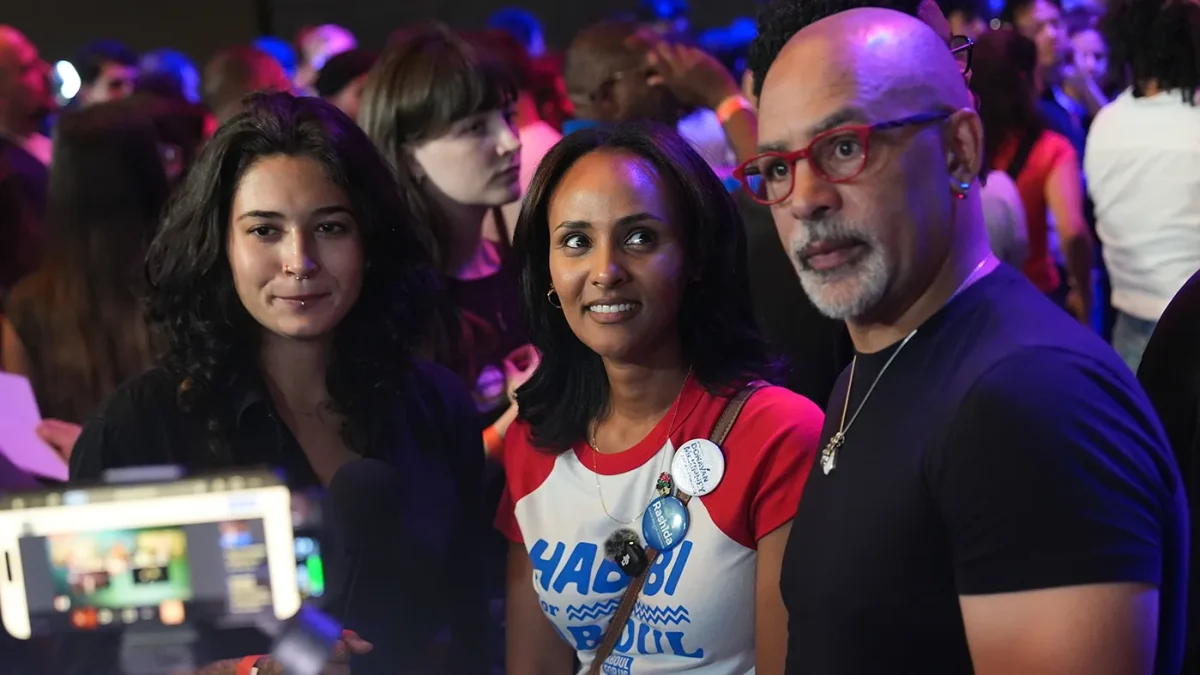
Table of Contents
Gen Z Candidates Face Steep Climb in Congressional Races
Provpnadvice.com – A growing number of young Americans are seeking seats in Congress, motivated by frustration with political stalemate and a desire to shape decisions that will affect their futures. Yet enthusiasm has not translated into many victories. More than 100 Generation Z candidates entered congressional contests during this election cycle, but only a small share have broken through.
The challenge reflects the formidable realities of federal campaigns: money, party infrastructure, name recognition and the advantage held by incumbents. Younger candidates often bring energy, online reach and volunteer networks, but those assets do not always create the local support needed to win a district.
Funding and Party Support Remain Major Obstacles
Layla Zaidane, president and CEO of Future Caucus, said many Gen Z contenders run outside the two dominant political parties. That choice can reflect the increasing independence seen among younger voters, but it also creates a more difficult electoral path.
“That mirrors the growing independence of Gen Z voters, and more broadly, that there are more people who are registering as unaffiliated,” Zaidane said. “When it comes to election day, we’re just seeing more Gen Zers fail.”
Financial constraints are another recurring hurdle. Candidates in their 20s generally have less personal wealth, fewer established donor relationships and limited access to the fundraising networks available to longtime officeholders. Grassroots enthusiasm can generate attention, but it does not necessarily match the resources of a well-funded rival.
“A lot of Gen Zers are running based on enthusiasm or some grassroots energy, but they aren’t as well-funded as their opponents,” Zaidane said.
Adam Pennings, executive director of Run Gen Z, which recruits and mentors young conservatives seeking state office, said winning a high-level federal position can be particularly difficult for members of the generation. Beyond fundraising, young challengers begin without the institutional advantages of incumbency.
Social media offers a way to introduce a candidacy, mobilize supporters and collect smaller donations. But a large digital audience does not automatically reach the voters in one congressional district who will decide the race.
“You are a young person and that is a benefit because you’re going to live with the consequences of your votes for 40, 50, 60 years,” Pennings said.
A Colorado Campaign Shows What a Breakthrough Can Require
Melat Kiros, a 29-year-old democratic socialist, stands apart from many first-time Gen Z contenders after defeating longtime Rep. Diana DeGette in a prominent Democratic primary for Colorado’s 1st Congressional District. Kiros is expected to win the strongly Democratic seat in November.
Her campaign combined financial strength with extensive field organizing. Federal Election Commission data showed that Kiros raised more than $1 million. Her campaign also said its volunteers and staff completed over 500,000 calls and knocked on 100,000 doors. DeGette raised $1.6 million, leaving the incumbent with a fundraising advantage even as Kiros prevailed in the primary.
The race illustrates that age alone is not a substitute for campaign organization. A younger candidate can become competitive when fundraising, volunteer activity and a clear political message align, but assembling those elements remains unusually demanding for newcomers.
More Young People Are Entering Politics
Despite the setbacks, the candidate pool is becoming younger. Zaidane said that earlier elections saw roughly one in six candidates under age 45, while the figure has risen to one in three. The increase suggests that more people are deciding to run before building decades-long political careers.
“It includes more younger candidates, and that enthusiasm, appetite and choice to run in the first place is something that has been steadily increasing,” Zaidane said.
Some Gen Z candidates who did not succeed in primary contests will still have their names before voters in November. Their races span both parties and several regions, underscoring that younger political ambition is not confined to a single ideology.
In Iowa, 29-year-old former state Rep. Joe Mitchell, a Republican, is seeking a congressional seat against Democratic state Rep. Lindsay James. The district is currently represented by Republican Rep. Ashley Hinson, who is pursuing a Senate campaign. Mitchell also helped establish Run Gen Z in 2020.
Wisconsin Republican Michael Alfonso, 26, is running in the state’s 7th Congressional District. Alfonso is married to Evita Duffy, the daughter of Transportation Secretary Sean Duffy. The seat is now held by Rep. Tom Tiffany, who is leaving the House to run for governor.
In Utah’s 1st Congressional District, 27-year-old Navy Reserve member Riley Owen is campaigning as a Republican. His campaign frames his candidacy around pursuing practical results rather than political rhetoric.
Youth Does Not Limit a Candidate’s Coalition
Former Maryland congressional candidate Joe Vogel has argued that younger office seekers can appeal across age groups. Vogel, 29, is a Democratic delegate representing Maryland’s 17th Legislative District. He ran in the 2024 Democratic primary for the state’s 6th Congressional District, where Rep. April McClain Delaney won.
Vogel said the experience strengthened his work in the Legislature and expanded his understanding of communities throughout Maryland. He also pushed back on the assumption that a young candidate can only connect with young voters.
“One of the misconceptions that I think folks have about young candidates is that we only appeal to young voters, and that’s not the case,” Vogel said. “In both of my campaigns, we really built a multigenerational movement of folks.”
The broader question is whether the expanding number of younger candidates can gradually overcome the barriers that have limited their success. Many will lose difficult races, particularly against incumbents or better-financed opponents. Still, campaigns can build future donor lists, volunteer organizations, policy experience and public recognition. For a generation seeking a stronger role in national politics, those efforts may become the foundation for a more durable presence in government.
Related Reading
Frequently Asked Questions
What is Younger candidates are finding it tough?
Younger candidates are finding it tough is the main topic of this guide. The article explains the context, practical details, and next steps readers should understand.
Why does Younger candidates are finding it tough matter?
Younger candidates are finding it tough matters because readers are looking for a useful answer, not just a short summary. Good content should match search intent and help them decide what to do next.