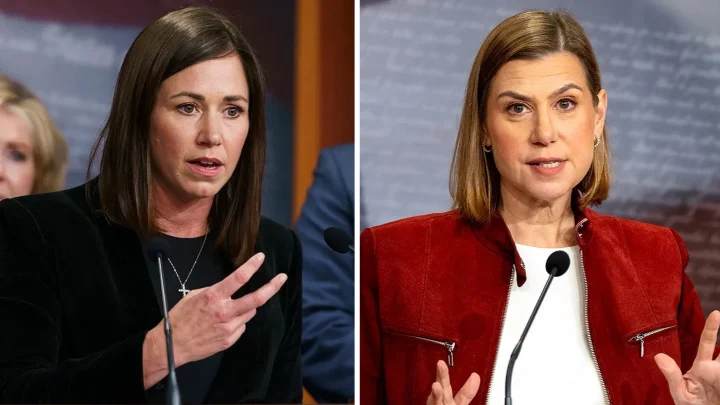
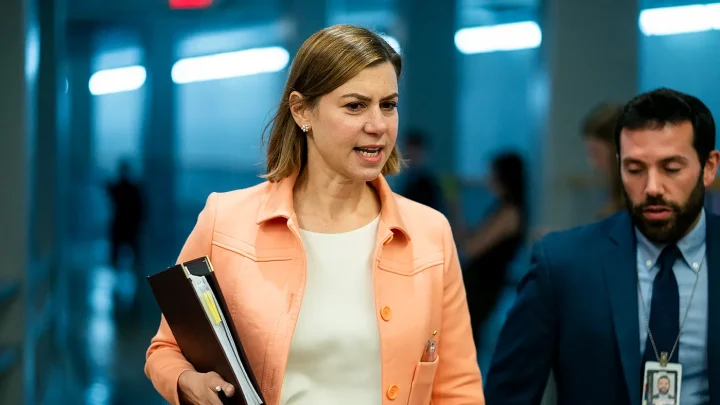
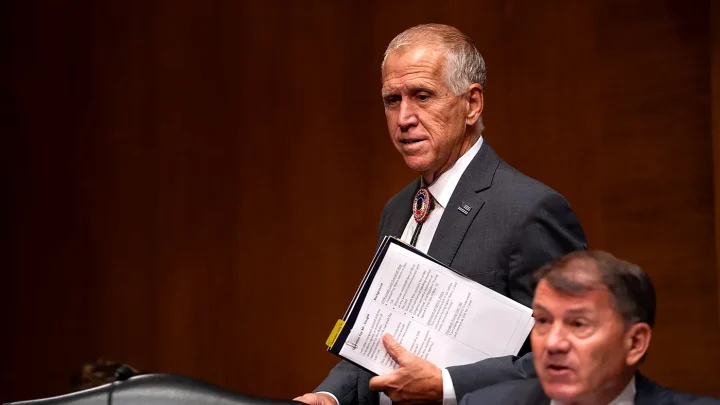
Thune seeks lifeline for 3 embattled Senate GOP incumbents

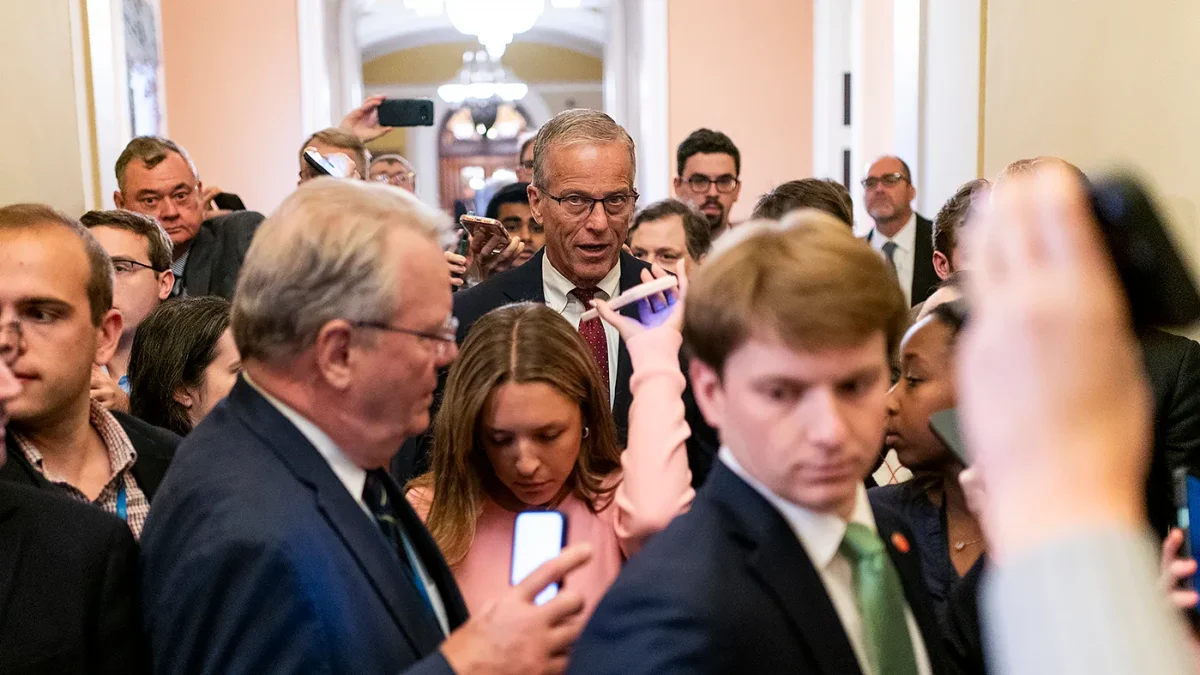
Table of Contents
Senate GOP Leaders Put Data Centers and Stock Trading at Center of Key Election-Season Votes
Provpnadvice.com – Senate Majority Leader John Thune is preparing votes on two House-approved measures that could give three vulnerable Republican senators a prominent response to campaign attacks ahead of November’s elections.
The bills, scheduled for Wednesday, address the rising footprint of artificial intelligence-driven data centers and stock trading by members of Congress. Their political importance extends beyond the policies themselves: Republican Sens. Jon Husted of Ohio, Pete Ricketts of Nebraska and Dan Sullivan of Alaska are all facing difficult races, and their outcomes could help determine whether Thune remains majority leader in 2027.
Democrats are expected to oppose the measures, arguing that the proposals fall short of meaningful reform. They have characterized the timing as an effort to help Republican incumbents under pressure rather than a serious legislative response.
Ohio Data Center Debate Takes on National Importance
Husted is sponsoring the Ratepayer Protection Act, which would direct states to consider standards requiring data centers to cover infrastructure-upgrade costs associated with their large energy demands. The House approved the measure on Sept. 16 by a 417-3 margin, with just three Democrats voting no.
The issue is particularly charged in Ohio, where Husted has become a target of Democrat Sherrod Brown, a former senator seeking the seat. Recent polling has shown Brown ahead of Husted by an average of nearly 4 percentage points.
One recent survey found that 75 percent of Ohio voters oppose data-center construction in their own communities. Brown’s campaign has sought to make Husted closely associated with the industry, including through an advertisement criticizing him for pursuing data-center development while residents contend with higher electricity costs.
Sen. Jacky Rosen, a Nevada Democrat, said she plans to vote against the data-center legislation and dismissed it as insufficient.
This bill … has no teeth. This is just a pivot.
Rosen said the vote appeared to be a political rescue effort for Husted, who has faced intense criticism over the growth of data centers in Ohio.
It sure seems like a political bailout for Husted.
Data centers have become an increasingly visible local concern because their operations can require substantial electricity, water and supporting infrastructure. The Ratepayer Protection Act is intended to address a core question raised by communities and utility customers: whether the expense of accommodating higher-demand facilities should be carried by the companies that need the additional capacity.
Stock-Trading Ban Includes Voter ID Provision
The second bill, the Stop Insider Trading Act, was sponsored by Ricketts and passed the House in July on a 232-198 vote. It would generally bar members of Congress, their spouses and dependent children from buying new stocks. Lawmakers would also have to provide public notice before selling stocks they already own.
The legislation also contains a photo-identification requirement for voters, reflecting a central element of the Safeguard American Voter Eligibility Act, or SAVE America Act. The voter-ID provision aligns with one of President Trump’s leading priorities and is aimed at addressing concerns about potential voter fraud.
Supporters can present the bill as an effort to limit potential conflicts between lawmakers’ financial activity and the information they receive while serving in Congress. Critics, however, may focus on the inclusion of the election-related provision and the broader debate over whether the measure delivers a strong enough congressional trading ban.
Ricketts is in a close Nebraska contest with independent candidate Dan Osborn. Sullivan, meanwhile, is running a competitive Alaska race against former Rep. Mary Peltola, a Democrat. Recent polling has shown both contests to be closely matched.
Thune Seeks to Shift the Campaign Debate
Thune has argued that Democrats would have a harder time attacking the three incumbents if they vote against bills addressing issues already being used in campaigns. He described both proposals as broadly bipartisan, noting their substantial House support.
It makes it pretty hard for Democrats to make that argument.
Thune said the votes give lawmakers a direct opportunity to act on public concerns involving data-center development and congressional stock ownership.
If you’re really serious about doing something on data centers, then voting for Husted’s bill would be a great solution. And if you’re concerned about members using the knowledge and information they have here in some sort of a financial way, then passing the stock act would be a great way to address it.
Because the House has already approved both bills, Senate passage would allow them to be sent directly to the president. Thune emphasized that point as he urged senators to support the measures.
Both of those would literally go to the president’s desk.
The Wednesday votes arrive as Senate control has become more uncertain than many political observers expected at the opening of the election cycle. Democrats are increasingly seen as having a path to reclaiming the chamber, making the contests in Ohio, Nebraska and Alaska especially consequential for both parties.
For Husted, Ricketts and Sullivan, the debate offers an opportunity to frame themselves as responsive to issues affecting voters’ household costs, trust in government and local development. For Democrats, the votes provide another chance to argue that the proposed reforms are too limited to address those concerns fully.
Related Reading
Frequently Asked Questions
What is Thune seeks lifeline for 3 embattled?
Thune seeks lifeline for 3 embattled is the main topic of this guide. The article explains the context, practical details, and next steps readers should understand.
Why does Thune seeks lifeline for 3 embattled matter?
Thune seeks lifeline for 3 embattled matters because readers are looking for a useful answer, not just a short summary. Good content should match search intent and help them decide what to do next.