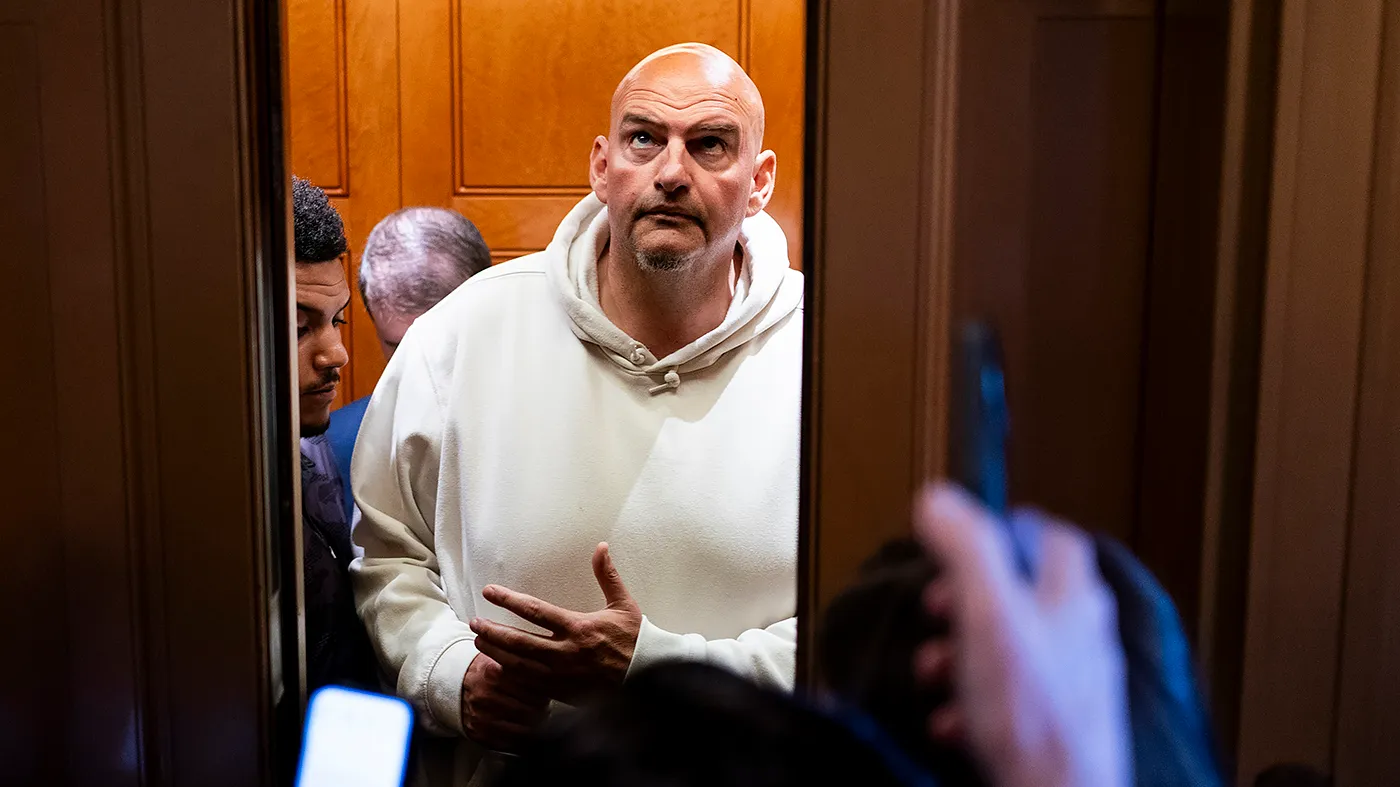
Fetterman defends political identity, weighs potential role as 51st senator

Table of Contents
Fetterman Reaffirms Democratic Ties While Leaving Senate Tie-Break Questions Open
Provpnadvice.com – Pennsylvania Sen. John Fetterman said Saturday that he remains committed to the Democratic Party, even as his voting record and public relationships with Republican colleagues have prompted repeated questions about his political future.
Speaking during the closing keynote session of the Texas Tribune Festival in Austin, Fetterman said Democrats could plausibly win control of 51 Senate seats in November. He declined, however, to forecast how he might approach a situation in which his vote became decisive on legislation dividing the parties.
“Let’s revisit after the midterms, and let’s see what happens, you know, if I happen to be 51. I don’t know,” Fetterman said.
The remark reflected the uncertainty surrounding both the election outcome and the legislative choices that could follow it. A 51-seat majority can give a party greater room to maneuver in a closely divided Senate, where a single senator’s position may carry unusual weight on contentious votes.
Questions About His Party Identification
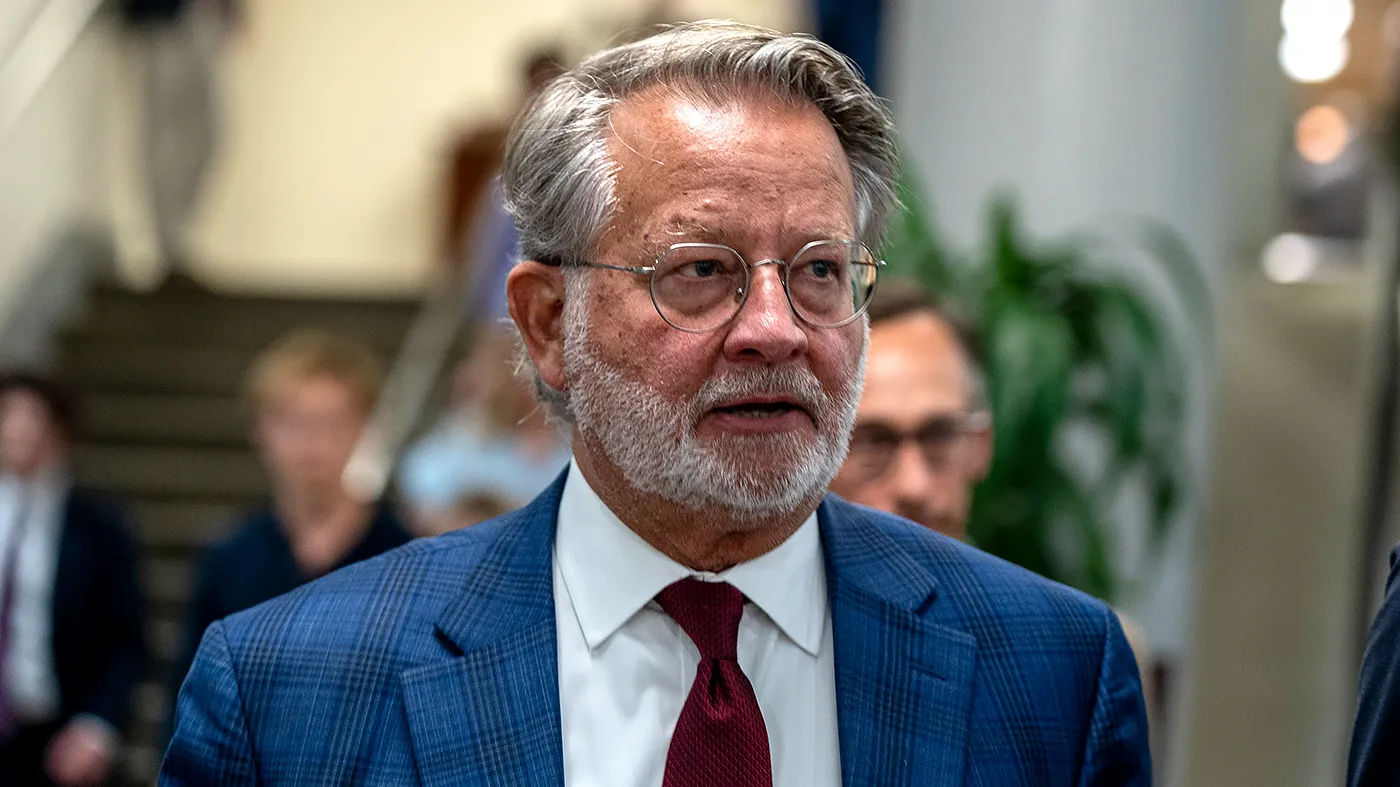
Throughout the discussion, moderator Major Garrett of CBS News returned to the question of whether Fetterman could leave the Democratic Party. The Pennsylvania senator has at times taken positions that differ from many Democrats during his first Senate term, particularly on foreign-policy issues.
Fetterman joined Republicans in opposing Iran war powers resolutions and has also argued against ending U.S. aid to Israel. Those decisions have made him a distinctive voice within his caucus, but he again rejected the idea that they signaled an impending change in party affiliation.
“I’ve said I have no path as a Republican. That’s a fact,” he said.
His comments echoed his response earlier this month after he faced criticism over an appearance at the Republican Party’s midterm convention in Dallas. In a video shown at the event, Fetterman introduced Pennsylvania Republican Sen. Dave McCormick as a “great friend.”
The appearance led to speculation that Fetterman was considering a switch, though he pushed back sharply when asked about it on Capitol Hill. He noted that he is not on the ballot in the midterms and urged critics to wait rather than draw conclusions from a video appearance or individual policy disagreements.
“I’m not going to be a Republican,” he told reporters. “Why can’t you guys just wait till the midterms? And if I turn a Republican, then I’ll be a liar. My name is not on the ballot. Chill.”
An Independent Style Within the Party
Fetterman’s position illustrates a familiar dynamic in the Senate: party membership does not require identical views on every issue. Senators often face pressure to align with their caucus, particularly when margins are narrow, while also seeking to represent the political outlook of their states and maintain individual credibility with voters.
For Fetterman, the scrutiny has intensified because his disagreements have involved some of the most divisive subjects before Congress. His willingness to vote alongside Republicans in certain cases has fueled questions about whether he sees himself as a Democrat with an independent streak or as a potential independent senator.
An audience member in Austin raised that latter possibility directly, asking why Fetterman would not adopt an independent label. His immediate answer contained a slip that he quickly turned into a joke.
“Because I’m a lifelong Republican,” the senator replied.
Garrett promptly pointed out the error, and Fetterman acknowledged that the moment would likely circulate widely.
“I guarantee you, that’s going to break through. That’ll get clipped,” Fetterman joked. “Yeah, I’m a lifelong Democrat though.”
The correction underscored the central message of his appearance: Fetterman may not always follow the prevailing Democratic position, but he continues to identify himself as part of the party. His response also suggested frustration with efforts to treat every disagreement as evidence of a pending party switch.
What a 51st Seat Could Mean
Fetterman’s reference to potentially becoming the 51st Democratic senator was not a promise about future votes. Instead, it highlighted how an expanded Senate majority could place additional attention on members who are willing to depart from party expectations on selected issues.
In a chamber where legislation often requires broad support to advance, a numerical majority does not automatically settle policy disputes. Senate rules, internal party divisions and the difficulty of assembling support across ideological lines can all shape whether a proposal moves forward. A senator’s role can become especially prominent when an issue is decided by only a few votes.
Fetterman offered no detailed formula for deciding future party-line legislation, saying the outcome of the midterms would need to be known first. That restraint leaves open how he would weigh Democratic priorities against his own views if his vote proved pivotal.
For now, his message is more straightforward than the speculation surrounding him. He has defended his freedom to break with fellow Democrats on particular votes while insisting that he has no route to becoming a Republican. Whether Democrats gain a 51-seat majority, and what that would mean for Fetterman’s influence, remains a question for after the election.
Related Reading
Frequently Asked Questions
What is Fetterman defends political identity weighs potential?
Fetterman defends political identity weighs potential is the main topic of this guide. The article explains the context, practical details, and next steps readers should understand.
Why does Fetterman defends political identity weighs potential matter?
Fetterman defends political identity weighs potential matters because readers are looking for a useful answer, not just a short summary. Good content should match search intent and help them decide what to do next.