Trump administration begins construction on Texas’s Big Bend border wall

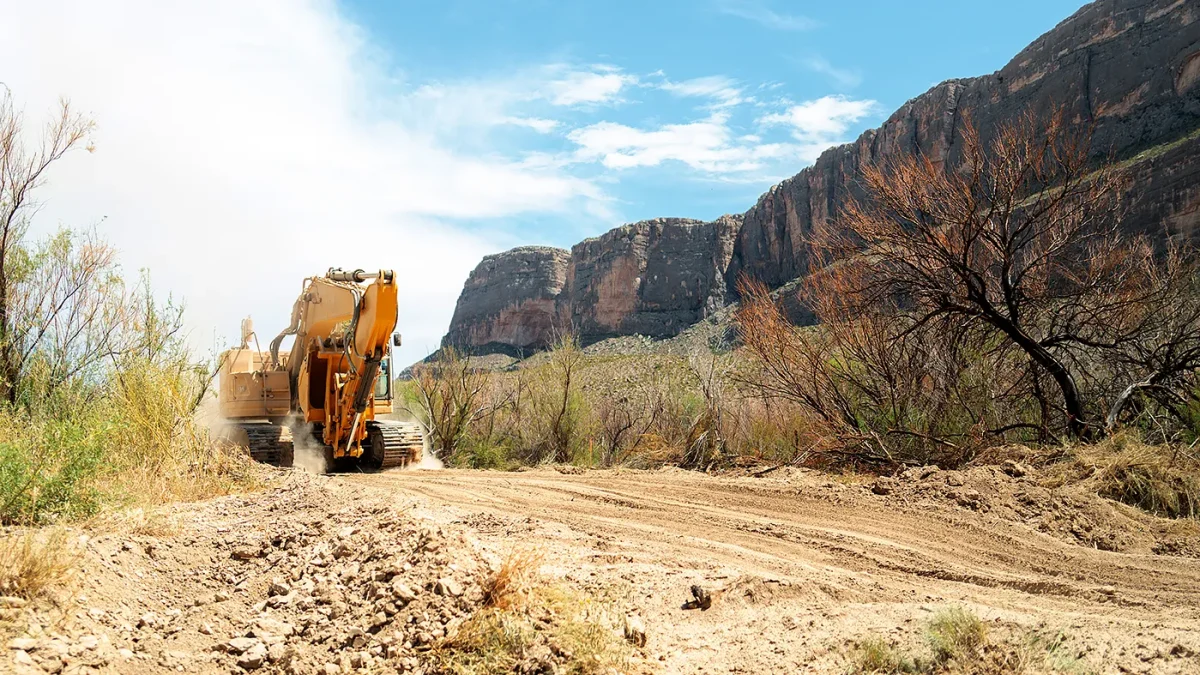
Table of Contents
Border Barrier Work Moves Forward in Texas’s Big Bend Region
Provpnadvice.com – Construction crews have begun installing new border barrier panels in southwest Texas’s Big Bend region, advancing a federal project that has drawn sustained opposition from local residents, landowners and public officials.
Customs and Border Protection has confirmed that 30-foot panels are being placed along this stretch of the U.S.-Mexico border. Work began earlier in the week, and an agency photograph showed a crane positioning a section of the structure.
The project is one of several planned in the remote Big Bend area, a distinctive region defined by the curve of the Rio Grande, rugged mountains, deep river canyons and expansive desert terrain. It also includes Big Bend National Park, an important part of the region’s landscape, identity and visitor economy.
Five Projects Planned for the Area
Federal planning documents identify five border-wall projects in the wider region. The Hudspeth County effort currently under construction is listed by Customs and Border Protection as “Big Bend 1.”
The agency has said the work will not include construction within Big Bend National Park, Big Bend Ranch State Park or the Black Gap Wildlife Management Area. Those assurances have not ended local concern, however, because the planned projects extend into a broader area whose communities, ranches and businesses are closely connected to the surrounding landscape.
Two other proposals, known as Big Bend projects 2 and 4, were temporarily halted by a federal judge through the end of September. The pause was intended to permit further public engagement before those projects proceed.
The distinction between the projects matters to residents who have sought greater input into where barriers could be placed and how construction may affect private property. Even when protected parks and wildlife areas are excluded, nearby development can still shape travel routes, views, access and the character of communities that depend on the region’s open terrain.
Residents Raise Property and Economic Concerns
Opponents have argued that the proposed barriers could interfere with landowners’ rights and alter the landscape that supports the region’s tourism-based economy. Their concerns are not limited to any single park or ranch; they extend to the broader set of towns, businesses and working properties across west Texas.
Clara Benson, founder of the No Big Bend Wall Coalition, said she had received word that construction materials were being brought into the area. Her organization intends to continue opposing the project regardless of the immediate outcome.
“We will continue fighting to the end,” Benson said. “You talk to people in west Texas and they say even if they put it up, we’ll fight for them to take it down. So this fight is not over.”
For many Big Bend residents, the debate is tied to more than the physical footprint of a wall. The region’s geography is central to daily life and to its public image: the Rio Grande, the desert and the mountains all help define a place that attracts visitors while also supporting ranching and small businesses.
Yolanda Alvarado, a local cattle rancher and regional director for No Big Bend Wall, said the possible consequences reach beyond property owners.
“Our livelihoods are threatened at this point. Not just landowners, but business owners, and not just Big Bend National Park …. it’s everyone in this region.”
Officials Have Called for More Consultation
Local objections have also been voiced by elected officials and law-enforcement leaders. In March, sheriffs from five counties signed a bipartisan letter to state and federal officials opposing construction of a wall in the region.
More recently, outgoing Texas Sen. John Cornyn, a Republican, urged federal officials to meet with stakeholders over the planned work. The call reflected a broader demand for consultation from people who live and work near the construction sites.
Border infrastructure proposals often involve competing priorities: federal agencies focus on enforcement and security objectives, while nearby communities weigh those plans against property access, environmental conditions and local economic interests. In Big Bend, those questions are particularly pronounced because of the area’s remote setting and nationally recognized scenery.
The start of work on Big Bend 1 does not resolve the larger dispute. The judicial pause affecting projects 2 and 4 leaves additional questions open, while opponents continue to organize around the remaining proposals. The outcome will help determine not only where barriers stand, but also how federal construction decisions are carried out in one of Texas’s most visually distinctive border regions.
Customs and Border Protection had not provided an immediate response to a request for additional comment on the project.
Related Reading
Frequently Asked Questions
What is Trump administration begins construction on Texas?
Trump administration begins construction on Texas is the main topic of this guide. The article explains the context, practical details, and next steps readers should understand.
Why does Trump administration begins construction on Texas matter?
Trump administration begins construction on Texas matters because readers are looking for a useful answer, not just a short summary. Good content should match search intent and help them decide what to do next.