Ohio governor, Senate races nearly tied: Poll

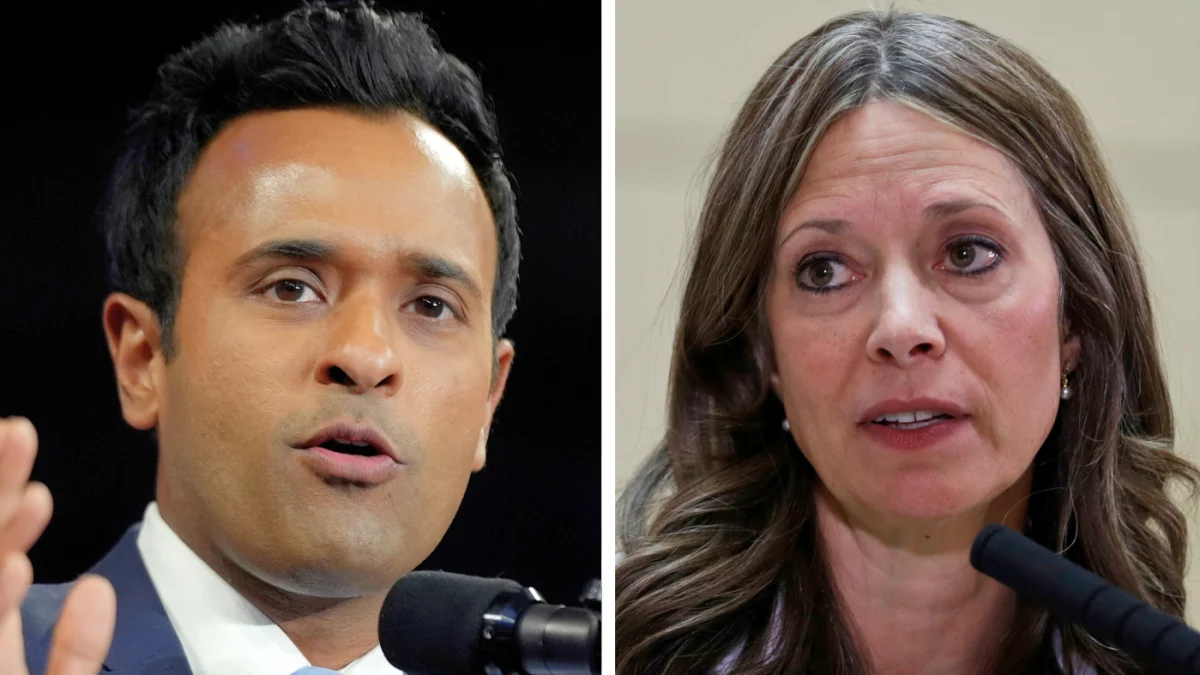
Table of Contents
Ohio’s Top 2026 Races Remain Tight Despite GOP Expectations
Provpnadvice.com – Ohio voters appear closely divided in the contests for governor and the U.S. Senate, with Democratic candidates holding small advantages in vote preferences while many respondents still expect Republicans to prevail in November.
A Bowling Green State University survey of likely Ohio voters found a three-point Democratic edge in each race. The findings underscore a familiar tension in competitive campaigns: voters may indicate support for one candidate while believing the political environment, party strength or late-campaign dynamics will favor the other side.
Acton Holds a Narrow Lead for Governor
In the governor’s race, Democratic nominee Amy Acton received support from 48 percent of likely voters, compared with 45 percent for Republican nominee Vivek Ramaswamy. The difference falls within the poll’s approximate four-point margin of error, meaning the contest remains highly competitive.
Even so, expectations about the outcome leaned decisively toward Ramaswamy. Sixty-two percent of respondents said they believed he would win the November election. That gap between stated preference and anticipated result suggests that many Ohioans see the Republican Party’s long-running statewide strength as an important factor, even as the current vote measure is close.
For Acton, the poll indicates an opportunity to remain competitive in a race where every undecided voter and turnout effort could matter. For Ramaswamy, the results point to a need to convert broad confidence in a Republican victory into actual support at the ballot box.
Senate Contest Shows a Similar Pattern
The Senate race produced nearly identical margins. Incumbent Republican Sen. Jon Husted trailed former Democratic Sen. Sherrod Brown by three points among likely voters. Yet 53 percent of those surveyed said they expected Husted to defeat Brown in the midterm election.
Brown is a familiar statewide political figure, having previously represented Ohio in the Senate. Husted, meanwhile, is the incumbent in the current contest. The narrow separation in voter support means that neither campaign can reasonably view the race as settled.
The BGSU results broadly resemble an AARP survey conducted in June, which also showed Republican candidates just behind their Democratic opponents. When multiple polls identify narrow margins rather than a clear leader, the most useful takeaway is not certainty about an eventual winner but evidence that Ohio’s high-profile races are likely to command sustained attention through Election Day.
Voter ID Amendment Draws Early Support
The survey also examined a proposed state constitutional amendment on the November ballot that would require voters to show government-issued identification when casting a ballot. The measure resembles President Trump’s Safeguard American Voter Eligibility, or SAVE, Act.
Support for the amendment stood at 64 percent, while 29 percent opposed it and 7 percent said they were unsure. At the same time, voter familiarity with the proposal appeared limited: 66 percent of respondents said they had heard only “some” about it or nothing at all.
That combination is significant for the campaign surrounding the amendment. A measure can begin with substantial public backing while still being poorly understood by much of the electorate. As November approaches, supporters and opponents will have room to shape how voters view its practical effect and constitutional significance.
Ballot questions can also influence participation beyond the candidates at the top of the ticket. Voters motivated by the identification requirement may pay closer attention to the election, while campaigns could use the issue to encourage supporters to turn out. The survey does not establish how the amendment will affect the governor’s or Senate race, but it confirms that the question is part of the broader political landscape Ohio voters will confront.
Trump’s Job Approval and the Midterm Climate
Likely voters were also asked about President Trump’s performance in office. Sixty percent said they disapproved, including 49 percent who expressed strong disapproval.
Robert Alexander, a political science professor at Bowling Green State University, said the findings point to growing concern among Ohio voters about Trump as well as the national and economic direction.
“Given that midterm elections are largely about the president’s approval, Democrats are poised to be competitive in a state Republicans have dominated electorally for two decades,” Alexander said in a statement.
Presidential approval can become a central organizing force in midterm elections because voters often use congressional and statewide races to register satisfaction or frustration with the administration. In Ohio, the poll suggests that Democrats may seek to connect their campaigns to voter unease over the president, while Republicans will work to keep attention on their candidates, policy arguments and confidence in GOP electoral strength.
Still, the survey’s mixed signals caution against treating approval numbers as a direct forecast. A voter can disapprove of a president and still favor a candidate from the president’s party, just as a voter can expect a Republican victory while presently preferring a Democrat. Candidate recognition, campaign organization, issue priorities and turnout all can affect the eventual result.
A Competitive Election Season Ahead
The Bowling Green State University poll interviewed 1,000 likely Ohio voters from Sept. 1 through Sept. 10. Its margin of error was approximately four percentage points.
With the leads in both statewide candidate contests smaller than that margin, the survey depicts Ohio as a genuinely close battleground rather than a state with a clear favorite. The vote preference numbers give Democrats a slight early advantage, while the expectations data demonstrate that Republican candidates retain considerable perceived strength.
For voters, the central message is straightforward: the outcome remains open. The governor’s race, the Senate contest, the voter ID amendment and public views of the president are all likely to shape an election season in which small shifts in support could have outsized consequences.
Related Reading
Frequently Asked Questions
What is Ohio governor Senate races nearly tied?
Ohio governor Senate races nearly tied is the main topic of this guide. The article explains the context, practical details, and next steps readers should understand.
Why does Ohio governor Senate races nearly tied matter?
Ohio governor Senate races nearly tied matters because readers are looking for a useful answer, not just a short summary. Good content should match search intent and help them decide what to do next.