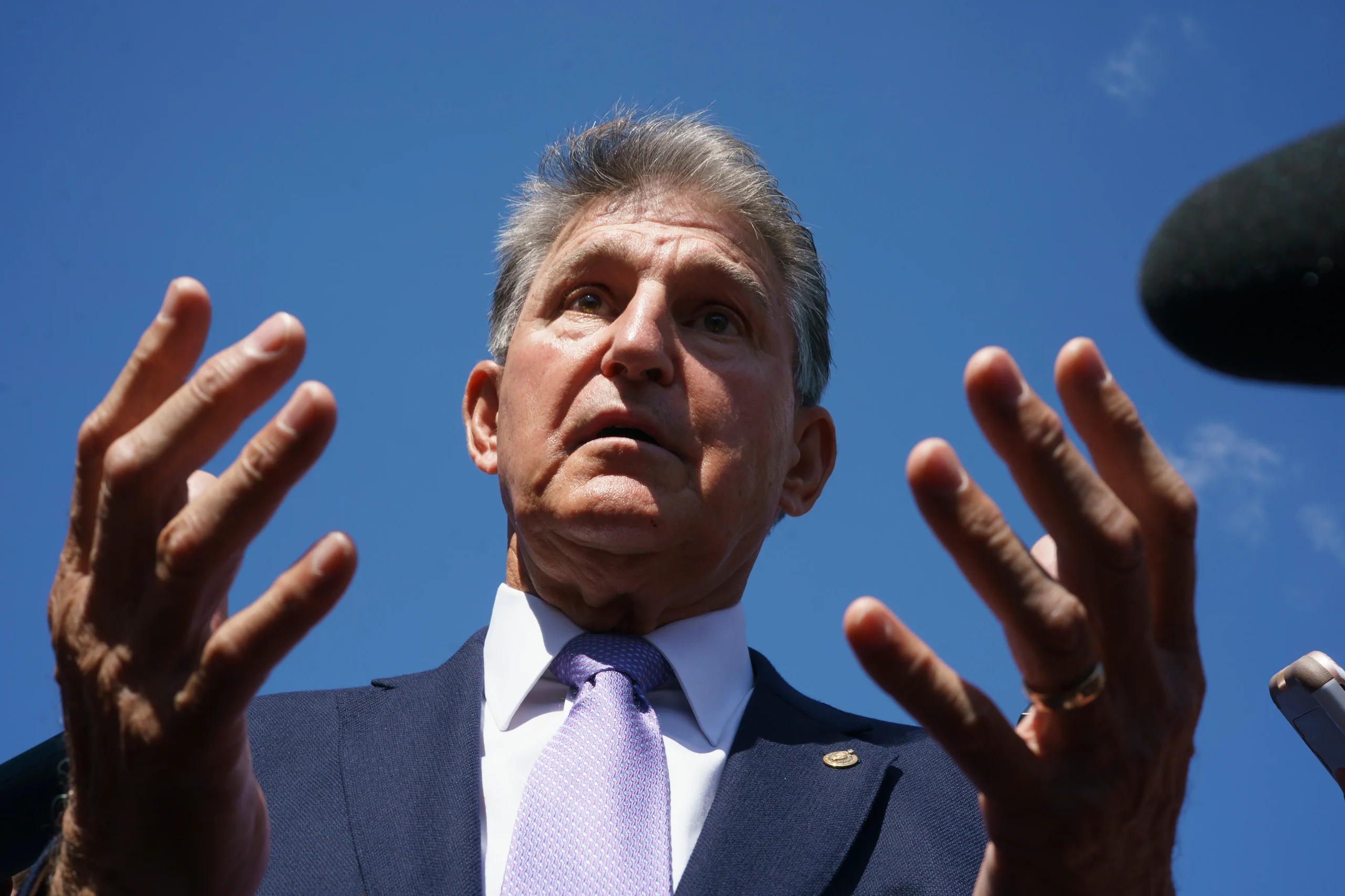
Sullivan, Peltola face off in fish-focused debate

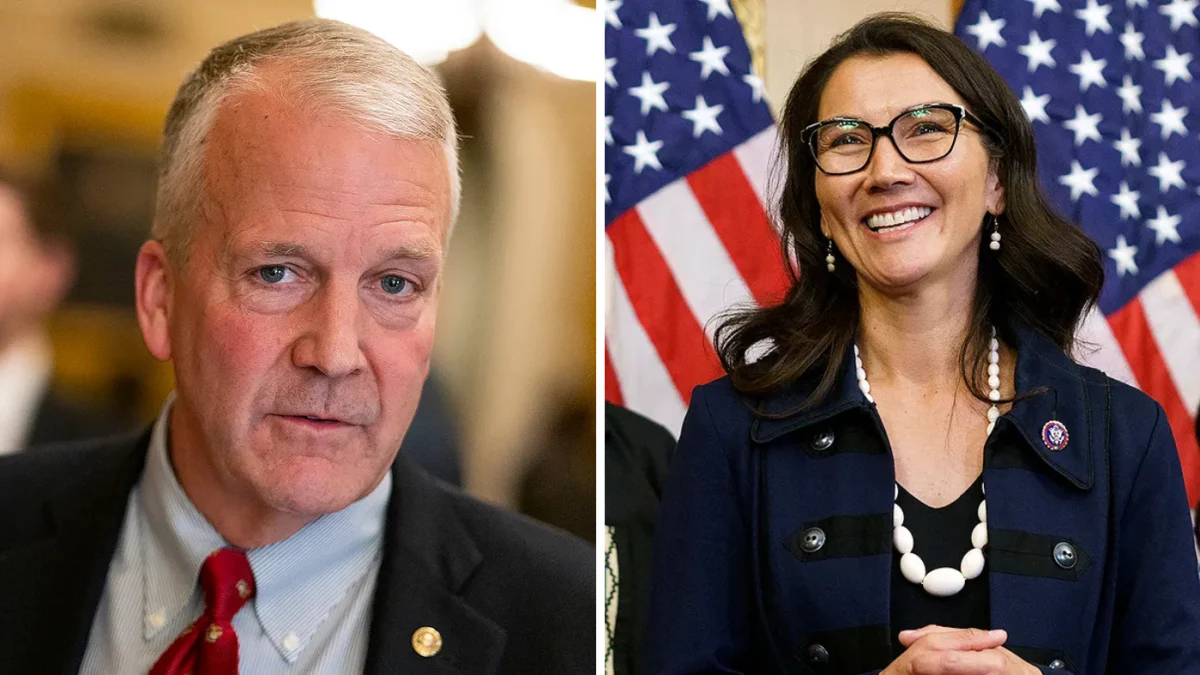
Table of Contents
Alaska Senate Candidates Put Fishing Industry at Center of Debate
Provpnadvice.com – Alaska’s seafood economy dominated the first direct debate between Sen. Dan Sullivan, the Republican incumbent, and former Rep. Mary Peltola, the Democratic challenger. The Saturday event focused entirely on fishing, underscoring how closely the industry is tied to jobs, coastal communities, exports and the wider state economy.
The candidates offered differing priorities for an industry confronting weaker profitability, high operating expenses and concern over foreign competition. Their exchange also provided a glimpse into the political dynamics of a Senate contest that outside election analysts now view as highly competitive.
A rapid-fire exchange draws attention
One of the most widely discussed moments came during a quick-response segment on the North Pacific Fishery Management Council and NOAA Fisheries. Candidates were asked whether those bodies were effective.
Peltola quickly lifted her paddle to indicate “no.” Sullivan paused briefly before responding, appearing to look toward Peltola’s paddle and then raising his own on the “no” side. Peltola’s campaign later highlighted the moment online.
“Happy to help, Dan,” Peltola wrote on social media after the debate.
The exchange was lighthearted, but it touched on a serious question for Alaska’s fishing communities: how federal regulators and regional management organizations affect harvest rules, access to fisheries and the future of marine resources.
Fuel costs and overseas seafood competition
Peltola centered part of her argument on the pressure that fuel costs place on fishermen. Boats depend heavily on gasoline and diesel, meaning price increases can quickly reduce earnings even when catches are strong.
“This is the number one cost for all fishermen, this war in Iran is driving up our gas and diesel prices,” Peltola said during the debate.
Her comments linked the local cost of fishing in Alaska to broader international developments. For vessel owners and crews, fuel is not simply a household expense; it is a core cost of reaching fishing grounds, operating equipment and getting a catch back to port.
Sullivan emphasized restrictions on seafood brought into the United States from overseas trawl fisheries, specifically naming Russia and China.
“With the ban on the bad actors, banning Russian and Chinese trawl caught fish coming into the United States,” Sullivan said.
His approach focused on the effect imported seafood can have on domestic producers. Alaska’s industry competes in international markets while also supplying customers across the United States, making trade policy and import rules particularly important to the state’s fishing sector.
An industry with major economic weight
The debate’s narrow focus reflected the central role seafood continues to play in Alaska. The state was the nation’s largest seafood-exporting state in 2025, sending more than $2.5 billion in domestic seafood exports abroad, the U.S. Trade Representative’s Office said.
That economic importance has made recent losses especially consequential. In 2022, the National Oceanic and Atmospheric Administration said Alaska’s fishing industry experienced a $1.8 billion loss, representing a decline in profitability of nearly 50 percent.
Those figures help explain why the candidates devoted their first head-to-head meeting to fisheries rather than a broad range of national issues. Decisions involving fuel, trade, fisheries oversight and market access can have direct consequences for people whose livelihoods depend on the sea, as well as businesses involved in processing, transportation and export activity.
For voters, the discussion also illustrated the practical stakes behind policy debates that can otherwise sound distant. A change in the cost of diesel, the availability of foreign seafood or the work of fisheries managers can affect whether Alaska operators can remain competitive in a market that reaches far beyond the state.
A closely watched race
Although Alaska generally favors Republicans, its political record includes victories by independents and moderate Democrats. Peltola won three elections for Alaska’s only House seat. Independent Bill Walker won the governorship in 2014, while Mark Begich remains the most recent Democrat to win an Alaska Senate contest after his 2008 victory.
Peltola’s decision to enter the Senate race reshaped expectations around the contest. The Cook Political Report moved the race into its toss-up category, identifying her candidacy as an important reason for the change. Decision Desk HQ also labels the race a toss-up and projects a narrow Democratic advantage.
Fundraising has added another layer to the race. During the year’s second quarter, Peltola brought in nearly $7 million, compared with $2 million for Sullivan. Sullivan, however, finished the period with more money available in his campaign account.
The fishing-focused debate made clear that Alaska’s Senate campaign will be argued not only through national partisan themes, but also through the issues that shape the state’s distinct economy. As Sullivan and Peltola continue their campaigns, both will be pressed to explain how their proposals would address the financial and regulatory challenges facing one of Alaska’s most important industries.
Related Reading
Frequently Asked Questions
What is Sullivan Peltola face off in fish?
Sullivan Peltola face off in fish is the main topic of this guide. The article explains the context, practical details, and next steps readers should understand.
Why does Sullivan Peltola face off in fish matter?
Sullivan Peltola face off in fish matters because readers are looking for a useful answer, not just a short summary. Good content should match search intent and help them decide what to do next.