White House axes border wall game after Tetris pushback

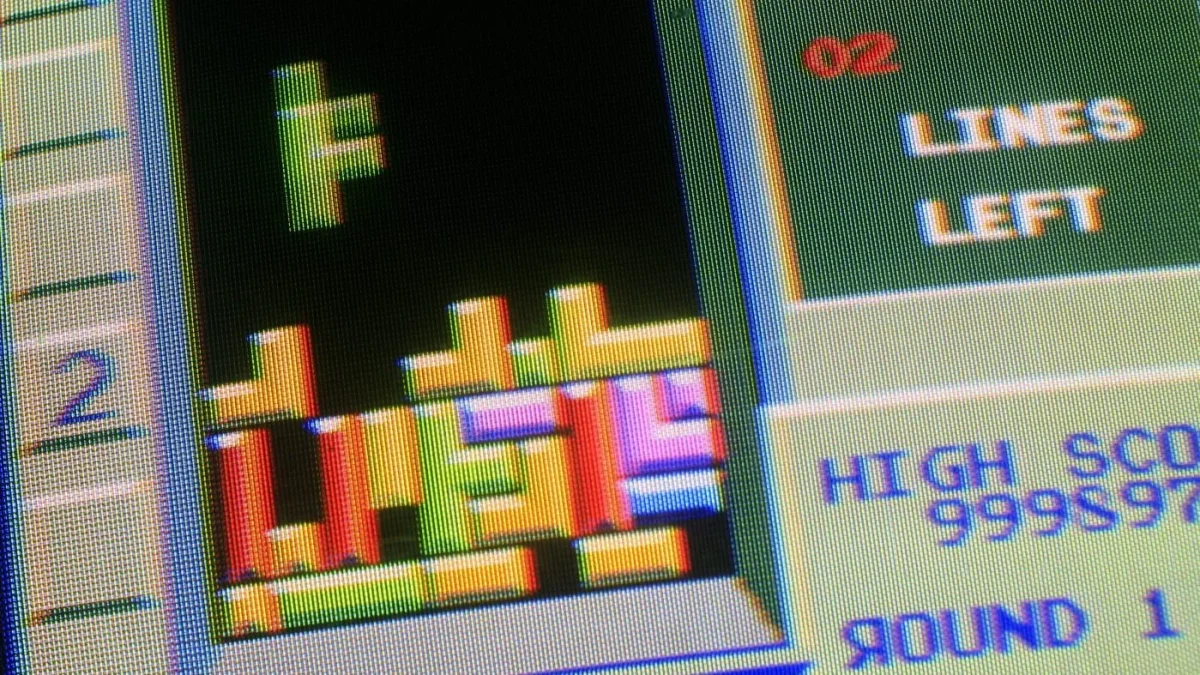
Table of Contents
White House Removes Border-Themed Arcade Game After Tetris Objections
Provpnadvice.com – The White House has taken down “Build the Wall,” a block-stacking game from its MAGA-themed online arcade, after The Tetris Company raised concerns that the game may infringe on its copyright and intellectual property.
The title had invited players to arrange falling blocks into a barrier along the southern border. Its objective was to stop zombies and alien-like figures from reaching the United States. The gameplay drew immediate attention because its visual approach and stacking mechanics appeared closely aligned with the well-known Tetris format.
“Build the Wall” remained accessible on the White House website Monday, but by Tuesday it had disappeared from the arcade. The rest of the game collection was still online as of Wednesday.
Tetris Company Says It Did Not Approve the Game
The Tetris Company publicly separated itself from the project last week, saying it had no role in creating the White House game. The company emphasized that it protects its intellectual-property rights.
The Tetris Company was not involved in the creation of “Build the Wall.”
In the same statement, the company said it treats copyright violations seriously. A spokesperson also said the White House had not been granted permission to use the Tetris name, brand, or related intellectual property. The company was reviewing the matter when asked whether it could pursue legal action.
The removal highlights the risks of adapting recognizable game concepts for political messaging. A game can borrow broad ideas common to an entire genre, but distinctive gameplay presentation, branding, audiovisual design, and other protected elements can create legal questions when a project resembles an established commercial product too closely.
Arcade Promotes Trump Policy Themes
The online arcade launched last week with five games tied to President Trump’s policies ahead of the November midterm elections. Each was designed as a simplified political version of a familiar style of video game.
“Build the Wall” was one of two titles focused on immigration and border enforcement. The other, “Rio Run,” follows the basic format associated with Snake. In that game, an agent carries out border patrol activity along the Rio Grande.
The arcade also includes “Flappy Bill,” which takes inspiration from the obstacle-dodging format popularized by Flappy Bird. Players guide a bald eagle carrying legislation through barriers set along the National Mall.
Two additional games focus on economic and health-policy themes. “Trump Savings Tycoon” asks players to gather money for Trump Accounts. “Supply Line,” linked to the administration’s Make America Healthy Again initiative, centers on sorting food.
Why the Removal Matters
The disappearance of “Build the Wall” did not remove the broader political project behind the arcade. The other four games continued to be displayed, leaving the White House with an interactive collection built around administration priorities and campaign-era messaging.
Still, the episode demonstrates how quickly a digital promotion can shift from a communications experiment into a copyright dispute. Familiar game formats can make a political message immediately understandable to visitors, especially when a title relies on rules players already recognize. That same familiarity can also lead audiences and rights holders to question whether a project has crossed beyond general inspiration.
The conflict also puts attention on the different layers of intellectual property involved in games. A title may avoid using another company’s logo while still raising concerns through its mechanics, appearance, block designs, interface, or marketing language. The Tetris Company’s response focused on its lack of involvement and on the absence of authorization for use of its brand or property.
For visitors to the White House arcade, the practical change is straightforward: “Build the Wall” is no longer available, while “Rio Run,” “Flappy Bill,” “Trump Savings Tycoon,” and “Supply Line” remain part of the site’s lineup. The removed game’s brief presence nonetheless became a notable example of how political digital content can encounter the same copyright scrutiny faced by entertainment products and commercial advertising.
Related Reading
Frequently Asked Questions
What is White House axes border wall game?
White House axes border wall game is the main topic of this guide. The article explains the context, practical details, and next steps readers should understand.
Why does White House axes border wall game matter?
White House axes border wall game matters because readers are looking for a useful answer, not just a short summary. Good content should match search intent and help them decide what to do next.