Iran attacks vessels, US base in Jordan after tankers sunk

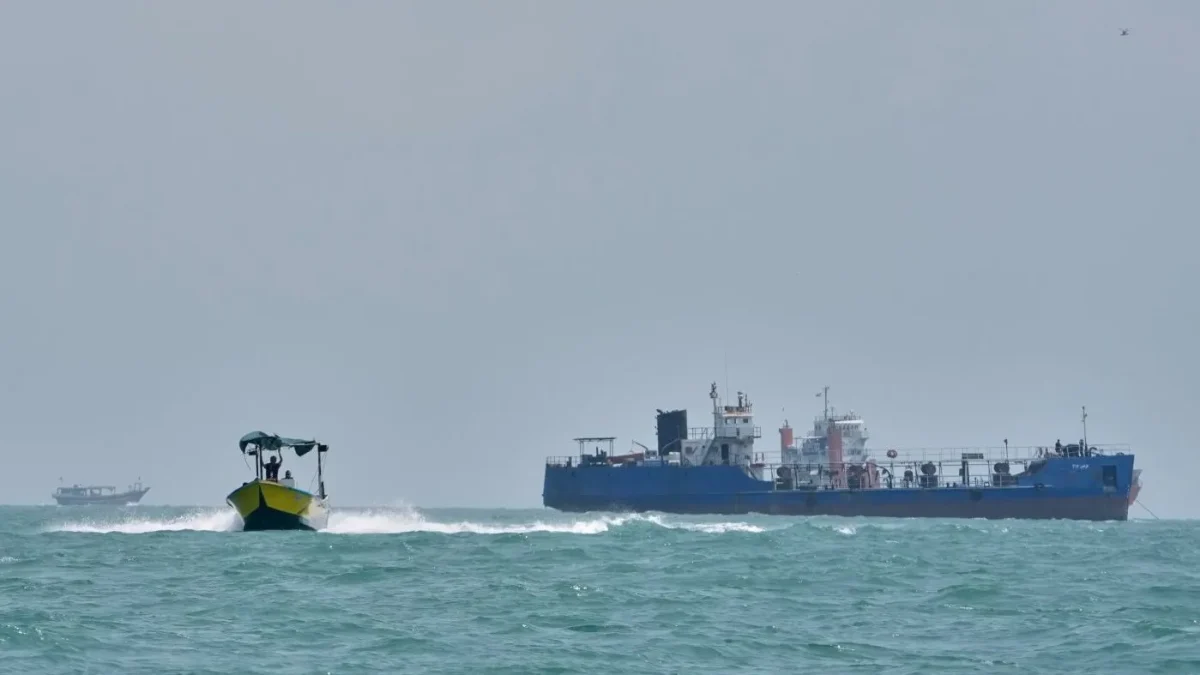
Table of Contents
Iran Targets Ships Near Strait of Hormuz as Conflict Escalates
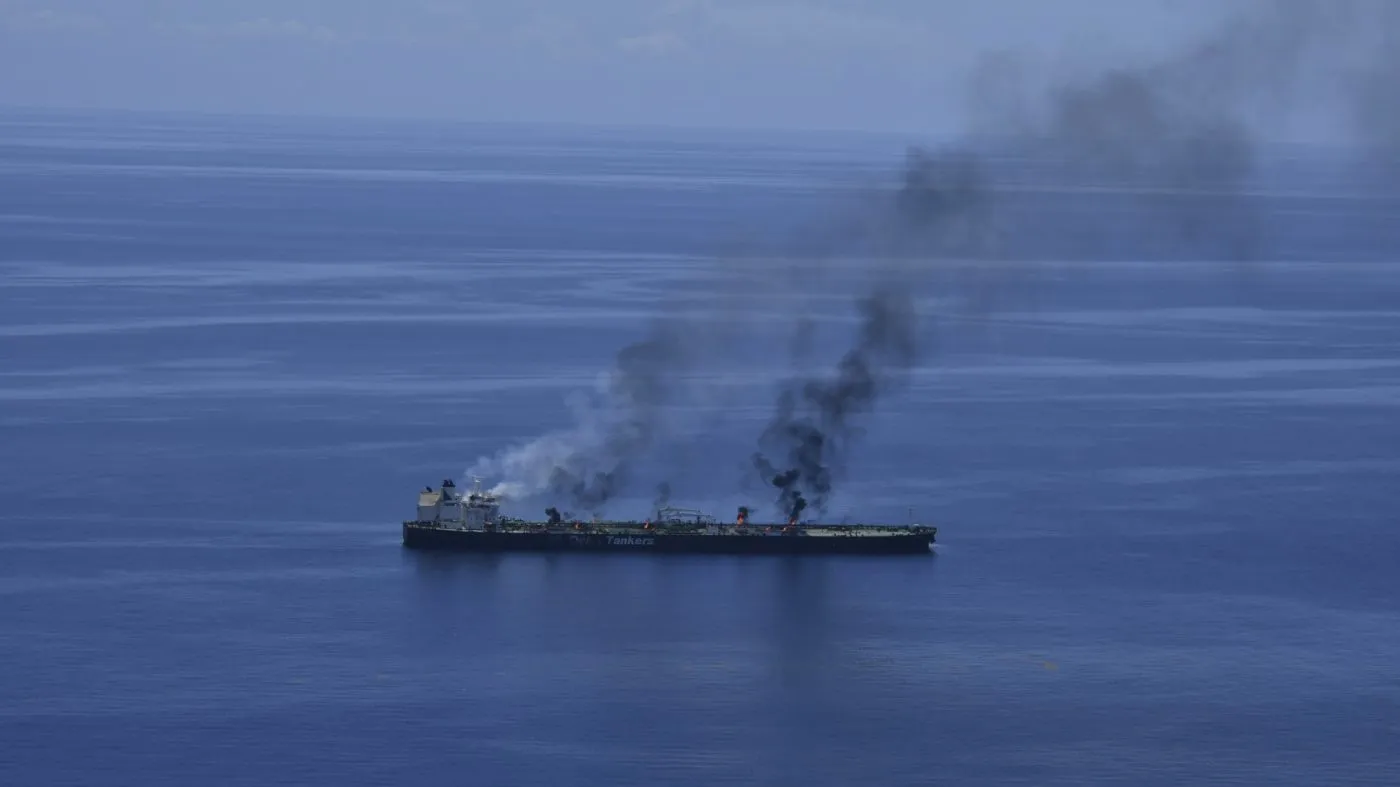
Provpnadvice.com – Iran said Wednesday that its forces attacked 10 vessels near the Strait of Hormuz, a strategic shipping passage whose disruption has become a central pressure point in the six-month conflict. Tehran said the group of ships included two U.S. vessels and eight oil tankers.
The reported strikes followed a U.S. military operation Tuesday that destroyed five Iranian oil tankers in the Gulf of Oman and near Kharg Island. The latest exchange adds to concerns about the security of commercial shipping and energy supplies moving through waters vital to global oil trade.
Iran Cites Restricted Maritime Zone
Iran’s Islamic Revolutionary Guard Corps said the ships were targeted while attempting to transit an area that Tehran had declared closed. The IRGC also said Iran fired ballistic missiles toward a U.S. base in eastern Jordan.
U.S. Central Command rejected Iran’s assertion that two American Navy destroyers had been successfully hit. It said the attempted attacks did not damage any U.S. warships operating in the region.
“Iran’s Islamic Revolutionary Guard Corps (IRGC) forces have claimed they struck two U.S. Navy destroyers operating in the Middle East. This is completely FALSE,”
“No U.S. Navy warship has been struck; all IRGC attempted attacks failed.”
Centcom said U.S. forces have destroyed 10 Iranian tankers during the past week, underscoring the growing scale of military action around the shipping route.
U.S. Says Earlier Missile Attempts Prompted Tanker Strikes
The Pentagon said Tuesday’s action against the five Iranian tankers came after Iran made two attempts over recent days to strike a Navy warship with ballistic missiles. Those tanker operations occurred in the Gulf of Oman and waters near Kharg Island, an Iranian island in the Persian Gulf associated with the country’s oil-export infrastructure.
The increasingly direct exchange reflects a widening cycle of retaliation. Iran has imposed restrictions around the Strait of Hormuz during the war, while the United States has made clear that attempts to attack American naval forces will bring further action against Iranian tankers.
Secretary of State Marco Rubio reiterated that position during a visit to Colombia, saying U.S. policy would remain tied to Iran’s actions against naval ships.
“Iran continues to try to hit U.S. naval ships, and for every time they do that or try to do that, they’re going to lose tankers,” Rubio told reporters.
Why the Strait of Hormuz Matters
The Strait of Hormuz is one of the world’s most consequential maritime chokepoints. It links the Persian Gulf with the Gulf of Oman and the wider Arabian Sea, providing a passage for large volumes of crude oil and other energy products. Any sustained interruption there can quickly affect international markets, shipping routes and fuel costs far beyond the Middle East.
That sensitivity has been apparent as traffic through the strait has faced restrictions and attacks. Oil prices have climbed since the disruption began, and the latest incidents pushed the International Brent crude benchmark above $100 per barrel for the first time since July.
Higher crude prices can influence the wider economy because oil is used not only for gasoline and diesel but also for transportation, manufacturing, heating and petrochemical products. The effects are not always immediate at the consumer level, but prolonged pressure on shipping lanes can raise costs for carriers, refiners and businesses dependent on reliable energy deliveries.
President Trump sought to downplay the surge earlier this week, arguing that oil prices would fall sharply once the war ends. The immediate market reaction, however, reflects the uncertainty surrounding whether tankers can travel through the region without facing further attacks or diversions.
Jordan Strike Expands the Geographic Reach
Iran’s launch of ballistic missiles toward a U.S. installation in eastern Jordan also highlights how the confrontation is reaching beyond the waters near Iran. Jordan sits west of Iraq and Saudi Arabia, making any strike involving U.S. forces there a significant expansion of the conflict’s geographic footprint.
No outcome from the missile launch was detailed in Iran’s statement. The episode nevertheless comes alongside the maritime confrontation, connecting attacks on vessels and tanker infrastructure with threats to U.S. military positions elsewhere in the region.
For shipping companies and oil markets, the most immediate issue remains the Strait of Hormuz. Each new clash raises the possibility that vessels will need to alter routes, delay voyages or confront higher insurance and security costs. For military planners, the concern is that repeated attempts against naval vessels may invite additional retaliation and deepen an already dangerous cycle.
Iran’s claim of successful strikes on U.S. ships and Centcom’s firm denial leave competing accounts of the operation. What is clear is that the destruction of Iranian tankers and Iran’s response near the strait represent another major escalation in a conflict that has already placed one of the world’s most important energy corridors under severe strain.
Related Reading
Frequently Asked Questions
What is Iran attacks vessels US base in Jordan?
Iran attacks vessels US base in Jordan is the main topic of this guide. The article explains the context, practical details, and next steps readers should understand.
Why does Iran attacks vessels US base in Jordan matter?
Iran attacks vessels US base in Jordan matters because readers are looking for a useful answer, not just a short summary. Good content should match search intent and help them decide what to do next.