See the best public universities for 2027, according to Niche

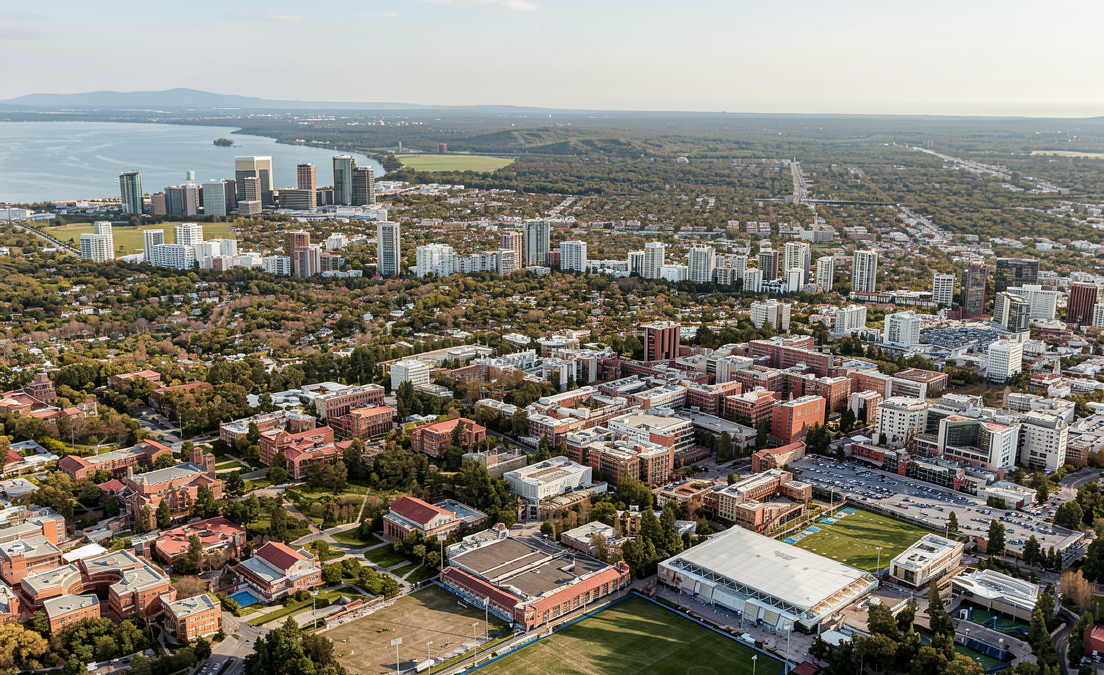
Table of Contents
Choosing a Public University in an Era of Mounting Debt: Niche’s 2027 Rankings Offer a Starting Point
Provpnadvice.com – Tuition has climbed steadily for decades, and the financial stakes of picking the wrong school have never been higher. Against that backdrop, education research platform Niche released its annual nationwide rankings on Tuesday, spotlighting what it considers the strongest public universities for students entering in fall 2027. The list is intended to give prospective applicants a structured way to compare institutions that, by design, serve as accessible on-ramps to higher education regardless of family income or geography.
Why Public Institutions Still Matter
Public universities occupy a distinct role in the American higher-education landscape. They were built, in many cases, to democratize access to rigorous academic training and research infrastructure that would otherwise be locked behind the high price tags of private colleges. For students from lower-income households, rural communities, or underrepresented zip codes, a state-funded degree can be the difference between completing a bachelor’s program and dropping out under financial pressure.
“Public universities are an engine for social mobility. They give students access to great academic programs and research opportunities, often at a more affordable cost than private institutions,” said Allison Shrivastava, economist at Niche. “Year after year, the top-ranked publics show just how much opportunity these institutions have to offer students from many backgrounds and ZIP codes.”
That framing matters because the conversation around college affordability has grown more urgent. Federal student loan balances continue to swell, and the policy environment surrounding repayment has shifted in ways that increase monthly obligations for millions of borrowers. A ranking that highlights institutions delivering strong academic outcomes at comparatively lower sticker prices is, in practical terms, a tool for risk management as much as for aspiration.
UCLA Holds the Top Spot
At the head of Niche’s 2027 list sits the University of California, Los Angeles. The sprawling campus in Westwood draws applicants from every state and dozens of countries. Key metrics Niche cites for UCLA include:
An acceptance rate hovering near 9 percent, placing it among the most selective public institutions in the country. An undergraduate enrollment of approximately 33,470 students. A graduation rate of 93 percent, well above the national average for four-year institutions. Among the most popular fields of study are economics, political science and government, and psychology.
Behind those numbers sits a research enterprise that punches far above its public-university weight, with faculty involved in cutting-edge work across the sciences, humanities, and social sciences. For a student weighing cost against caliber, UCLA represents the argument that a state-funded institution can deliver elite-level training without the private-college premium.
No Two Schools Are Interchangeable
Niche’s methodology does not reduce each entry to a single composite score. The platform factors in graduation outcomes, post-graduation earnings, student-satisfaction indicators, and institutional selectivity, among other variables. The result is a list that, while ordered, still leaves substantial room for individual fit.
“The schools at the top of this year’s Top Public Universities list are some of the biggest names in higher education, but they aren’t interchangeable,” Shrivastava said. “Each offers a different mix of academics, values, and campus experience. That’s exactly what our rankings are designed to surface so that students can build their college list with confidence.”
That distinction is critical for applicants. A student drawn to marine biology will find a very different institutional home than one focused on constitutional law, even if both schools occupy adjacent positions on a single list. Rankings narrow the field; they do not replace the personal research that follows.
The Debt Backdrop Makes the Choice More Consequential
The timing of the ranking release coincides with troubling trends in student-loan repayment data. Federal records show that the number of borrowers in default on their student loans surged by more than 4.2 million between April 2025 and March 2026. A large share of that spike traces back to 2024, when pandemic-era payment freezes expired and millions of borrowers faced their first full installments in years.
Beyond outright default, hundreds of thousands of additional borrowers are months behind on payments, and analysts warn that another wave of delinquency could follow. Compounding the pressure, the Department of Education has moved to dismantle the SAVE income-driven repayment plan—one of the most affordable monthly-payment options available—citing a broader effort to simplify what it describes as a fragmented repayment architecture. For millions of borrowers, that transition means higher required payments and thinner margins for error.
In that climate, the decision to attend a public university with a strong graduation rate, robust career services, and a comparatively lower tuition bill is not merely a preference. It is a financial strategy. Niche’s rankings, for all their limitations as a single data point, give students and families a structured starting place for conversations that, until recently, were conducted almost entirely through word of mouth and institutional marketing.
What Comes Next for Applicants
The full top-25 list published by Niche spans institutions across every region of the country, from coastal research powerhouses to land-grant universities embedded in smaller communities. Prospective students are encouraged to treat the ranking as one input among many: visit campuses if possible, speak with current students in their intended major, examine financial-aid packages line by line, and weigh the cost-of-living differences that can make a nominally cheaper tuition far more expensive in practice.
The 2027 entering class will be making decisions in a macroeconomic environment where interest rates, wage growth, and federal repayment policy all intersect. A well-informed choice, anchored to verified institutional data rather than brand recognition alone, remains the single most effective hedge against the kind of debt spiral now unfolding across the borrower population.
Related Reading
Frequently Asked Questions
What is See the best public universities for 2027?
See the best public universities for 2027 is the main topic of this guide. The article explains the context, practical details, and next steps readers should understand.
Why does See the best public universities for 2027 matter?
See the best public universities for 2027 matters because readers are looking for a useful answer, not just a short summary. Good content should match search intent and help them decide what to do next.