Trump’s signs order allowing ranchers to kill wolves to protect herds

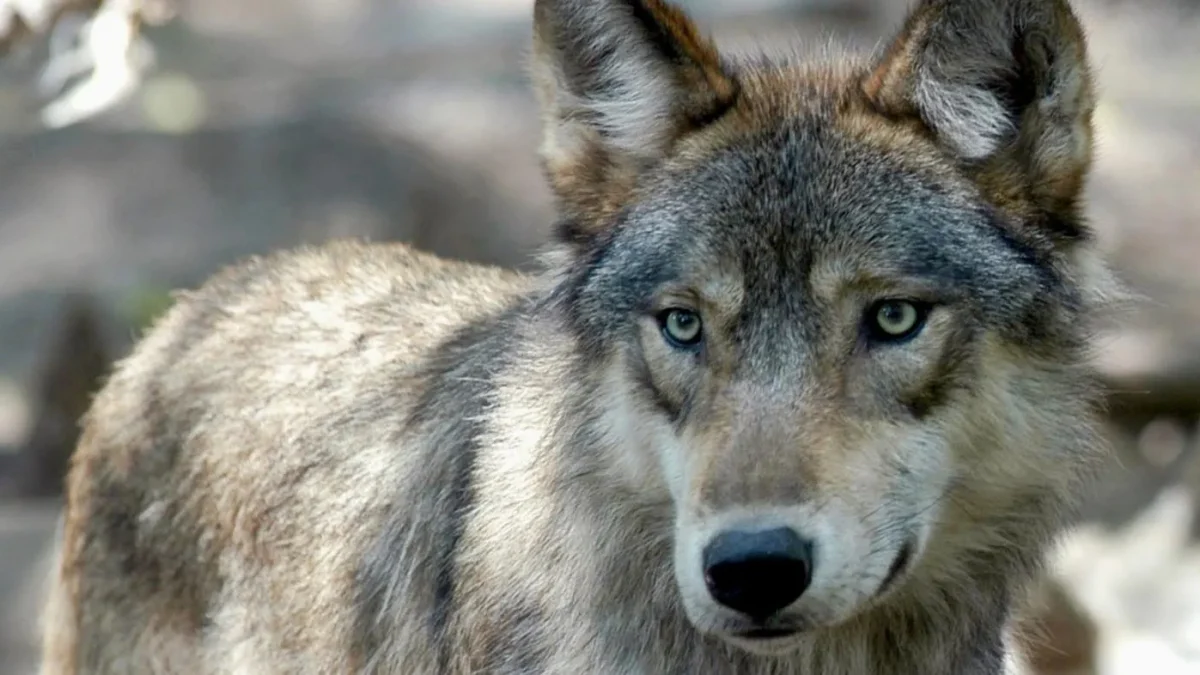
Table of Contents
Executive Order Targets Wolf Protections Amid Beef Price Pressure
Provpnadvice.com – White House action taken Friday places the gray wolf at the center of a widening policy fight over livestock losses, meat prices, and the scope of federal wildlife regulation. President Trump signed an executive order instructing the Department of the Interior to evaluate whether the species should be stripped of its endangered-species status, framing the move as part of a broader effort to curb depredation on cattle herds and ease the cost of beef at the grocery store.
The order goes further than a simple review. It directs both the Interior and Agriculture departments to grant ranchers permission to kill wolves when necessary to shield their animals from predation — a practical shift that would remove the current legal barrier preventing landowners from shooting wolves that enter grazing land.
The Rancher’s Case
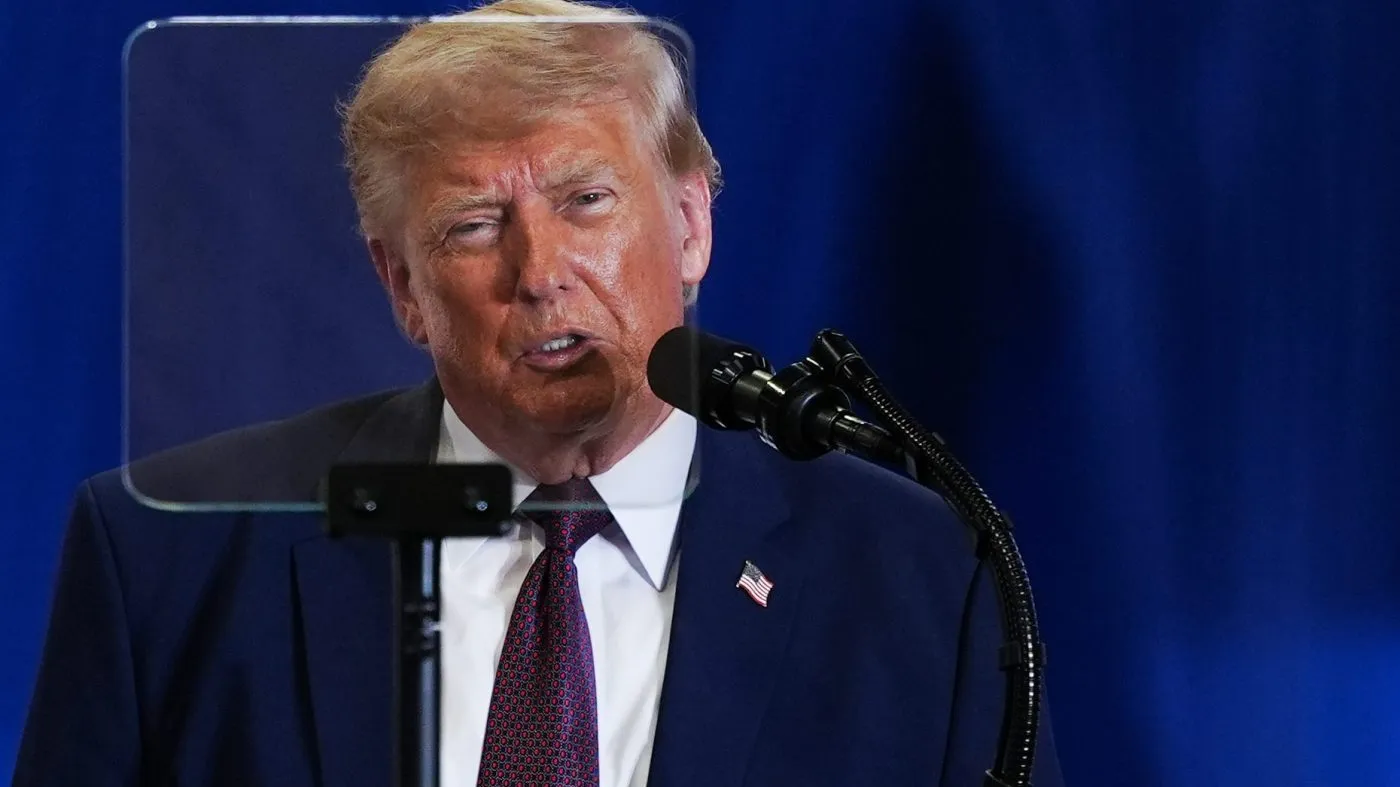
Speaking at the Oval Office signing ceremony, with Agriculture Secretary Brooke Rollins and several ranchers standing beside him, Trump characterized the wolf problem in blunt, physical terms.
“They’re destroying these businesses. You watch them go right through your herd, and they’re violent. It’s a violent situation,” Trump said.
Rollins reinforced the point from the rancher’s perspective, noting the frustration of watching predators tear through cattle while legal protections make intervention impossible.
“The problem is, because they’re on the endangered species list, they can’t shoot them,” Rollins said. “They have to sit and watch them destroy their herd.”
For producers in states where wolf populations have rebounded over the past two decades, the inability to respond immediately to a predation event represents both an economic loss and a psychological strain. Cattle operations in the northern and western states have documented thousands of livestock deaths attributed to wolves in recent years, and many ranchers argue that the current regulatory framework forces them to absorb costs that, under other circumstances, would be mitigated by on-the-spot intervention.
A Decade-Long Regulatory Tug-of-War
The gray wolf’s status under the Endangered Species Act has been contested for decades. The U.S. Fish and Wildlife Service first placed the species on the endangered list in 1967, a designation driven by intensive hunting and habitat loss across its former range. Recovery programs, including reintroduction efforts in the Pacific Northwest and Upper Midwest, gradually rebuilt populations through the 1990s and 2000s.
In 2020, during Trump’s first term, the Fish and Wildlife Service issued a final rule removing the gray wolf from the endangered species list across the lower 48 states. That decision was subsequently overturned by a federal judge after conservation groups filed suit to restore the protections. The legal reversal kept wolves under full federal safeguards while the question of state-level management authority remained unresolved.
Legislative action has now entered the picture. Last December, House Republicans passed a bill designed to reinstate the 2020 final rule and once again take the gray wolf off the federal endangered list. That measure remains pending in the Senate, meaning the executive order signed Friday operates in parallel with — and potentially ahead of — congressional action on the same question.
State Management Advocacy
Rep. Tom Tiffany (R-Wisconsin), who spearheaded the House bill last year, endorsed the presidential action in a social media post on Friday. He framed the issue around population recovery and the practical burden on rural communities.
“The gray wolf has recovered,” he wrote. “Farmers are dealing with livestock depredations, families are losing pets, and wolves are showing up closer to homes.”
“Wisconsin knows how to successfully manage its wildlife,” Tiffany continued. “It’s time to let states responsibly manage their wolf populations.”
Tiffany’s remarks echo a long-standing argument among state wildlife agencies: that once a species has recovered to viable numbers, day-to-day management decisions — including harvest quotas, conflict-resolution protocols, and habitat planning — are better handled at the state level, where local ecological knowledge and political accountability are closer to the ground.
Conservation Pushback
Not all voices welcomed the order. Sara Amundson, president of the Humane World Action Fund, an organization that has campaigned against wolf delisting for years, issued a statement describing the move as a precursor to widespread killing.
“Gray wolves should not have to take the fall for an administration whose reckless tariff policies have made life unnecessarily hard for American ranchers,” Amundson said, adding that the directive will result in “untold death and cruelty for these animals.”
Her comment links the wolf question to the administration’s trade posture, suggesting that ranchers’ economic pressures stem in part from tariff-driven cost increases rather than from predation alone. Whether that framing holds up to scrutiny depends on the relative magnitude of tariff effects versus livestock-loss costs in any given operation, but it underscores how the wolf debate has become entangled with broader questions about agricultural economics and trade policy.
The Tariff Dimension
The executive order arrives against the backdrop of a separate, already-controversial decision by the Trump administration to peel back higher tariffs on imported beef products. The stated aim is to lower shelf prices for American consumers. On Friday, the president confirmed that the tariff relief would extend to beef shipments from countries including Argentina and Brazil — a step that has drawn criticism from domestic cattle producers and from some members of his own party in Congress, who worry about undercutting U.S. ranchers with cheaper foreign supply.
“We’re doing it in a very limited fashion because our ranchers can handle it,” Trump said on Friday. “But our ranchers really needed a little bit of help, and our ranchers want the prices to be down too.”
Taken together, the tariff adjustment and the wolf-protection review form a two-pronged approach to beef affordability: one prong lowers the cost of imported meat, while the other seeks to reduce the cost of producing domestic meat by easing predation losses. Critics on both sides of the aisle question whether either measure will meaningfully move grocery prices, and whether the ecological and economic trade-offs are being weighed with sufficient rigor before protections are dismantled.
For now, the Interior Department faces the task of conducting the assessment the order mandates, while the Senate continues to deliberate on the companion legislation. The outcome will shape how wolves are managed across much of the continental United States for years to come — and will test whether the administration can reconcile its stated goals of consumer price relief, rancher support, and species stewardship without deepening the fractures among the groups it claims to represent.
Related Reading
Frequently Asked Questions
What is Trump s signs order allowing ranchers?
Trump s signs order allowing ranchers is the main topic of this guide. The article explains the context, practical details, and next steps readers should understand.
Why does Trump s signs order allowing ranchers matter?
Trump s signs order allowing ranchers matters because readers are looking for a useful answer, not just a short summary. Good content should match search intent and help them decide what to do next.