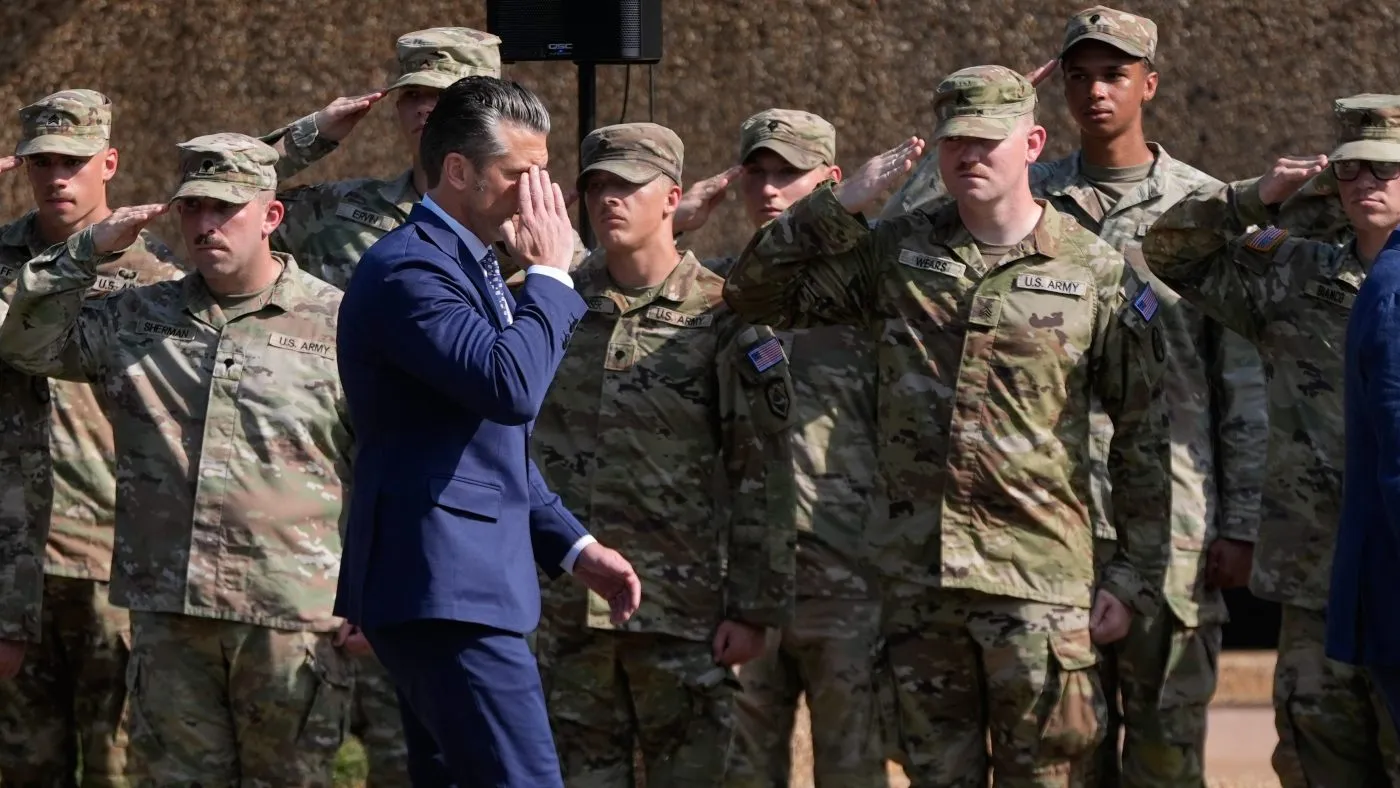
Former Air Force secretary: Hegseth’s Pentagon ‘dysfunctional’

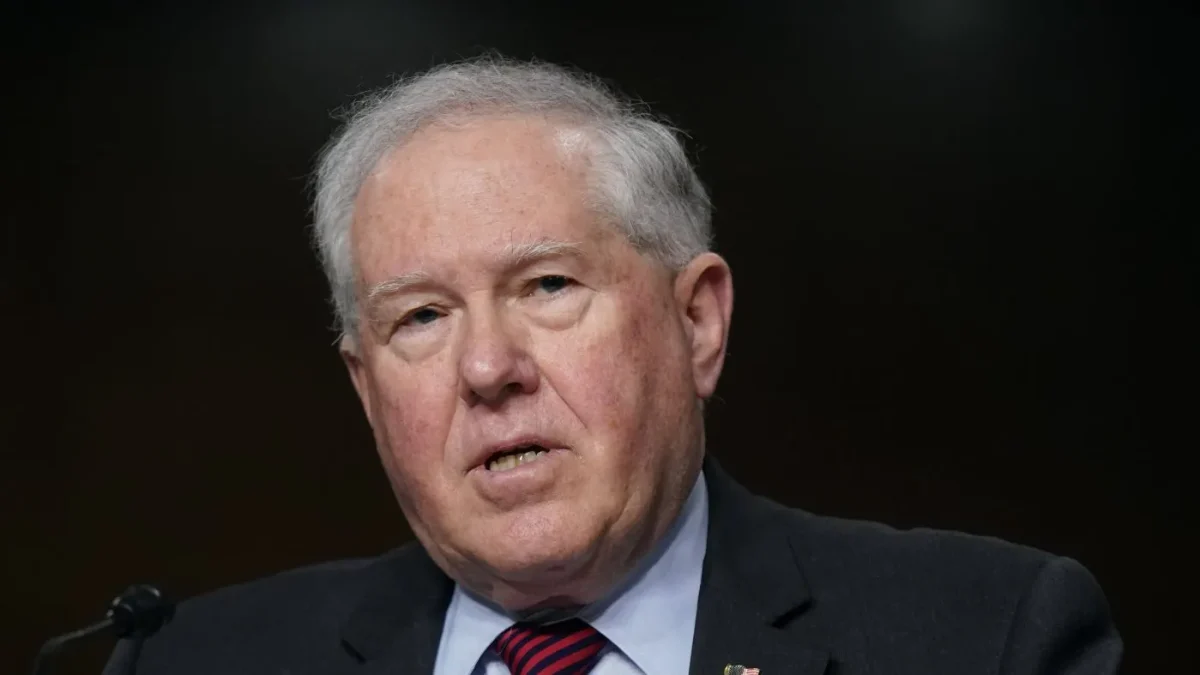
Table of Contents
Former Air Force Chief Slams Hegseth Pentagon as “Dysfunctional,” Warns of Years-Long Damage
Provpnadvice.com – The Pentagon’s leadership has drawn its sharpest public criticism yet from within the ranks of former defense officials. Frank Kendall III, who served as Secretary of the Air Force during the Obama and Biden administrations, told CNN’s Kaitlan Collins on Wednesday that the Department of Defense under Secretary Pete Hegseth is, in his words, operating in a state of dysfunction — and that the harm being done is deliberate rather than incidental.
“In a word, we’re dysfunctional. I’ve worked with and had a chance to work for maybe a dozen secretaries of Defense. He’s doing active harm to the Department of Defense. It’s not passive. It’s active harm.”
Kendall’s remarks land with particular weight given his tenure across two administrations and his familiarity with the department’s institutional culture. He framed the current situation not as a policy disagreement but as structural damage, warning that the “enormous damage” already inflicted would require “several years or decades to repair this and restore the type of system that we have had traditionally.” For a department that fields roughly 1.3 million active-duty personnel and manages a budget exceeding $800 billion annually, the implication of a multi-decade recovery timeline is staggering.
Intellectual Capital Over Physical Posturing
Going beyond institutional governance, Kendall took aim at what he characterized as a cultural tilt toward physicality over intellect within the department’s leadership philosophy. In an era where strategic competition increasingly hinges on technology, analytics, and cognitive warfare, he argued that the secretary’s emphasis on physical attributes misallocates institutional attention.
“Right now, in our competition, brain power is just as important as how big somebody’s biceps are. We need people with intellectual capital just as much as we need people who are physically capable. He’s overemphasizing this kind of, you know, ‘bro thing’ with the testosterone thing you mentioned, as well as many other things.”
Kendall then pivoted to the most consequential question facing the department: strategic overreach. Pointing to the ongoing conflict with Iran, he labeled it an “absolute disaster” and argued that a secretary’s primary anxiety should be avoiding entanglements with no clear exit strategy.
“That’s not what the secretary of Defense should be worrying about. What he should be worried about is not getting us into a conflict that we have no obvious way out of.”
Pentagon Pushes Back: “This Is What Reform Looks Like”
The department did not leave the criticism unanswered. Pentagon spokesperson Sean Parnell issued a statement calling the characterization of internal disarray “completely baseless and an insult to every dedicated professional and warfighter in this building who comes to work every day to defend this nation.”
“This is what reform looks like. Leading an enterprise of this scale requires bold leadership, accountability and placing the right personnel in the right places. The department operates on a disciplined ‘next man up’ mentality and is firing on all cylinders under Secretary Hegseth’s leadership.”
The exchange underscores a growing public divide between outgoing officials who view the department’s institutional norms as under siege and the current administration, which frames sweeping personnel changes and doctrinal shifts as long-overdue modernization.
Driscoll’s Departure and the Promotion Controversy
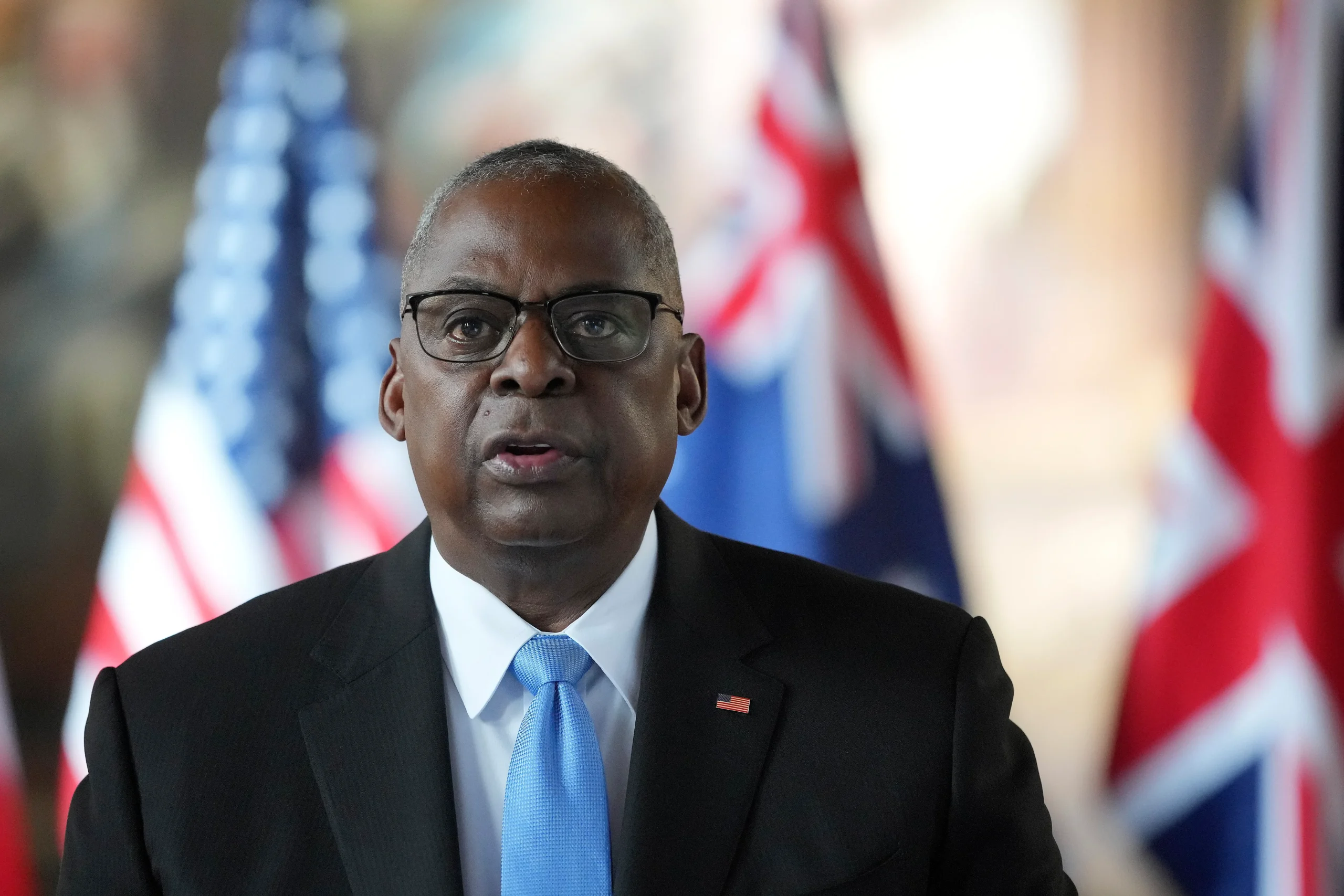
Hegseth has now occupied the secretary’s seat for nearly 20 months, and his tenure has been marked by a steady churn of senior civilian and military leaders. The most recent high-profile departure came with the resignation of Army Secretary Dan Driscoll. Tensions between the two men had been visible since they assumed their respective posts last year, yet Driscoll chose to break his silence with a public post praising Hegseth’s backing of service members.
“I had the privilege of working with them to modernize and accelerate how the Army mans, trains, and equips the most lethal fighting force on the face of the earth. We could not have made the progress we did without the support of Secretary Hegseth.”
Behind the cordial language, however, lay a specific grievance. Driscoll had objected to Hegseth’s decision earlier this year to strip four Army officers — two women and two Black men — from a one-star general promotion list. The secretary subsequently removed the names of at least six additional Army officers from a two-star general promotion roster. Hegseth and his allies maintain that the department evaluates promotions without regard to gender or race, yet the pattern of removals across the Navy and Air Force has prompted other former military leaders to describe the actions as corrosive to branch cohesion and morale.
Republican Lawmakers Join the Critique
The criticism is no longer confined to former Democrats or career bureaucrats. Senator Thom Tillis, a North Carolina Republican and former member of the Senate Armed Services Committee, publicly accused Hegseth of “inept management” of the Pentagon and urged President Trump to dismiss him from the post. For a sitting member of the president’s own party to call for the secretary’s removal — citing both the personnel turnover and what Tillis characterized as a lack of progress in the Iran campaign — signals that the administration’s internal consensus on the department’s direction is fracturing.
The cumulative picture that emerges from Kendall’s interview, Driscoll’s resignation, the promotion-list disputes, and Tillis’s public plea is one of a defense establishment under sustained institutional stress. Whether that stress reflects necessary reform or genuine dysfunction remains the central question now being debated not only in Washington but across the ranks of every service branch.
Related Reading
Frequently Asked Questions
What is Former Air Force secretary?
Former Air Force secretary is the main topic of this guide. The article explains the context, practical details, and next steps readers should understand.
Why does Former Air Force secretary matter?
Former Air Force secretary matters because readers are looking for a useful answer, not just a short summary. Good content should match search intent and help them decide what to do next.