Caine tells Slotkin there are no plans to send military to polls in November

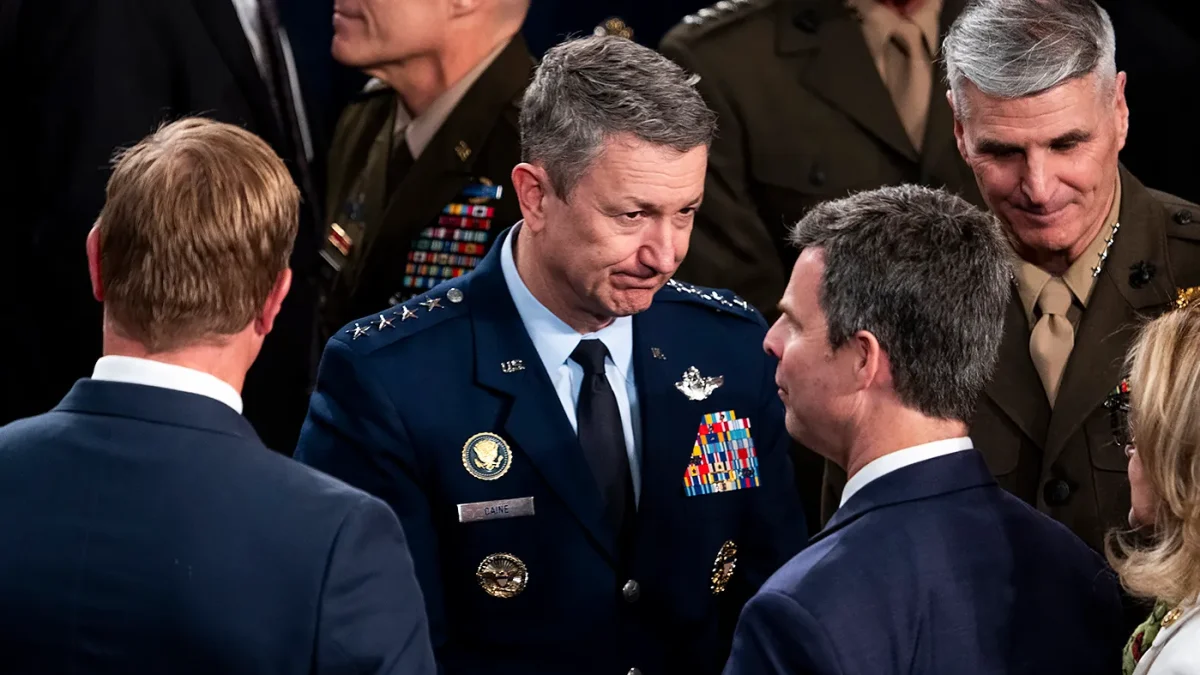
Table of Contents
Top Military Commander Rules Out Troop Deployment at November Ballot Boxes
Provpnadvice.com – The question of whether American soldiers might stand guard over voting booths during the November 2026 midterm elections has been answered, at least for now, by the nation’s highest-ranking uniformed officer. General Dan Caine, who chairs the Joint Chiefs of Staff, wrote to Senator Elissa Slotkin of Michigan to confirm that the Pentagon has no intention of placing federal troops or federalized National Guard members at polling locations come election day.
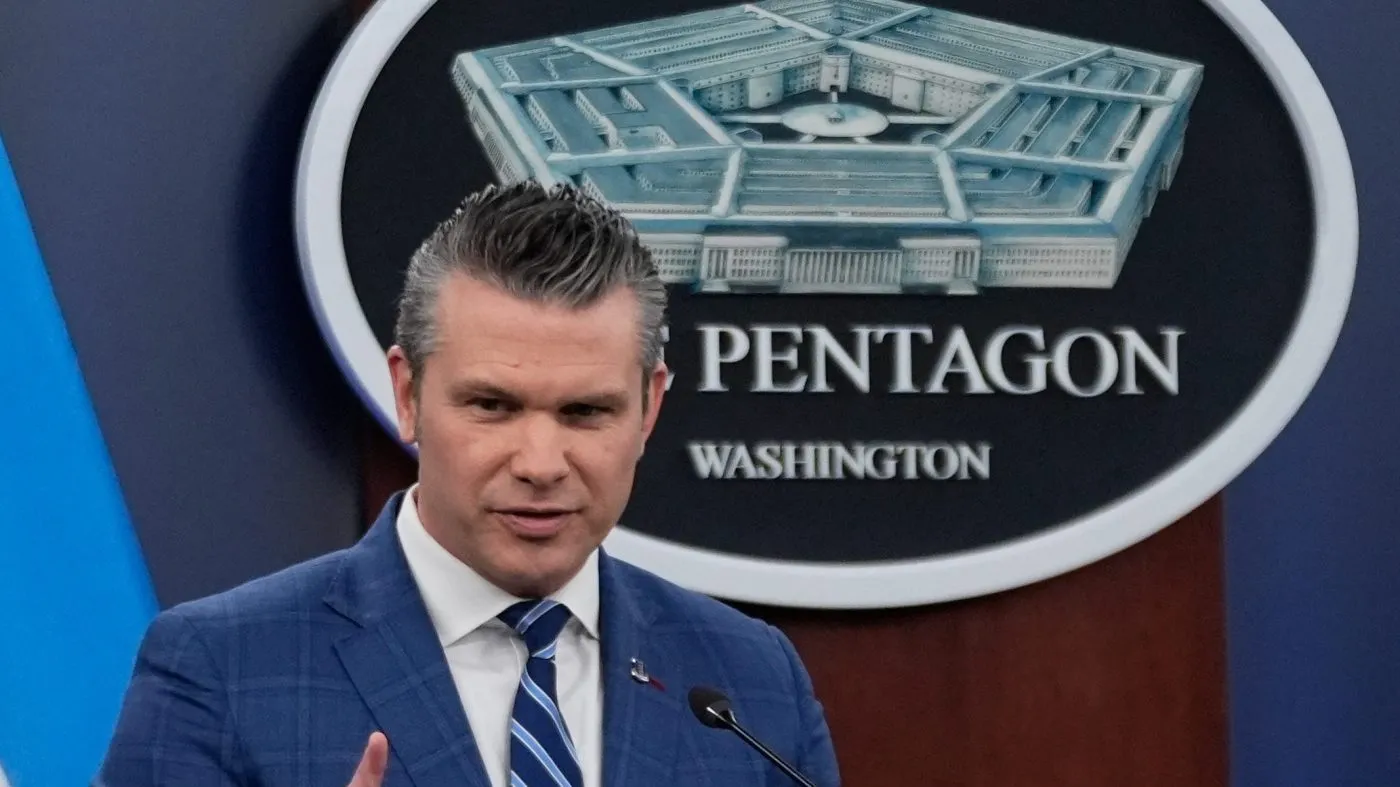
The letter, delivered to the Michigan Democrat earlier this month, closes a chapter of speculation that had been building since President Donald Trump made remarks suggesting the federal government might take a more assertive role in administering the midterms. Slotkin, who serves on both the Senate Armed Services Committee and the Homeland Security and Governmental Affairs Committee, had pressed the issue directly by sending parallel letters to Caine and to Secretary of Defense Pete Hegseth, asking both men to put on record that no such deployment was planned.
The Commander’s Written Assurance
In his response, Caine was categorical. He stated plainly that election administration and the physical security of voting sites remain the core duty of state and local officials. The Joint Force, he wrote, will not dispatch federal military personnel or federalized National Guard members to polling places during the 2026 elections.
“Election administration and security remain the fundamental responsibility of state and local officials. The Joint Force has no plans to send Federal military personnel or Federalized members of the National Guard to polling places during the 2026 elections.”
The general went further, addressing a scenario that had circulated in political commentary: the possibility that troops might be tasked with confiscating ballots, voting machines, or other election-related materials. He ruled that out as well.
“Likewise, the Joint Force has no plans to use such personnel to seize ballots, voting machines, or other election related material.”
Caine also addressed the question of whether any directive had been issued from above that would alter the military’s traditional posture of staying out of election administration. He told Slotkin that he had “neither received nor anticipate receiving any unlawful order concerning the role of the Joint Force in the upcoming November 2026 midterm elections.” The phrasing — specifically the word “unlawful” — drew attention from observers who noted that it implicitly acknowledged the possibility that such an order could exist, even if none had arrived.
“I stand ready to discuss this matter further with you or with other Senators,”
he concluded, leaving the door open for continued congressional dialogue on the subject.
What Prompted the Inquiry
Slotkin’s letters were not written in a vacuum. Earlier in the month, President Trump engaged in a public exchange with conservative commentator Wayne Allyn Root, who floated the idea that the president could declare a national security emergency and thereby federalize the administration of the midterms. Trump did not dismiss the notion outright.
“Let me just say that stranger things have happened, OK? I’ll leave it at that,”
he told Root, a remark that quickly made its way into congressional briefing rooms and prompted Slotkin to seek written confirmation from the top of the Pentagon chain of command.
Historical and Legal Context
The question of military involvement in American elections is not new, though it has rarely been framed in the terms now circulating. The Constitution assigns election administration to the states, and the federal government’s role has traditionally been limited to protecting the rights of voters under the Voting Rights Act and overseeing congressional elections. The Insurrection Act of 1807 permits the president to call state National Guard units into federal service, but doing so for the purpose of staffing or securing polling places would represent an unprecedented expansion of that authority.
In prior cycles, the Department of Defense has occasionally provided logistical support — such as transportation for ballot boxes or temporary housing for poll workers in disaster-affected areas — but has not placed uniformed personnel at the ballot box itself. The distinction between logistical support and operational presence at polling locations is precisely the line Caine’s letter draws.
For Slotkin, the written confirmation carries practical weight beyond symbolism. A letter from the Joint Chiefs Chair, filed in the congressional record, creates a documented baseline against which any future deviation could be measured. It also gives state election officials and local poll workers a clear signal from the top of the military hierarchy that their traditional role in running elections will not be displaced by federal troops.
What Remains Open
The letter addresses the Joint Force’s plans as of the date it was written. It does not foreclose every conceivable scenario. A declared national emergency, a major natural disaster on election day, or a formal change in statutory authority could alter the calculus. Slotkin’s offer to continue the conversation — echoed by Caine’s own invitation to discuss the matter further — suggests both parties view the issue as one that may require ongoing attention through the fall.
For now, however, the answer from the Pentagon’s top uniformed officer is unambiguous: no troops at the polls, no seizure of ballots, no federalization of the November 2026 vote. The administration of those elections, as in every cycle before, will remain in the hands of state secretaries of state, county clerks, and local election boards.
Related Reading
Frequently Asked Questions
What is Caine tells Slotkin there are no plans?
Caine tells Slotkin there are no plans is the main topic of this guide. The article explains the context, practical details, and next steps readers should understand.
Why does Caine tells Slotkin there are no plans matter?
Caine tells Slotkin there are no plans matters because readers are looking for a useful answer, not just a short summary. Good content should match search intent and help them decide what to do next.