Bill Gates: AI will either be ‘greatest equalizer’ or ‘worst source of injustice’

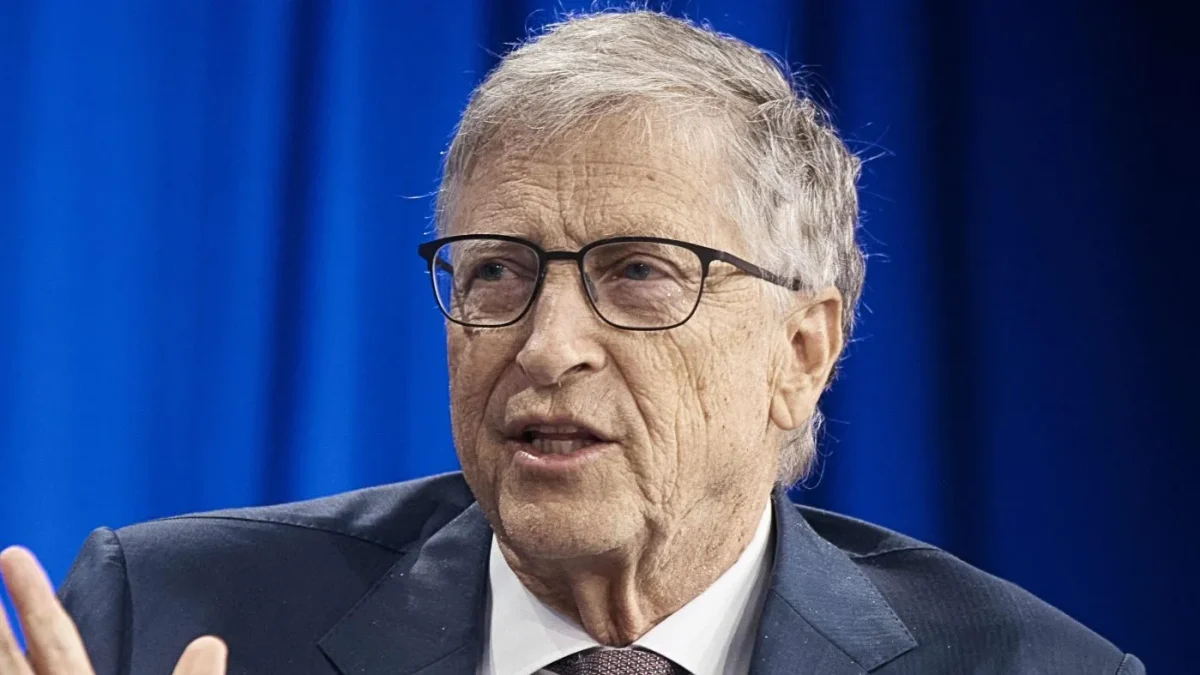
Table of Contents
Bill Gates: AI Will Be Equalizer or Injustice
Provpnadvice.com – Microsoft co-founder Bill Gates has published a pointed essay on his personal platform, Gates Notes, arguing that artificial intelligence will land at one of two extremes: the single most powerful equalizing force ever built, or the deepest wellspring of systemic injustice in modern history. There is no middle scenario in his account. The piece arrives as governments across the Atlantic rush to draft regulatory frameworks and as public opinion on machine intelligence has swung sharply negative within the past eighteen months.
A Binary With No Soft Landing
The essay rejects any notion that AI will simply slot into existing economic structures without reshaping them. Gates insists that even in the most favorable conditions, the transition period will rank among the most turbulent stretches of human economic history, and that no government, university, or industry body currently holds a coherent plan for managing that entry. He compresses the stakes into two phrases: AI becomes the “greatest equalizer ever invented,” or it becomes the “worst source of injustice.”
“Even under the best circumstances, the transition to this new AI era will be one of the most turbulent times in human history. There is no plan to ease the entry into the AI era.”
The compressed timeline distinguishes this disruption from earlier technological waves. The Industrial Revolution and the diffusion of personal computing unfolded across decades, giving successive generations time to adapt. Current-generation systems compress comparable displacement into a window measured in years, affecting roles in customer service, transportation, legal research, software development, and content creation almost simultaneously.
Jobs, Cyber Risk, and the Erosion of Human Connection
Job displacement sits at the center of the argument. Gates contends that societies must engineer protections, retraining pipelines, and benefit-sharing mechanisms before displacement becomes widespread rather than after. He explicitly warns that waiting until workers are already underemployed will close the policy window permanently. This framing mirrors cautions already issued by the International Labour Organization and by several national central banks, which have flagged AI-driven productivity gains as a potential accelerant of wage polarization.
“We have to think now about how to reduce job losses so that everyone can share in the prosperity that AI creates. Waiting until people are already displaced or underemployed will be too late. AI is a structural challenge to the way our economy is organized, and it requires thinking and action now.”
Beyond employment, the essay identifies two secondary vectors of harm. First, machine-scale automation expands the attack surface for cyber threats against critical infrastructure, financial networks, and personal data. Second, algorithmic mediation of daily communication—through chatbots, automated companions, and generative content tools—risks eroding the depth and authenticity of human-to-human relationships over time.
Yet the piece is not purely cautionary. Gates devotes substantial space to the upside: accelerated drug discovery and diagnostic tooling in healthcare, precision-agriculture techniques that could lift yields in low-income nations, and scientific breakthroughs that would be impossible without machine-scale pattern recognition. His position is that these gains materialize only if the public experiences AI as a net positive in daily life before the harder structural questions arrive.
“If people see how AI makes their lives easier, it will help build the public trust that is necessary for managing the harder parts of the transition. If the first thing AI does in most people’s lives is take away their job, those who are already skeptical about it will outright reject it.”
What Readers Should Know
The trust problem Gates identifies is not hypothetical. Recent Pew Research Center polling shows that majorities in several Western nations now view AI with more anxiety than optimism, a reversal from the enthusiasm that characterized the early-2020s discourse. That sentiment shift narrows the policy window Gates describes: if the first visible effect of AI in most households is job loss, public rejection of the technology becomes likely, and the upside applications he champions lose their political cover.
Frequently Asked Questions
Where did Bill Gates publish this warning?
The essay appeared on Gates Notes, his personal blog and commentary platform, where he regularly publishes long-form pieces on technology, global health, and climate policy.
Does the essay propose specific policy solutions?
It calls for proactive design of retraining pathways, benefit-sharing mechanisms, and cybersecurity safeguards before displacement scales. It does not prescribe a single legislative package but frames the urgency of acting now rather than after the fact.
How does this compare to earlier Gates statements on technology?
Earlier remarks tended to emphasize optimism about AI’s capacity to solve scientific and medical problems. This essay retains that optimism but subordinates it to a warning that the transition period itself—regardless of the endpoint—will be turbulent and currently unplanned.
What sectors does Gates identify as most exposed to near-term displacement?
Customer service, transportation, legal research, software development, and content creation are named as facing displacement timelines measured in years rather than decades.