President Trump: White House ballroom construction ‘under budget,’ ‘ahead of schedule’

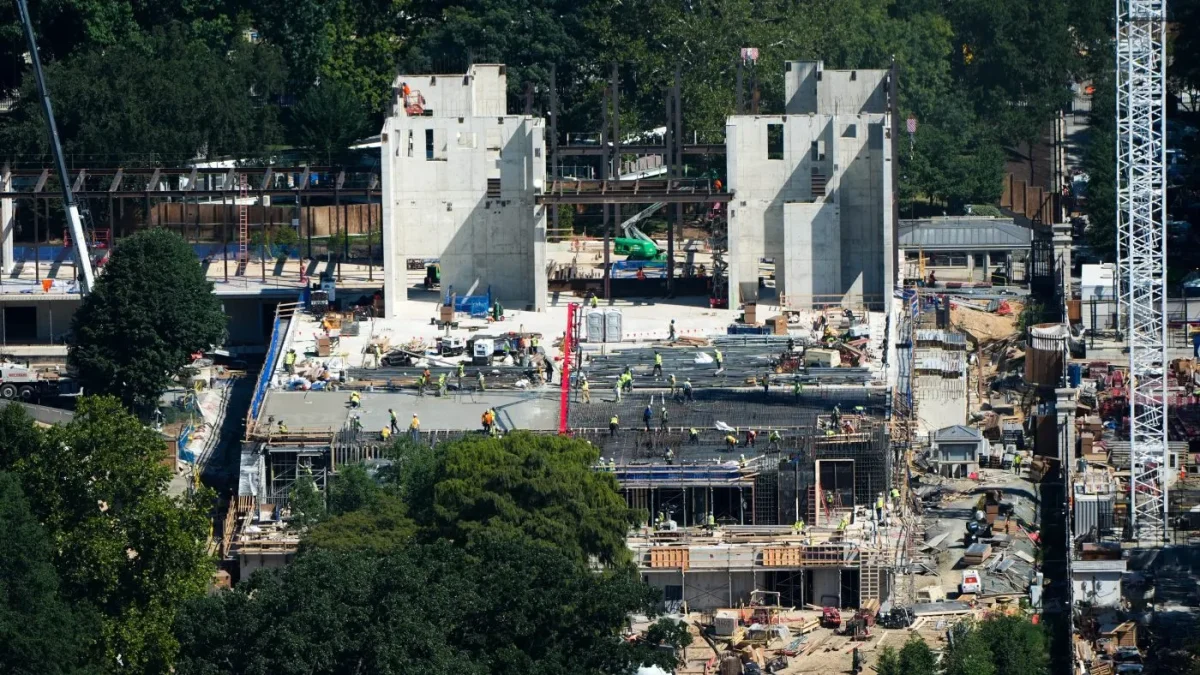
Table of Contents
White House Ballroom Work Resumes as Trump Declares Project Ahead of Schedule
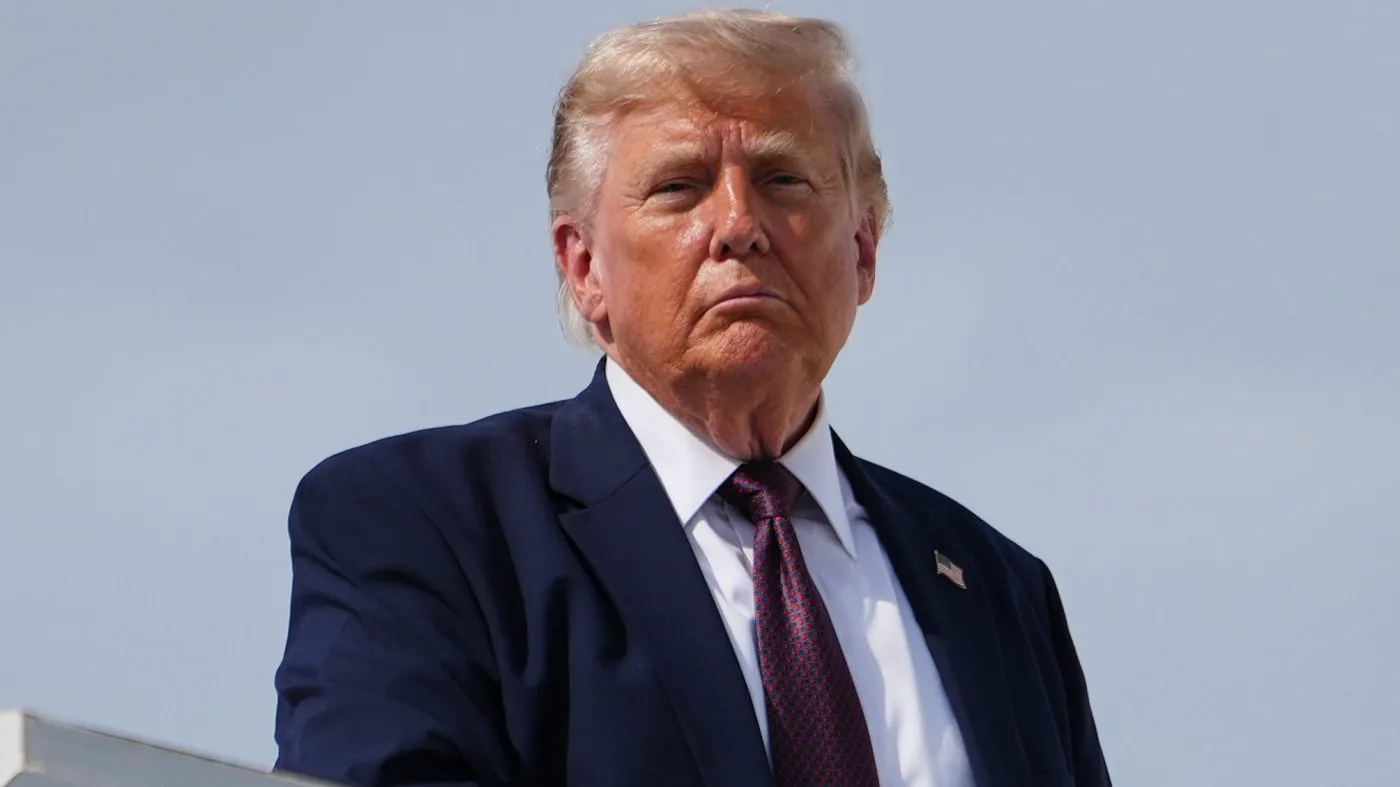
Provpnadvice.com – Construction crews returned to the White House ballroom site on Saturday morning, just one day after the Supreme Court issued a temporary order allowing above-ground work to proceed. President Donald Trump seized the moment to broadcast what he described as remarkable progress on the sprawling development, posting a photograph of the active construction zone alongside a celebratory message on his Truth Social platform.
“Tremendous work has been done on the magnificent BALLROOM/MILITARY COMPLEX being built on the grounds of the White House!”
The president’s post arrived amid an ongoing legal battle over whether the project can continue at all, and it reinforced claims he has made repeatedly since breaking ground: that the endeavor is finishing early and coming in below its original cost estimate.
The Funding Question at the Center of the Storm
For months, the ballroom initiative has drawn intense public and congressional scrutiny over a single question: who is actually paying for it. Early in the project’s planning phase, Trump told reporters that private donors would shoulder the entire financial burden, initially pegging the price tag at roughly $400 million. That figure subsequently climbed to approximately $600 million, according to internal records later examined by The Washington Post.
Contractor documentation dating to March 2025 revealed a more complicated financial architecture. Officials had earmarked only about $293 million from private contributions. The remaining balance was slated to be assembled from taxpayer-funded appropriations already allocated to agencies such as the U.S. Secret Service and the White House Military Office — money Congress had directed toward those bodies’ own operational missions.
That discrepancy between the president’s public framing and the internal budgetary planning became a focal point of the litigation now winding through the federal courts. Critics argued that repurposing congressionally appropriated funds for a presidential pet project, without explicit legislative authorization, stretched the boundaries of executive spending authority.
Roberts’ Temporary Stay and What It Means
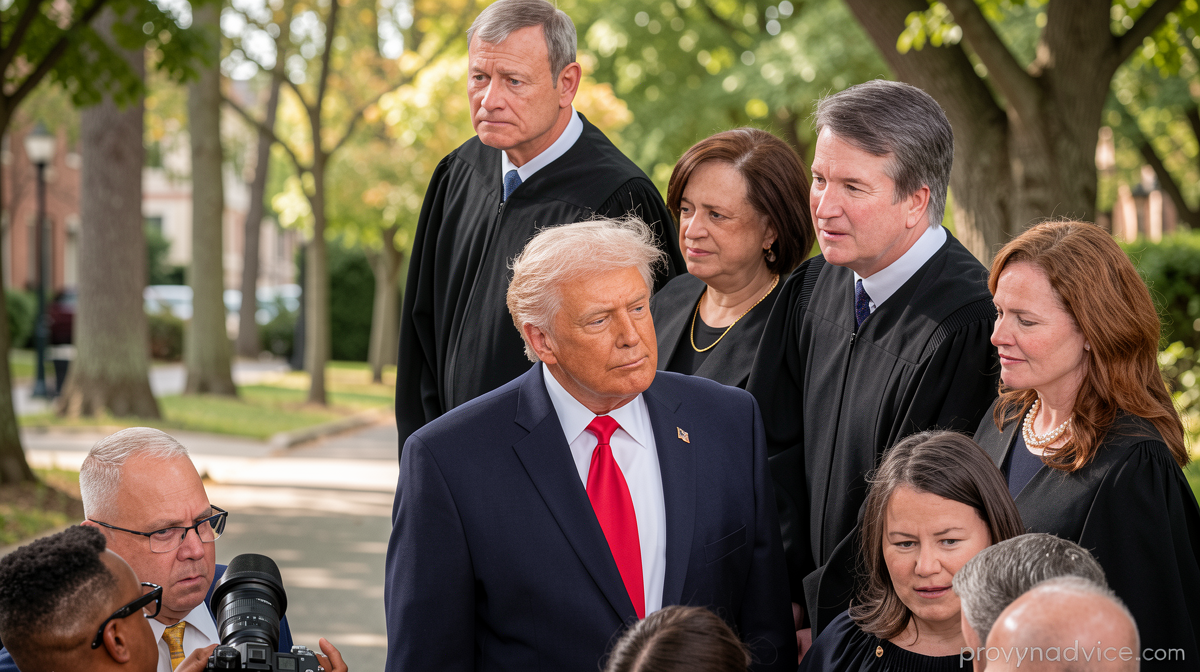
On Friday, Chief Justice John Roberts issued an order permitting the administration to temporarily resume construction while the Supreme Court weighs the government’s emergency appeal. The ruling effectively paused a lower-court injunction that had ordered a halt to all above-ground work on the ballroom complex.
Importantly, the stay does not resolve the underlying merits question. It buys the high court additional time to evaluate whether the administration’s use of appropriated funds complies with statutory and constitutional constraints. A final determination on the project’s legality remains pending, and lower-court proceedings could resume once the justices complete their review.
The practical effect, however, was immediate: crews were cleared to return to the site within hours, and the president’s Saturday post made clear he intended to frame the resumption as validation of his administration’s priorities.
Trump’s Claims of Fiscal Discipline
In the same Truth Social message, the president reiterated that the ballroom was both “under budget” and “ahead of schedule.” He went further, asserting with categorical language that no public dollars would touch the project:
“The Ballroom will be paid for with ZERO Dollars of Taxpayer Money. Great American Patriots and Companies are footing the entire bill.”
Those assertions sit in tension with the March contractor records described above, which showed a substantial portion of the cost being absorbed through existing agency budgets. The White House has not publicly detailed how the final funding split will be resolved, and requests for clarification remained unanswered at the time of writing.
Attorney General Blanche Defends the Build
Attorney General Todd Blanche, speaking to Fox News on Friday, expressed what he called “extraordinarily appreciative” gratitude toward Chief Justice Roberts for the stay. He framed the ballroom as answering a decades-long institutional gap on the White House grounds.
“There has been a need for a ballroom and a safe space and a military installation for decades on the White House grounds, and President Trump has delivered on that. And so, we’re going to continue to let the process move forward through the courts, but we’re appreciative we got this stay yesterday and we’re going to keep on building.”
Blanche’s remarks underscored the administration’s strategy: proceed with construction while the judicial process plays out, treating the stay as a green light rather than a temporary reprieve. That posture raises the question of what happens if the Supreme Court ultimately sides with the challengers — whether completed work can be unwound, and who bears the cost of any reversal.
Broader Implications
The ballroom dispute has become a test case for the limits of presidential spending discretion. If the administration prevails, it would establish a precedent that appropriated funds for one agency’s mission can be redirected toward a separate executive-branch project without new congressional action. If the challengers prevail, the ruling could constrain future administrations from similar budgetary repurposing.
Meanwhile, the physical project continues. The ballroom and associated military installation, once completed, will represent the most significant alteration to the White House grounds since the mid-twentieth century. Whether that transformation ultimately withstands judicial review remains the central open question as crews resume their work under the temporary shield of the Roberts order.
Related Reading
Frequently Asked Questions
What is President Trump?
President Trump is the main topic of this guide. The article explains the context, practical details, and next steps readers should understand.
Why does President Trump matter?
President Trump matters because readers are looking for a useful answer, not just a short summary. Good content should match search intent and help them decide what to do next.