Collins asks White House to consider ‘negative impact’ of Canada trade war

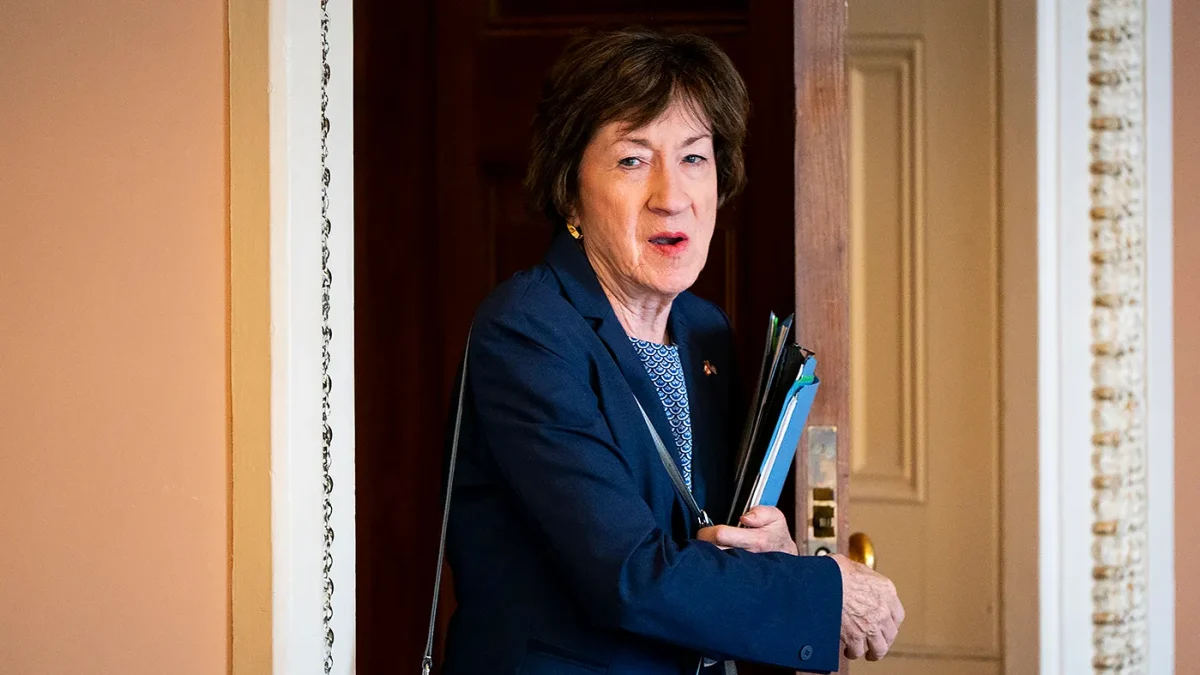
Table of Contents
Collins Asks White House to Consider Cost of Canada Tariff War
Provpnadvice.com – Collins asks White House to consider the negative impact of a tariff confrontation with Canada, according to a statement released Saturday by Sen. Susan Collins (R-Maine). The Maine senator urged both governments to return to the negotiating table after bilateral talks collapsed and Washington imposed a 50 percent levy on more than $20 billion in Canadian imports. Her remarks placed her at odds with a bloc of GOP colleagues who backed the administration’s hardline posture.
Escalating Tariff Conflict and Political Fallout
Republican senators fractured over the episode. After negotiations between Ottawa and Washington broke down, the White House moved to tax over $20 billion in Canadian goods at a 50 percent rate. Ottawa responded swiftly: Prime Minister Mark Carney vowed to match every U.S. tariff dollar for dollar, setting the stage for a tit-for-tat exchange that Collins warned would raise prices for Maine residents and strain lobster fisheries, small manufacturers, and rural supply chains dependent on cross-border trade.
Collins, who has repeatedly criticized administration trade policy, posted on X that she wants both sides back at the negotiating table and called for a fair bilateral agreement. She emphasized that the tariffs would impose higher costs, risk, and uncertainty on Maine businesses already navigating thin domestic supply chains.
“Ever since the tariffs were first announced, I have heard from many businesses, farmers, and lobstermen concerned about the cost of navigating the tariffs, the lack of domestic supply chains, and the likely imposition of retaliatory tariffs by Canada.”
U.S. Trade Representative Jamieson Greer, a Trump appointee, dismissed the collapsed talks as a “missed opportunity” for a partnership with Canada. In a Saturday X post he accused Canadian leaders of prolonged retaliation and argued that Ottawa had enjoyed the most favorable market access of any nation for decades, continuing to receive preferential treatment even after retaliating against Washington.
Other GOP voices sided with Greer. Sen. Bernie Moreno (R-Ohio) posted on social media that “Canada’s economy only exists by stealing American jobs” and added that the new administration no longer sells out American workers. Conservative commentator Hugh Hewitt, speaking on Fox News Saturday morning, called Carney a “smooth talking banker” accused of driving Canada into economic decline.
Ottawa’s retaliatory tariffs are scheduled to take effect September 8. At a Saturday press conference, Carney said further policy details would follow in the coming days and confirmed the measures would cover steel, dairy products, household appliances, agricultural equipment, pulp and paper, and electronics. Collins asks White House to consider whether the escalation serves American consumers or merely deepens uncertainty for border-state economies.
Frequently Asked Questions
What exactly did Sen. Collins ask the White House to do?
Collins asks White House to consider the negative impact of the Canada tariff war on American consumers and Maine-based industries. She urged both governments to resume negotiations and reach a fair bilateral agreement rather than allow retaliatory cycles to compound costs for farmers, lobstermen, and small manufacturers.
When do Canada’s retaliatory tariffs begin, and what sectors are affected?
Ottawa’s matching tariffs are set to start September 8. Prime Minister Carney confirmed the measures will apply to steel, dairy products, household appliances, agricultural equipment, pulp and paper, and electronics, with additional policy details expected in the days following his Saturday press conference.
How did other Republican senators and commentators respond to the trade breakdown?
Most GOP colleagues backed the administration’s hardline posture. Sen. Bernie Moreno praised the new trade stance on social media, while Trade Representative Jamieson Greer labeled the collapsed deal a missed opportunity. Conservative radio host Hugh Hewitt blamed Canadian leadership for the deterioration, singling out Carney during a Fox News interview.